Tu Trang T H, Takenoshita Miho, Matsuoka Hirofumi, Watanabe Takeshi, Suga Takayuki, Aota Yuma, Abiko Yoshihiro, Toyofuku Akira
1Department of Psychosomatic Dentistry, Graduate School of Medical and Dental sciences, Tokyo Medical and Dental University, 1-5-45 Yushima, Bunkyo, Tokyo, 113-8549 Japan.
2Division of Disease Control and Molecular Epidemiology, Department of Oral Growth and Development, School of Dentistry, Health Sciences University of Hokkaido, Hokkaido, Japan.
Biopsychosoc Med. 2019 Jan 31;13:1. doi: 10.1186/s13030-019-0142-7. eCollection 2019.
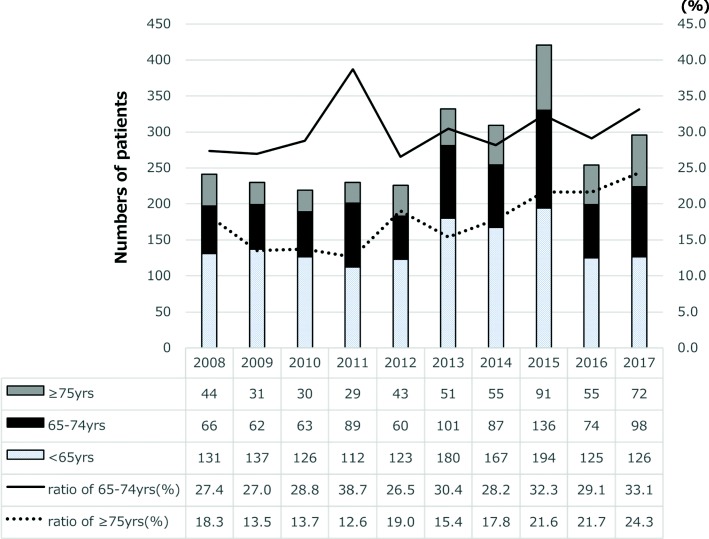
Burning Mouth Syndrome (BMS), a chronic intraoral burning sensation or dysesthesia without clinically evident causes, is one of the most common medically unexplained oral symptoms/syndromes. Even though the clinical features of BMS have been astonishingly common and consistent throughout the world for hundreds of years, BMS remains an enigma and has evolved to more intractable condition. In fact, there is a large and growing number of elderly BMS patients for whom the disease is accompanied by systemic diseases, in addition to aging physical change, which makes the diagnosis and treatment of BMS more difficult. Because the biggest barrier preventing us from finding the core pathophysiology and best therapy for BMS seems to be its heterogeneity, this syndrome remains challenging for clinicians. In this review, we discuss currently hopeful management strategies, including central neuromodulators (Tricyclic Antidepressants - TCAs, Serotonin, and Norepinephrine Reuptake Inhibitors - SNRIs, Selective Serotonin Reuptake Inhibitors - SSRIs, Clonazepam) and solutions for applying non-pharmacology approaches. Moreover, we also emphasize the important role of patient education and anxiety management to improve the patients' quality of life. A combination of optimized medication with a short-term supportive psychotherapeutic approach might be a useful solution.
灼口综合征(BMS)是一种无明显临床病因的慢性口腔内烧灼感或感觉异常,是最常见的医学上无法解释的口腔症状/综合征之一。尽管数百年来BMS的临床特征在世界各地都惊人地常见且一致,但它仍然是一个谜,并且已演变成更难治疗的疾病。事实上,除了衰老带来的身体变化外,越来越多的老年BMS患者还伴有全身性疾病,这使得BMS的诊断和治疗更加困难。由于阻碍我们找到BMS核心病理生理学和最佳治疗方法的最大障碍似乎是其异质性,因此该综合征对临床医生来说仍然具有挑战性。在这篇综述中,我们讨论了目前有希望的管理策略,包括中枢神经调节剂(三环类抗抑郁药 - TCAs、5-羟色胺和去甲肾上腺素再摄取抑制剂 - SNRIs、选择性5-羟色胺再摄取抑制剂 - SSRIs、氯硝西泮)以及应用非药物方法的解决方案。此外,我们还强调了患者教育和焦虑管理对改善患者生活质量的重要作用。优化药物治疗与短期支持性心理治疗方法相结合可能是一个有效的解决方案。