Skirball Institute of Biomolecular Medicine, New York University School of Medicine, New York, United States.
Elife. 2019 Feb 8;8:e43125. doi: 10.7554/eLife.43125.
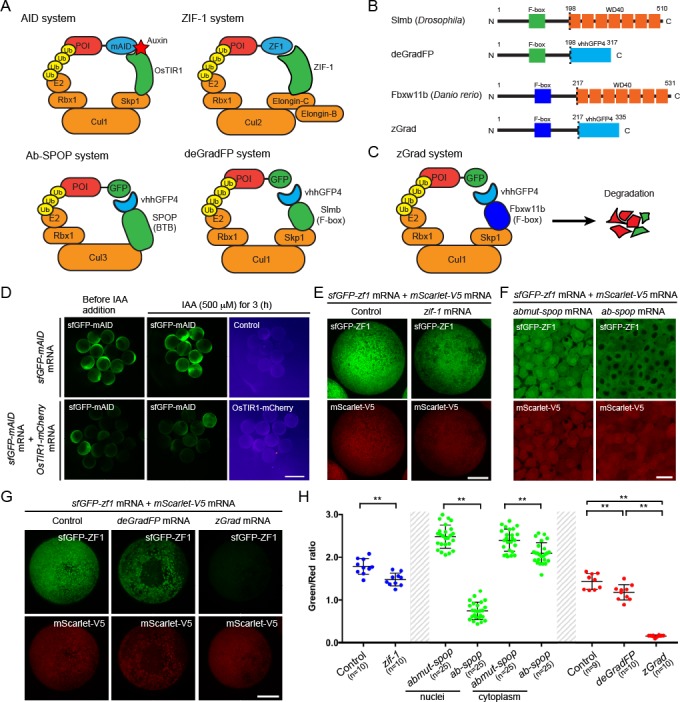
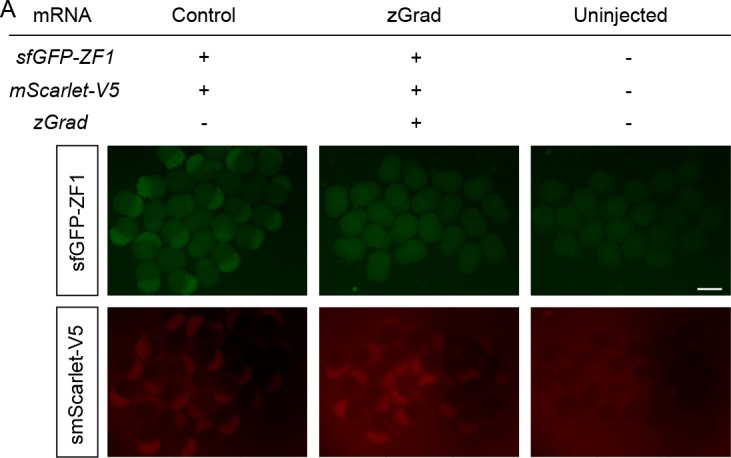
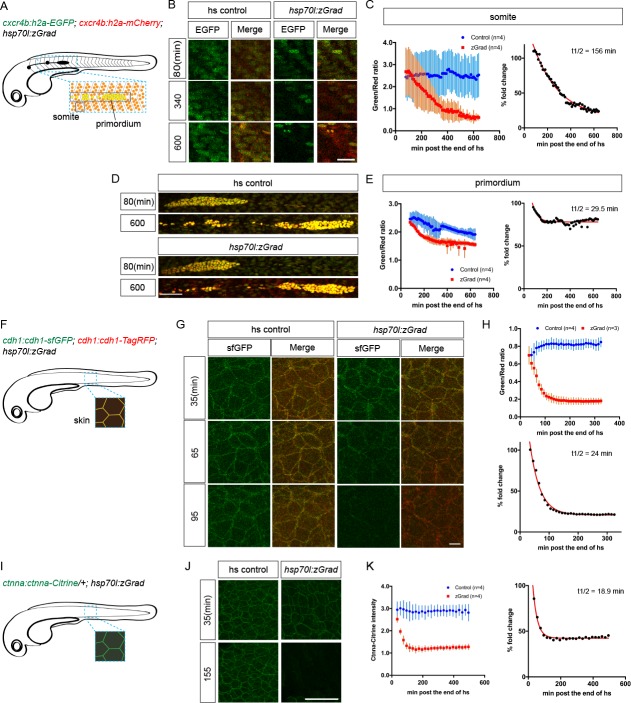
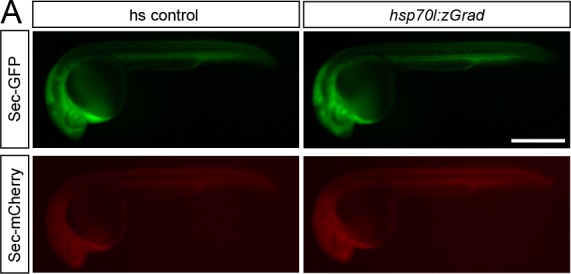
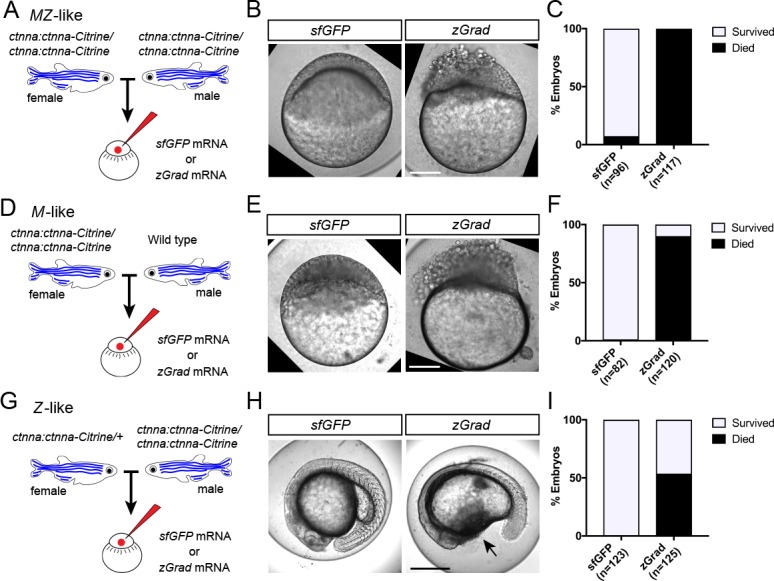
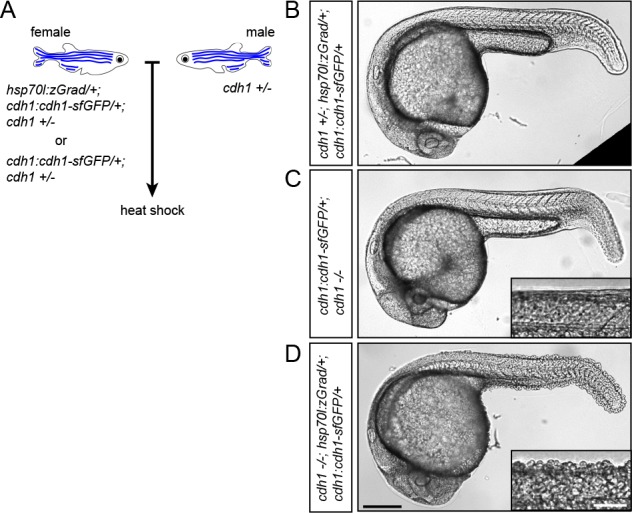
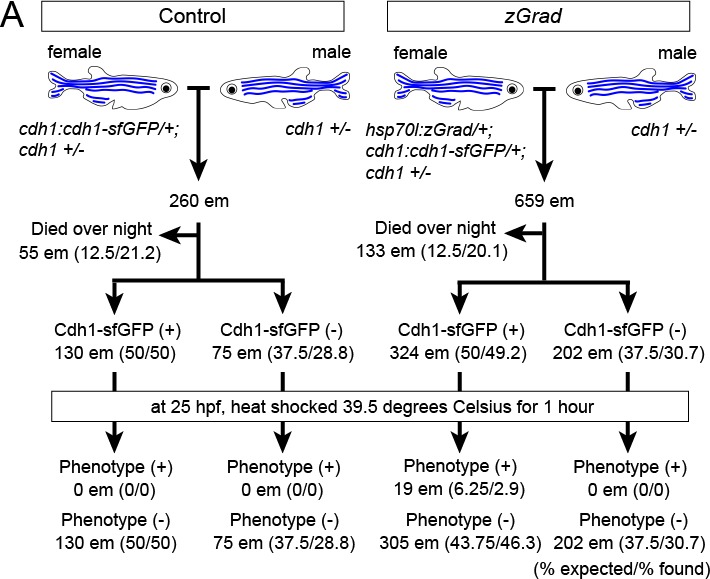
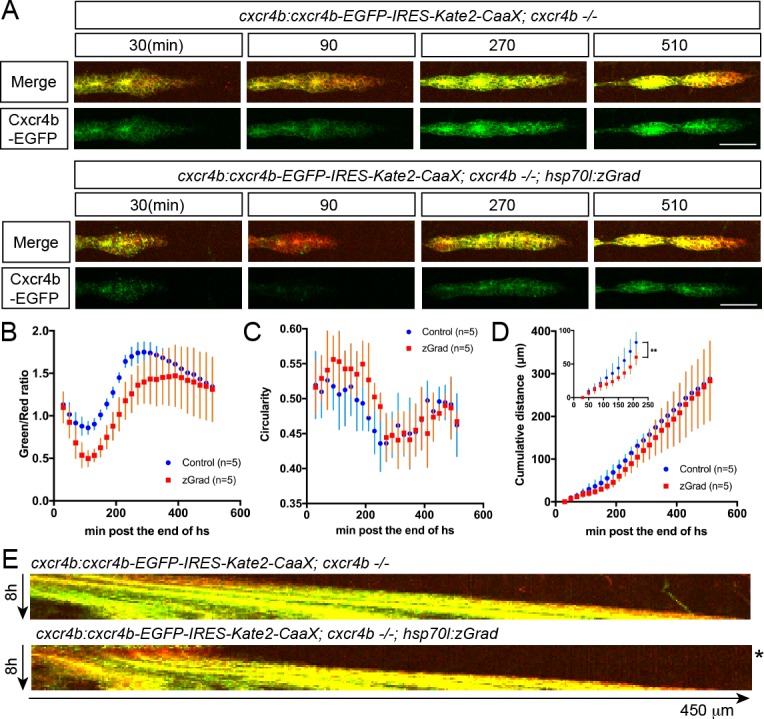
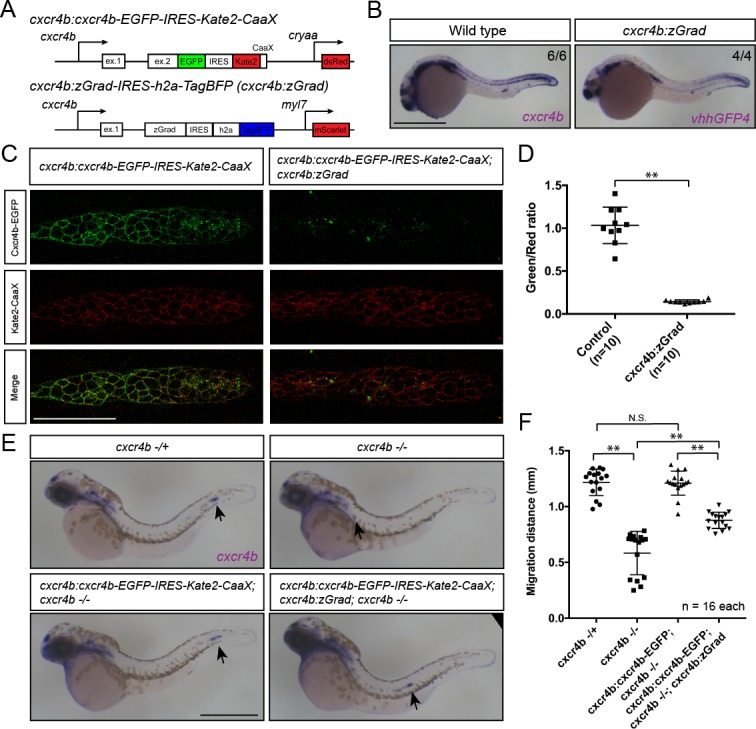
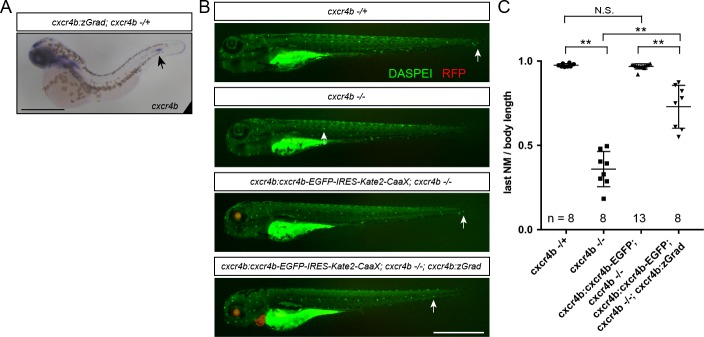
The analysis of protein function is essential to modern biology. While protein function has mostly been studied through gene or RNA interference, more recent approaches to degrade proteins directly have been developed. Here, we adapted the anti-GFP nanobody-based system deGradFP from flies to zebrafish. We named this system zGrad and show that zGrad efficiently degrades transmembrane, cytosolic and nuclear GFP-tagged proteins in zebrafish in an inducible and reversible manner. Using tissue-specific and inducible promoters in combination with functional GFP-fusion proteins, we demonstrate that zGrad can inactivate transmembrane and cytosolic proteins globally, locally and temporally with different consequences. Global protein depletion results in phenotypes similar to loss of gene activity, while local and temporal protein inactivation yields more restricted and novel phenotypes. Thus, zGrad is a versatile tool to study the spatial and temporal requirement of proteins in zebrafish.
蛋白质功能分析是现代生物学的基础。虽然蛋白质功能主要通过基因或 RNA 干扰进行研究,但最近已经开发出了更直接的蛋白质降解方法。在这里,我们将基于抗 GFP 纳米抗体的 deGradFP 系统从果蝇中适应到斑马鱼中。我们将这个系统命名为 zGrad,并展示了 zGrad 能够以诱导和可逆的方式有效地降解斑马鱼中跨膜、细胞质和核 GFP 标记的蛋白质。通过使用组织特异性和诱导性启动子与功能性 GFP 融合蛋白相结合,我们证明 zGrad 可以全局、局部和时间特异性地失活跨膜和细胞质蛋白,产生不同的后果。全局蛋白耗竭导致的表型与基因活性丧失相似,而局部和时间特异性的蛋白失活则产生更局限和新颖的表型。因此,zGrad 是研究斑马鱼中蛋白质时空需求的一种多功能工具。