Gambling Research Exchange Ontario, 55 Wyndham St. N., Suite 214A, Guelph, ON, N1H 7T8, Canada.
Department of Recreation and Leisure Studies, University of Waterloo, Waterloo, ON, Canada.
Harm Reduct J. 2019 Feb 8;16(1):12. doi: 10.1186/s12954-018-0265-3.
Harmful gambling is a complex issue with diverse antecedents and resulting harms that have been studied from multiple disciplinary perspectives. Although previous bibliometric reviews of gambling studies have found a dominance of judgement and decision-making research, no bibliometric review has examined the concept of "harm" in the gambling literature, and little work has quantitatively assessed how gambling research priorities differ between countries.
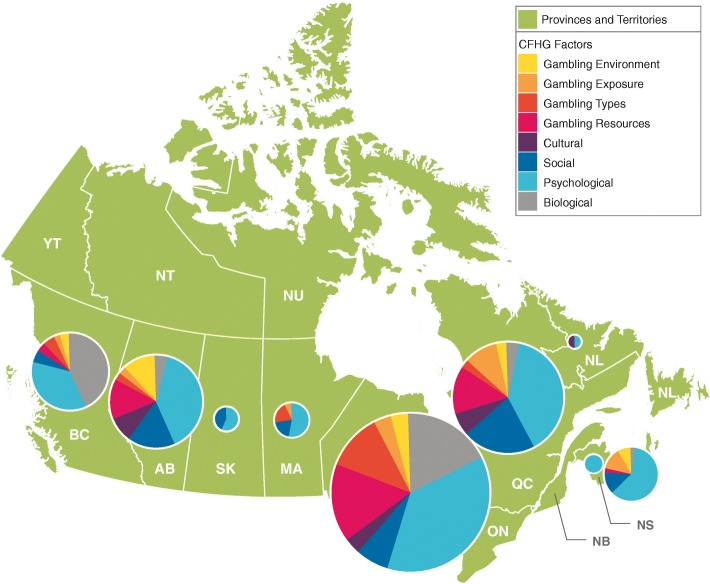
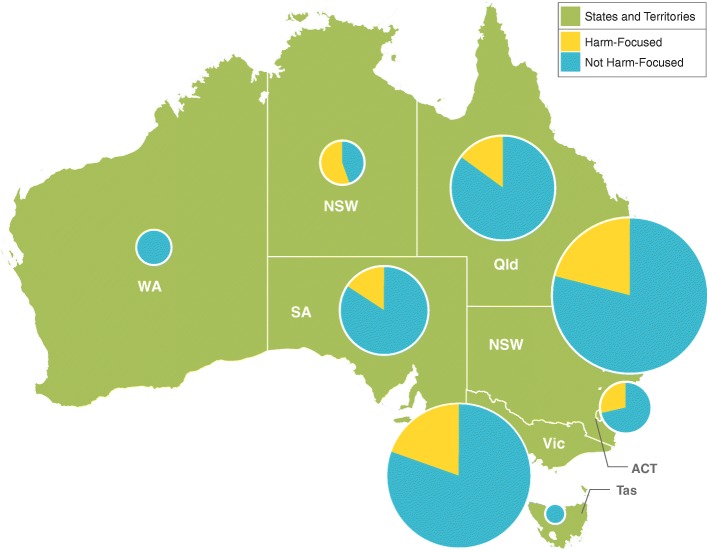
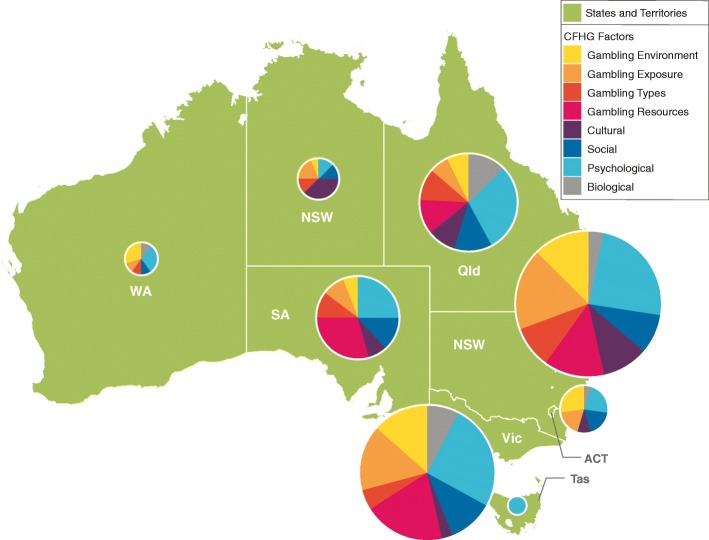
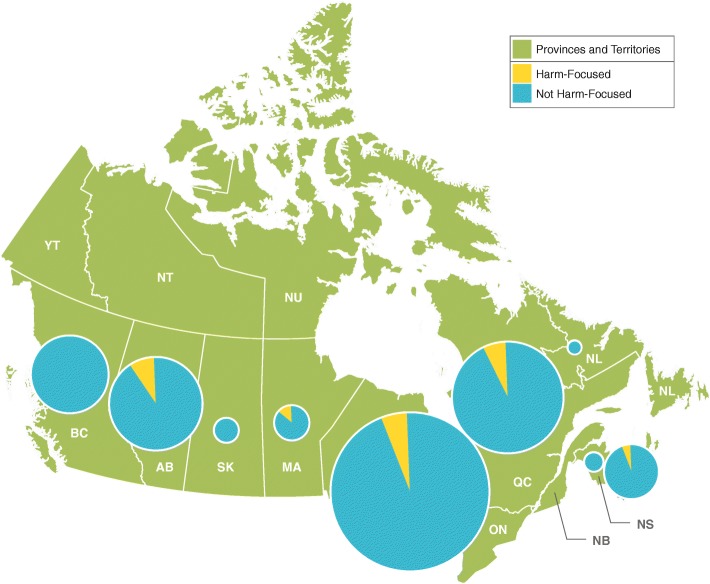
Guided by the Conceptual Framework of Harmful Gambling (CFHG), an internationally relevant framework of antecedents to harmful gambling, we conducted a bibliometric analysis focusing on research outputs from three countries with different gambling regulatory environments: Canada, Australia, and New Zealand. Using a Web of Science database search, 1424 articles published from 2008 to 2017 were retrieved that could be mapped to the eight CFHG factors. A subsample of articles (n = 171) containing the word "harm" in the title, abstract, or keywords was then drawn. Descriptive statistics were used to examine differences between countries and trends over time with regard to CFHG factor and harm focus.
Psychological and biological factors dominate gambling research in Canada whereas resources and treatment have received more attention in New Zealand. A greater percentage of Australia and New Zealand publications address the gambling environment and exposure to gambling than in Canada. The subset of articles focused on harm showed a stronger harms focus among New Zealand and Australian researchers compared to Canadian-authored publications.
The findings provide preliminary bibliometric evidence that gambling research foci may be shaped by jurisdictional regulation of gambling. Countries with privately operated gambling focused on harm factors that are the operators' responsibility, whereas jurisdictions with a public health model focused on treatment and harm reduction resources. In the absence of a legislated requirement for public health or harm minimisation focus, researchers in jurisdictions with government-operated gambling tend to focus research on factors that are the individual's responsibility and less on the harms they experience. Given increased international attention to gambling-related harm, regulatory and research environments could promote and support more diverse research in this area.
有害赌博是一个复杂的问题,其根源和后果涉及多个学科领域。尽管之前对赌博研究的文献计量学综述发现,判断和决策研究占据主导地位,但没有文献计量学综述考察过赌博文献中的“伤害”概念,也很少有研究从定量角度评估不同国家的赌博研究重点有何不同。
本研究以有害赌博的概念框架(CFHG)为指导,该框架是一个与国际相关的赌博有害性的前置因素框架,我们进行了一项文献计量分析,重点关注具有不同赌博监管环境的三个国家(加拿大、澳大利亚和新西兰)的研究成果。我们使用 Web of Science 数据库搜索,检索到 2008 年至 2017 年发表的 1424 篇可映射到 CFGH 八个因素的文章。然后从标题、摘要或关键词中包含“伤害”一词的文章中抽取了一个子样本(n=171)。我们使用描述性统计方法来考察不同国家之间的差异以及随着时间的推移在 CFGH 因素和伤害重点方面的趋势。
在加拿大,心理和生物因素在赌博研究中占主导地位,而资源和治疗在新西兰受到更多关注。与加拿大相比,澳大利亚和新西兰的出版物中,有更多的出版物涉及赌博环境和接触赌博的问题。关注伤害的文章子集显示,与加拿大出版物相比,新西兰和澳大利亚研究人员对伤害的关注更为强烈。
研究结果初步提供了文献计量学证据,表明赌博研究重点可能受到赌博监管的司法管辖的影响。私人经营赌博的国家侧重于运营商负责的伤害因素,而具有公共卫生模式的司法管辖区则侧重于治疗和减少伤害资源。在没有立法要求关注公共卫生或伤害最小化的情况下,政府经营赌博的司法管辖区的研究人员倾向于将研究重点放在个人责任范围内的因素上,而对他们所经历的伤害关注较少。鉴于国际上对与赌博相关的伤害问题的关注度不断提高,监管和研究环境可以促进和支持这一领域更广泛的研究。