Center for Vaccine Research, Department of Immunology, University of Pittsburgh, Pittsburgh, PA United States of America.
PLoS Pathog. 2019 Feb 11;15(2):e1007584. doi: 10.1371/journal.ppat.1007584. eCollection 2019 Feb.
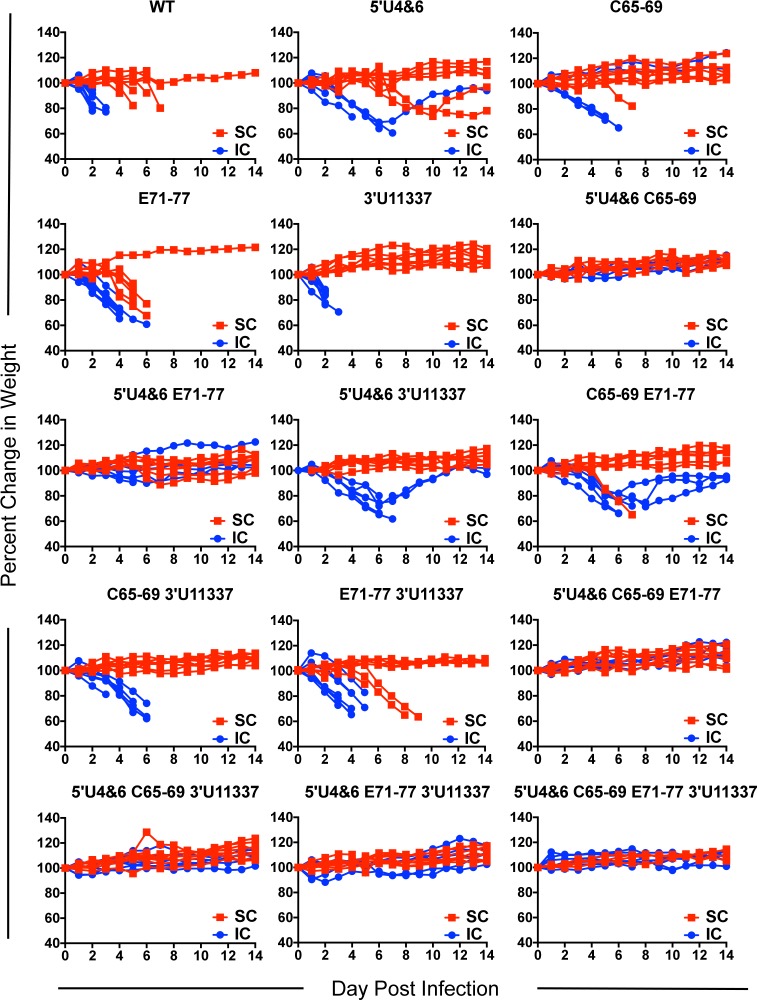
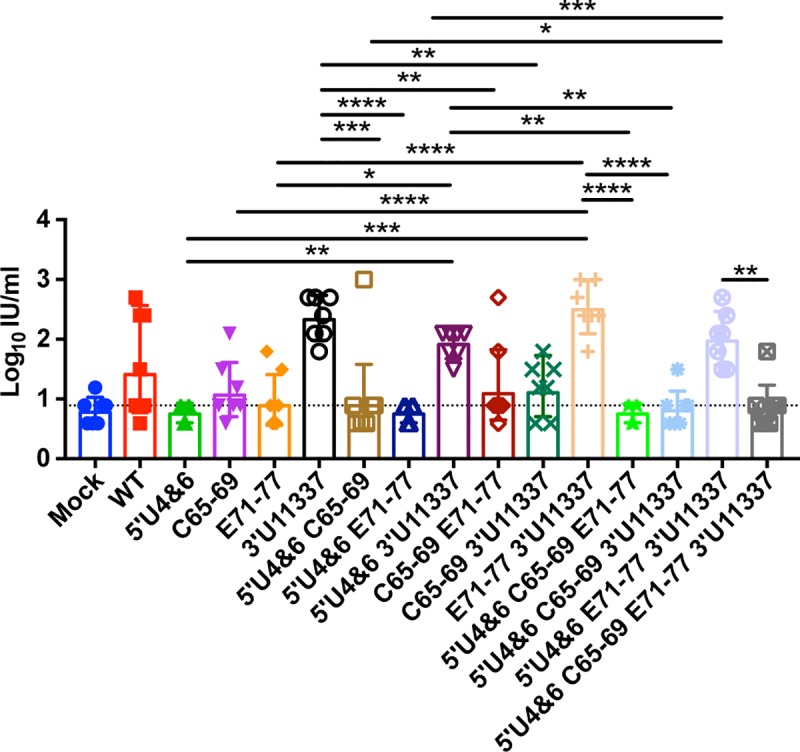
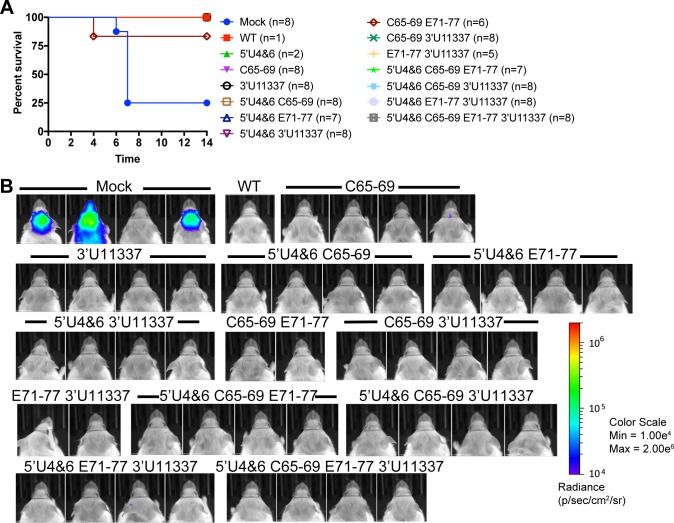
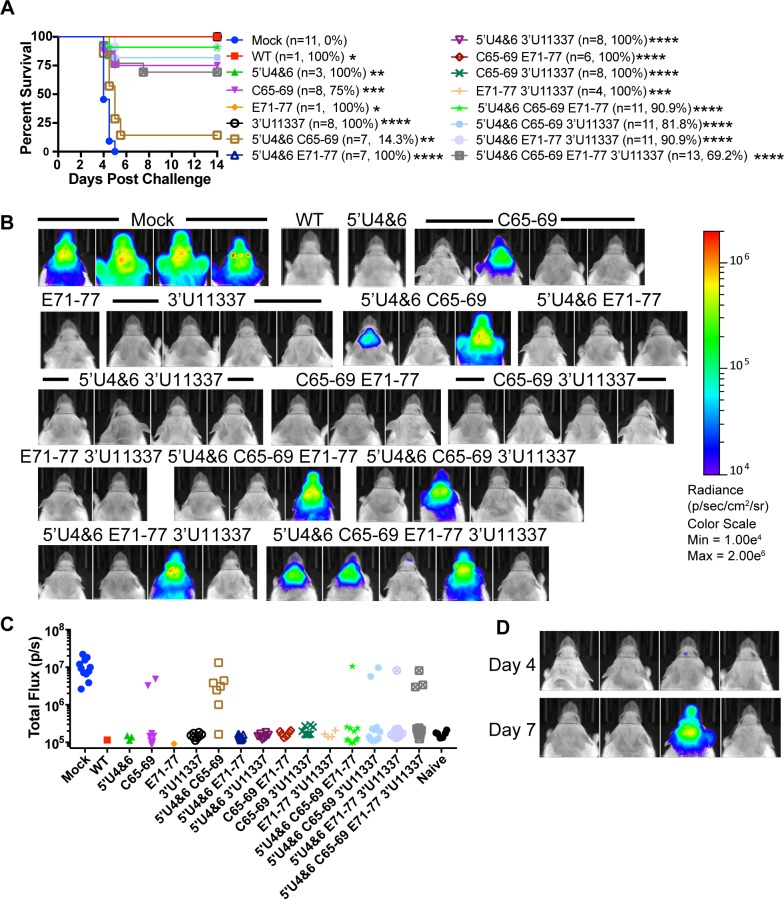
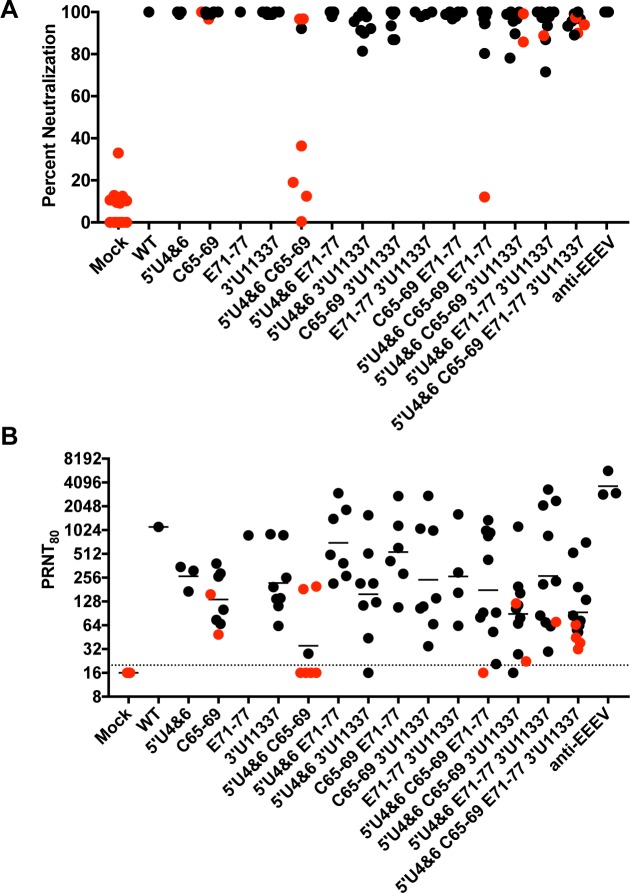
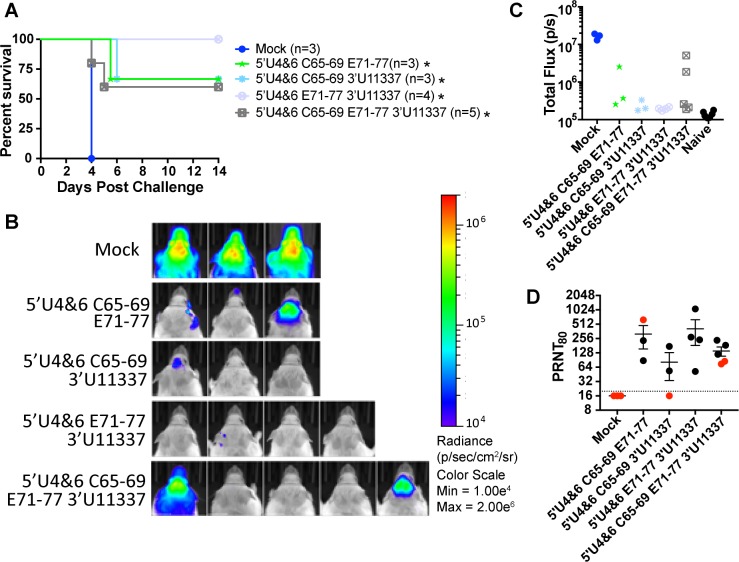
Live attenuated vaccines (LAVs), if sufficiently safe, provide the most potent and durable anti-pathogen responses in vaccinees with single immunizations commonly yielding lifelong immunity. Historically, viral LAVs were derived by blind passage of virulent strains in cultured cells resulting in adaptation to culture and a loss of fitness and disease-causing potential in vivo. Mutations associated with these phenomena have been identified but rarely have specific attenuation mechanisms been ascribed, thereby limiting understanding of the attenuating characteristics of the LAV strain and applicability of the attenuation mechanism to other vaccines. Furthermore, the attenuated phenotype is often associated with single nucleotide changes in the viral genome, which can easily revert to the virulent sequence during replication in animals. Here, we have used a rational approach to attenuation of eastern equine encephalitis virus (EEEV), a mosquito-transmitted alphavirus that is among the most acutely human-virulent viruses endemic to North America and has potential for use as an aerosolized bioweapon. Currently, there is no licensed antiviral therapy or vaccine for this virus. Four virulence loci in the EEEV genome were identified and were mutated individually and in combination to abrogate virulence and to resist reversion. The resultant viruses were tested for virulence in mice to examine the degree of attenuation and efficacy was tested by subcutaneous or aerosol challenge with wild type EEEV. Importantly, all viruses containing three or more mutations were avirulent after intracerebral infection of mice, indicating a very high degree of attenuation. All vaccines protected from subcutaneous EEEV challenge while a single vaccine with three mutations provided reproducible, near-complete protection against aerosol challenge. These results suggest that informed mutation of virulence determinants is a productive strategy for production of LAVs even with highly virulent viruses such as EEEV. Furthermore, these results can be directly applied to mutation of analogous virulence loci to create LAVs from other viruses.
活疫苗(LAVs)如果足够安全,可以在接种者中提供最有效和持久的抗病原体反应,单次免疫通常会产生终身免疫力。历史上,病毒 LAVs 是通过在培养细胞中盲目传代毒力株产生的,导致适应培养并在体内丧失适应性和致病潜力。与这些现象相关的突变已被鉴定,但很少有特定的衰减机制被归因,从而限制了对 LAV 株衰减特征的理解和衰减机制在其他疫苗中的应用。此外,衰减表型通常与病毒基因组中的单个核苷酸变化相关,这些变化在动物体内复制时很容易恢复为毒力序列。在这里,我们使用一种合理的方法来衰减东部马脑炎病毒(EEEV),一种由蚊子传播的甲病毒,是北美地方性最急性人类致病病毒之一,并有潜力作为气溶胶化生物武器使用。目前,没有针对该病毒的许可抗病毒治疗或疫苗。在 EEEV 基因组中鉴定了四个毒力基因座,并分别突变和组合突变以消除毒力并抵抗回复突变。然后测试这些病毒在小鼠中的毒力,以检查其衰减程度,并通过皮下或气溶胶挑战用野生型 EEEV 测试其功效。重要的是,含有三个或更多突变的所有病毒在经脑内感染小鼠后均无毒性,表明其衰减程度非常高。所有疫苗均能预防皮下 EEEV 挑战,而含有三个突变的单一疫苗能提供可重复的、几乎完全的气溶胶挑战保护。这些结果表明,即使对于像 EEEV 这样的高毒力病毒,明智地突变毒力决定因素也是生产 LAVs 的一种富有成效的策略。此外,这些结果可以直接应用于类似毒力基因座的突变,从而从其他病毒中创建 LAVs。