Vancouver Prostate Centre and Department of Urologic Sciences, University of British Columbia, Vancouver, BC V6H 3Z6, Canada.
Int J Mol Sci. 2019 Feb 12;20(3):774. doi: 10.3390/ijms20030774.
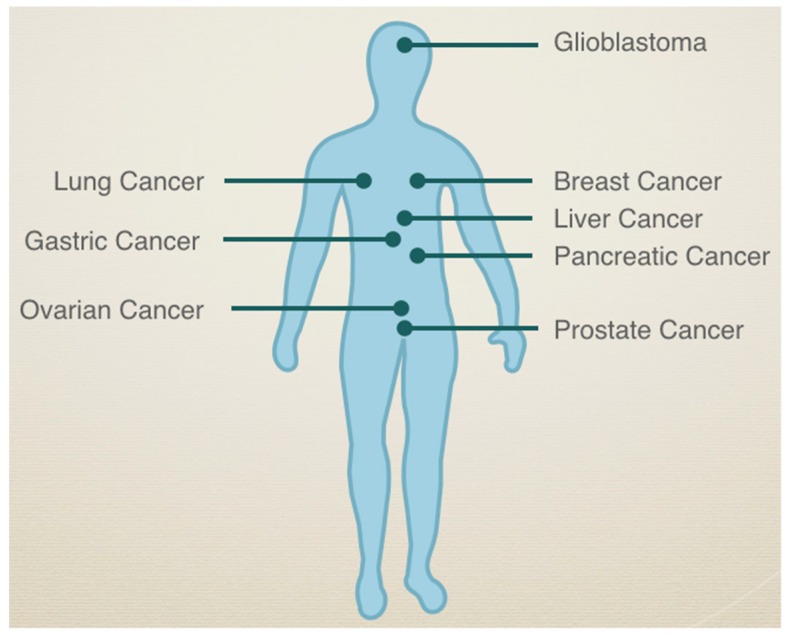
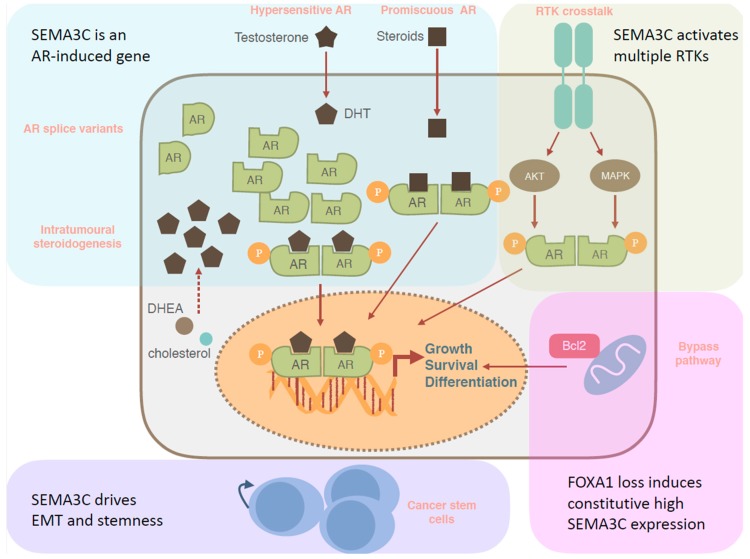
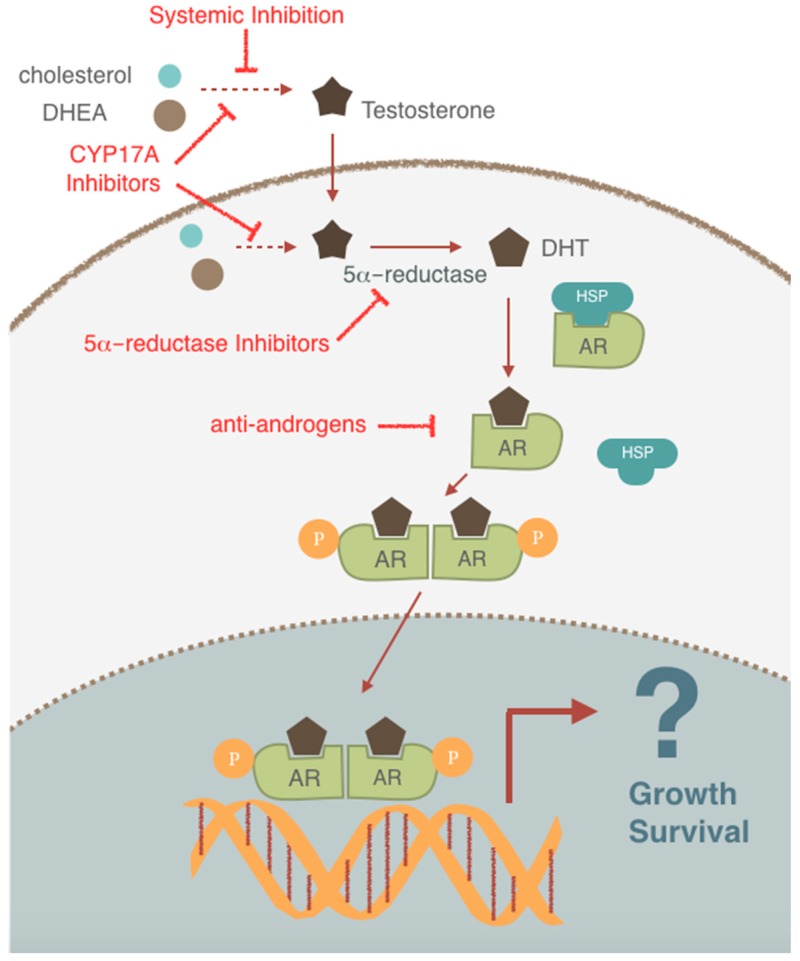
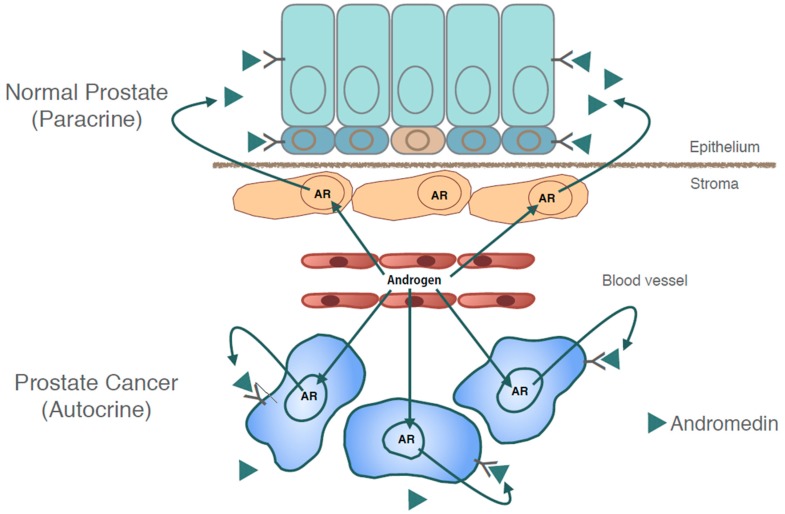
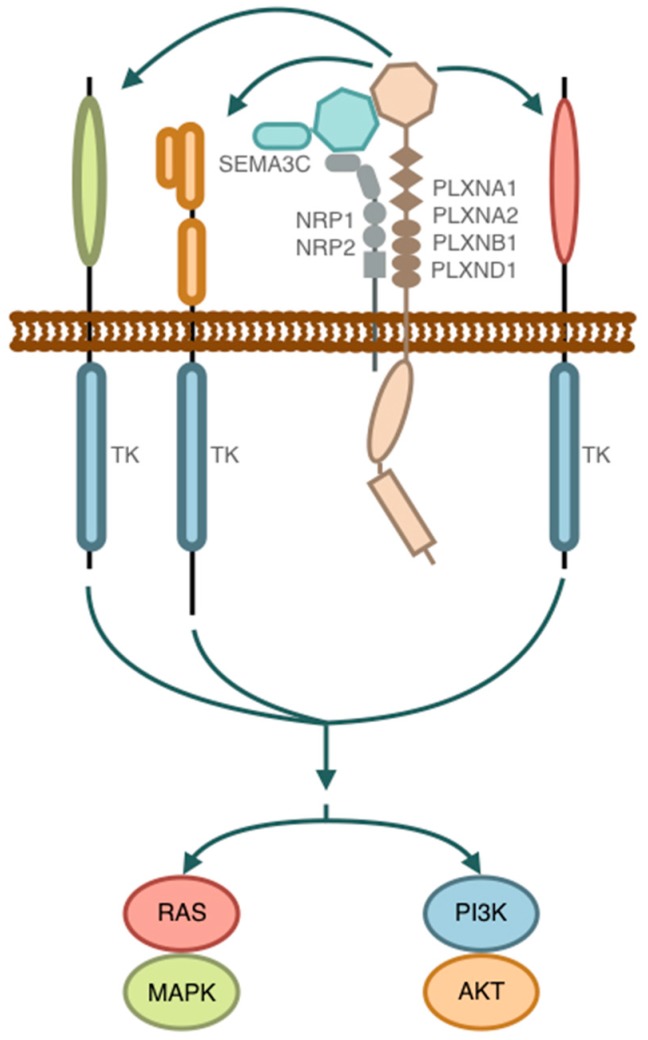
The semaphorins represent a large family of signaling molecules with crucial roles in neuronal and cardiac development. While normal semaphorin function pertains largely to development, their involvement in malignancy is becoming increasingly evident. One member, Semaphorin 3C (SEMA3C), has been shown to drive a number of oncogenic programs, correlate inversely with cancer prognosis, and promote the progression of multiple different cancer types. This report surveys the body of knowledge surrounding SEMA3C as a therapeutic target in cancer. In particular, we summarize SEMA3C's role as an autocrine andromedin in prostate cancer growth and survival and provide an overview of other cancer types that SEMA3C has been implicated in including pancreas, brain, breast, and stomach. We also propose molecular strategies that could potentially be deployed against SEMA3C as anticancer agents such as biologics, small molecules, monoclonal antibodies and antisense oligonucleotides. Finally, we discuss important considerations for the inhibition of SEMA3C as a cancer therapeutic agent.
信号蛋白家族在神经元和心脏发育中具有关键作用。虽然信号蛋白的正常功能主要与发育有关,但它们在恶性肿瘤中的作用正变得越来越明显。其中一个成员,信号蛋白 3C(SEMA3C),已被证明能驱动多种致癌程序,与癌症预后呈负相关,并促进多种不同癌症类型的进展。本报告综述了 SEMA3C 作为癌症治疗靶点的相关知识。特别是,我们总结了 SEMA3C 作为前列腺癌生长和存活的自分泌神经调节蛋白的作用,并概述了 SEMA3C 涉及的其他癌症类型,包括胰腺、脑、乳腺和胃。我们还提出了一些可能针对 SEMA3C 的分子策略,作为抗癌药物,如生物制剂、小分子、单克隆抗体和反义寡核苷酸。最后,我们讨论了抑制 SEMA3C 作为癌症治疗剂的重要考虑因素。