Ruszkai Zoltán, Kiss Erika, Molnár Zsolt
Department of Anaesthesiology and Intensive Therapy, Péterfy Sándor Hospital, Budapest, Hungary.
University of Szeged, Department of Anaesthesiology and Intensive Therapy, Szeged, Hungary.
J Crit Care Med (Targu Mures). 2019 Feb 4;5(1):19-27. doi: 10.2478/jccm-2019-0002. eCollection 2019 Jan.
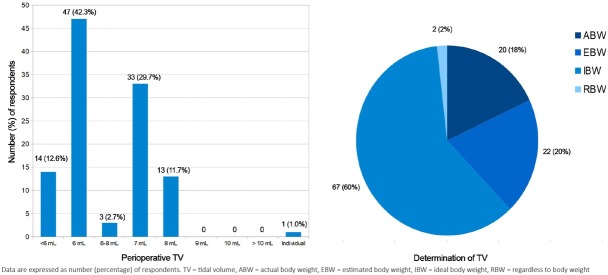
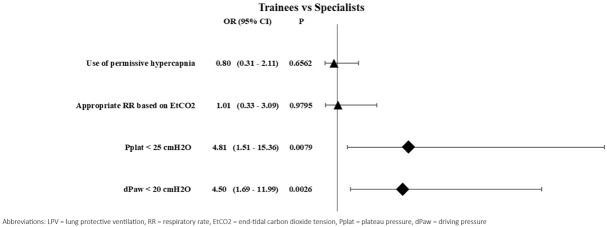
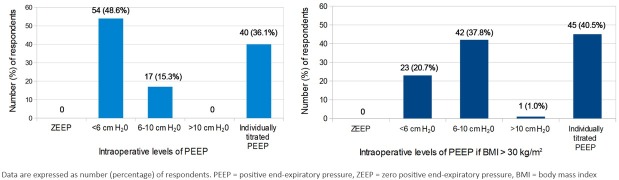
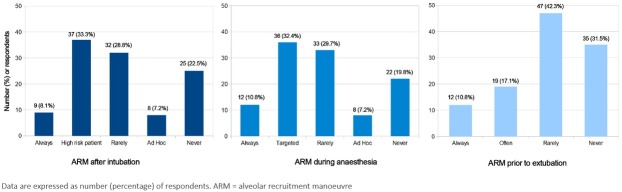
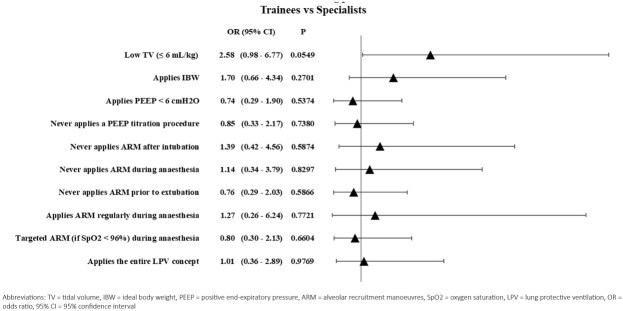
Lung protective mechanical ventilation (LPV) even in patients with healthy lungs is associated with a lower incidence of postoperative pulmonary complications (PPC). The pathophysiology of ventilator-induced lung injury and the risk factors of PPCs have been widely identified, and a perioperative lung protective concept has been elaborated. Despite the well-known advantages, results of recent studies indicated that intraoperative LPV is still not widely implemented in current anaesthesia practice. No nationwide surveys regarding perioperative pulmonary protective management have been carried out previously in Hungary. This study aimed to evaluate the routine anaesthetic care and adherence to the LPV concept of Hungarian anaesthesiologists during major abdominal surgery. A questionnaire of 36 questions was prepared, and anaesthesiologists were invited by an e-mail and a newsletter to participate in an online survey between January 1st to March 31st, 2018. A total of one hundred and eleven anaesthesiologists participated in the survey; 61 (54.9%), applied low tidal volumes, 30 (27%) applied the entire LPV concept, and only 6 (5.4%) regularly applied alveolar recruitment manoeuvres (ARM). Application of low plateau and driving pressures were 40.5%. Authoritatively written protocols were not available resulting in markedly different perioperative pulmonary management. According to respondents, the most critical risk factors of PPCs are chronic obstructive pulmonary diseases (103; 92.8%); in contrast malnutrition, anaemia or prolonged use of nasogastric tube were considered negligible risk factors. Positive end-expiratory pressure (PEEP) and regular ARM are usually ignored. Based on the survey, more attention should be given to the use of LPV.
即使是肺部健康的患者,采用肺保护性机械通气(LPV)也与较低的术后肺部并发症(PPC)发生率相关。呼吸机诱发肺损伤的病理生理学以及PPC的危险因素已得到广泛确认,并且已经阐述了围手术期肺保护理念。尽管有这些众所周知的优点,但最近的研究结果表明,术中LPV在当前麻醉实践中仍未得到广泛应用。匈牙利此前尚未开展过关于围手术期肺部保护管理的全国性调查。本研究旨在评估匈牙利麻醉医生在腹部大手术期间的常规麻醉护理以及对LPV理念的遵循情况。编制了一份包含36个问题的问卷,并于2018年1月1日至3月31日通过电子邮件和时事通讯邀请麻醉医生参与在线调查。共有111名麻醉医生参与了调查;61名(54.9%)采用低潮气量,30名(27%)采用了整个LPV理念,只有6名(5.4%)定期采用肺泡复张手法(ARM)。低平台压和驱动压的应用率为40.5%。由于没有权威性书面方案,导致围手术期肺部管理存在显著差异。根据受访者的说法,PPC最关键的危险因素是慢性阻塞性肺疾病(103例;92.8%);相比之下,营养不良、贫血或长期使用鼻胃管被认为是可忽略不计的危险因素。呼气末正压(PEEP)和定期ARM通常被忽视。基于该调查,应更加重视LPV的使用。