Institute of Neuroscience, Sir James Spence Institute Level 3, Royal Victoria Infirmary, Newcastle University, Newcastle upon Tyne, NE1 4LP, UK.
Complex Neurodevelopmental Disorders Service, Northumberland Tyne and Wear NHS Foundation Trust, Newcastle upon Tyne, UK.
J Autism Dev Disord. 2019 May;49(5):1912-1927. doi: 10.1007/s10803-018-3861-x.
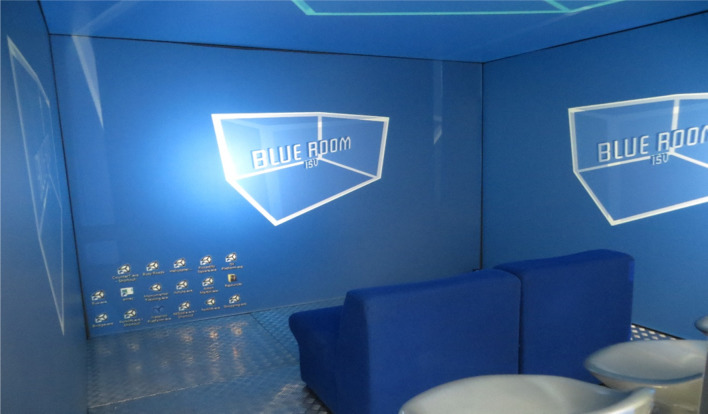
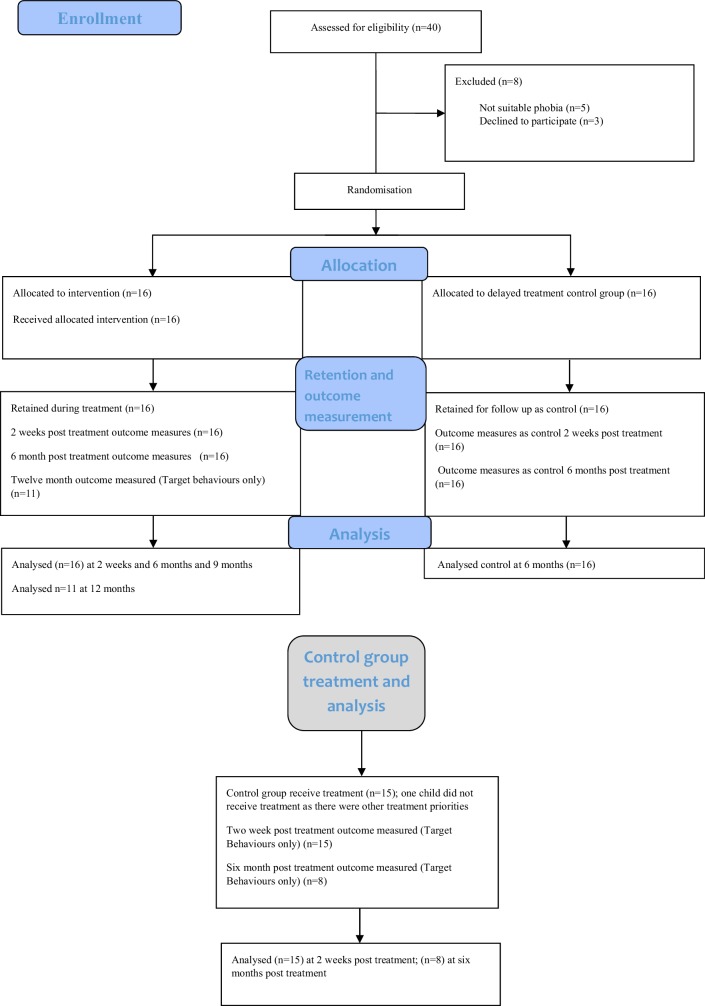
We examined the feasibility and acceptability of using an immersive virtual reality environment (VRE) alongside cognitive behaviour therapy (CBT) for young people with autism experiencing specific phobia. Thirty-two participants were randomised to treatment or control. Treatment involved one session introducing CBT techniques and four VRE sessions, delivered by local clinical therapists. Change in target behaviour was independently rated. Two weeks after treatment, four treatment participants (25%) and no control participants were responders; at 6 months after treatment, six (38%) treatment and no control participants were responders. At 6 months post-treatment, symptoms had worsened for one treatment and five control (untreated) participants. Brief VRE exposure with CBT is feasible and acceptable to deliver through child clinical services and is effective for some participants.
我们考察了在认知行为疗法(CBT)的基础上,结合沉浸式虚拟现实环境(VRE)治疗自闭症青少年特定恐惧症的可行性和可接受性。32 名参与者被随机分配到治疗组或对照组。治疗组包括一次介绍 CBT 技术和四次 VRE 课程,由当地临床治疗师提供。目标行为的变化由独立评估者进行评估。治疗后两周,4 名治疗参与者(25%)和对照组无应答者;治疗后 6 个月,6 名(38%)治疗参与者和对照组无应答者。治疗后 6 个月,1 名治疗参与者和 5 名对照组(未治疗)参与者的症状恶化。通过儿童临床服务进行简短的 VRE 暴露与 CBT 相结合是可行和可接受的,并且对一些参与者有效。