Young Joseph R, Sternbach Sarah, Willinger Max, Hutchinson Ian D, Rosenbaum Andrew J
Albany Medical College Division of Orthopaedic Surgery, Albany, NY, USA,
Orthop Res Rev. 2018 Dec 17;11:1-7. doi: 10.2147/ORR.S154289. eCollection 2019.
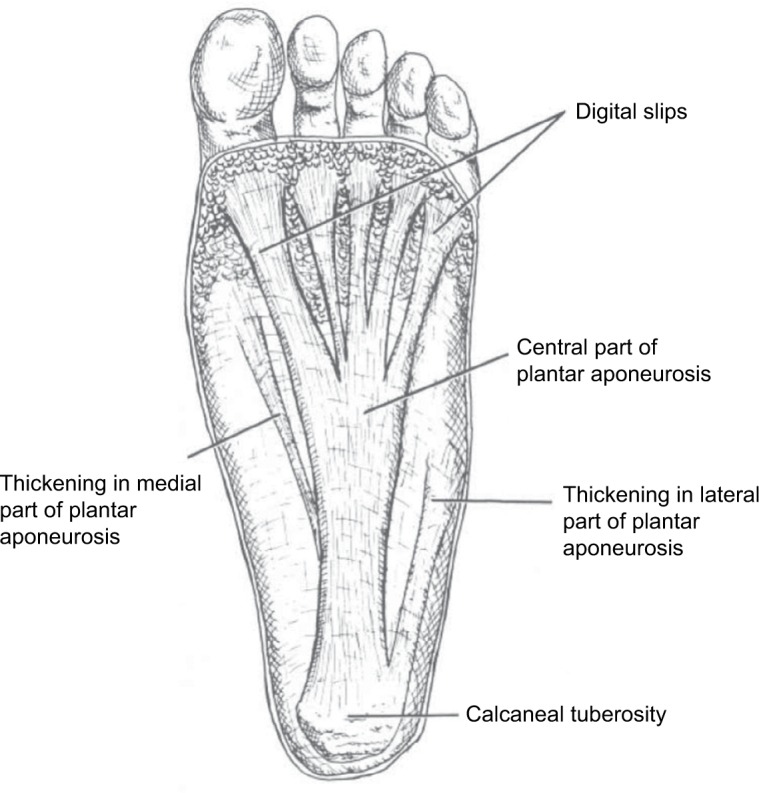
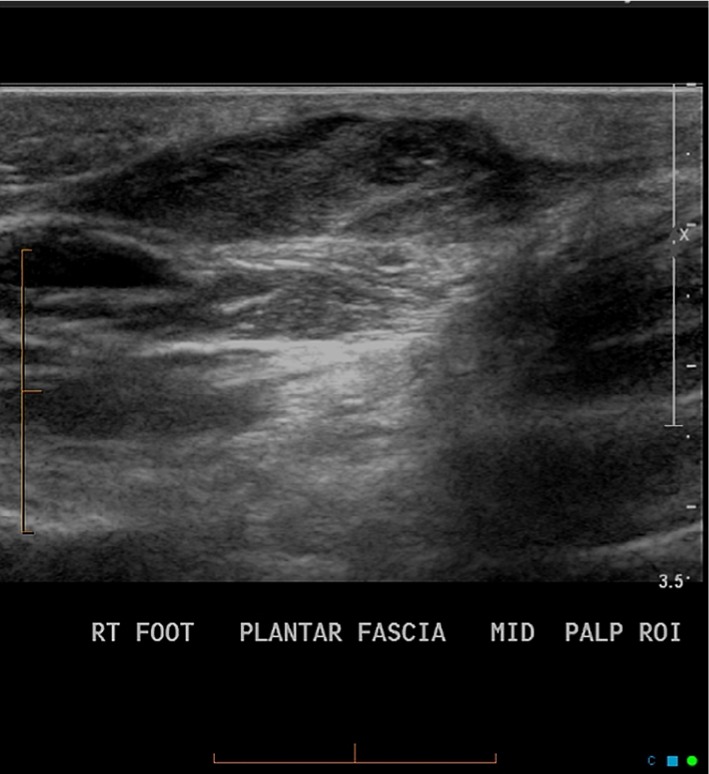
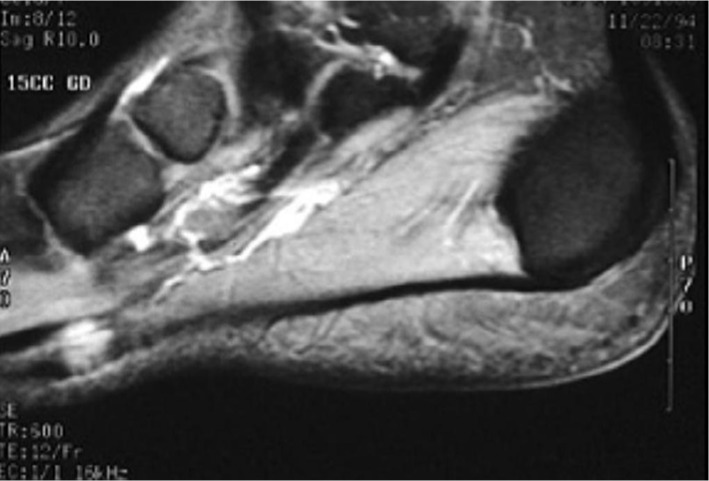
Plantar fibromatosis (Ledderhose disease) is a rare, benign, hyperproliferative fibrous tissue disorder resulting in the formation of nodules along the plantar fascia. This condition can be locally aggressive, and often results in pain, functional disability, and decreased quality of life. Diagnosis is primarily clinical, but MRI and ultrasound are useful confirmatory adjuncts. Given the benign nature of this condition, treatment has historically involved symptomatic management. A multitude of conservative treatment strategies supported by varying levels of evidence have been described mostly in small-scale trials. These therapies include steroid injections, verapamil, radiation therapy, extracorporeal shock wave therapy, tamoxifen, and collagenase. When conservative measures fail, surgical removal of fibromas and adjacent plantar fascia is often done, although recurrence is common. This review aims to provide a broad overview of the clinical features of this disease as well as the current treatment strategies being employed in the management of this condition.
足底纤维瘤病(莱德霍斯病)是一种罕见的良性过度增生性纤维组织疾病,会导致沿足底筋膜形成结节。这种疾病可能具有局部侵袭性,常导致疼痛、功能障碍和生活质量下降。诊断主要依靠临床,但磁共振成像(MRI)和超声是有用的辅助确诊手段。鉴于这种疾病的良性性质,以往的治疗主要是对症处理。大多在小规模试验中描述了多种有不同证据水平支持的保守治疗策略。这些疗法包括类固醇注射、维拉帕米、放射治疗、体外冲击波疗法、他莫昔芬和胶原酶。当保守措施失败时,通常会进行纤维瘤及相邻足底筋膜的手术切除,不过复发很常见。本综述旨在对该疾病的临床特征以及目前用于管理这种疾病的治疗策略进行全面概述。