Agarwal Aakash, Lin Boren, Wang Jeffrey C, Schultz Christian, Garfin Steve R, Goel Vijay K, Anand Neel, Agarwal Anand K
University of Toledo, Toledo, OH, USA.
USC Spine Center, Los Angeles, CA, USA.
Global Spine J. 2019 Feb;9(1):62-66. doi: 10.1177/2192568218780676. Epub 2018 Jun 12.
A prospective single-center study.
Assess to what degree contamination of pedicle screws occur in standard intraoperative practice and if use of an impermeable guard could mitigate or reduce such an occurrence.
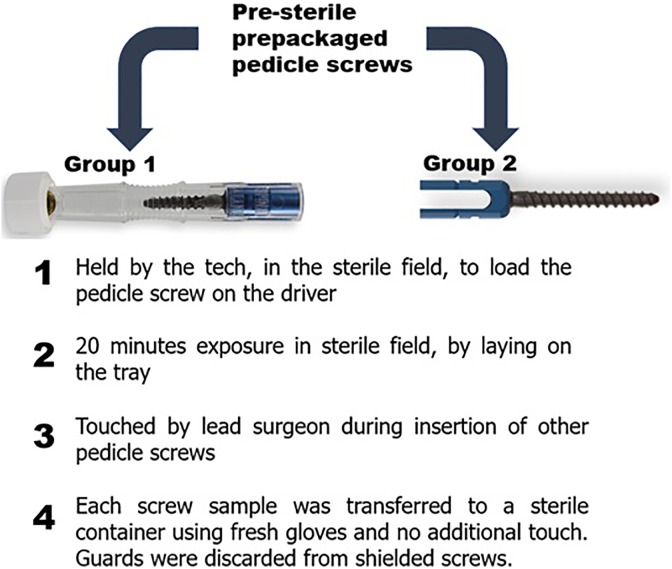
Two groups of sterile prepackaged pedicle screws, one with an intraoperative guard (group 1) and the other without such a guard (group 2), each consisting of 5 samples distributed over 3 time points, were loaded onto the insertion device by the scrub tech and left on the sterile table. Approximately 20 minutes later, the lead surgeon who had just finished preparing the surgical site touches the pedicle screw. Then instead of implantation it was transferred to a sterile container using fresh clean gloves for bacterial and gene analysis. Guarded screw implies that even after unwrapping from the package, the screw carries an impermeable barrier along its entire length, which is only removed seconds prior to implantation.
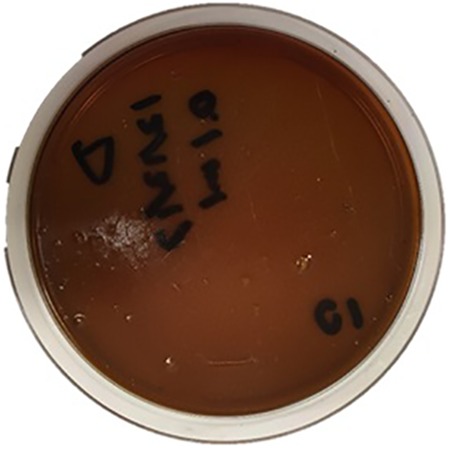
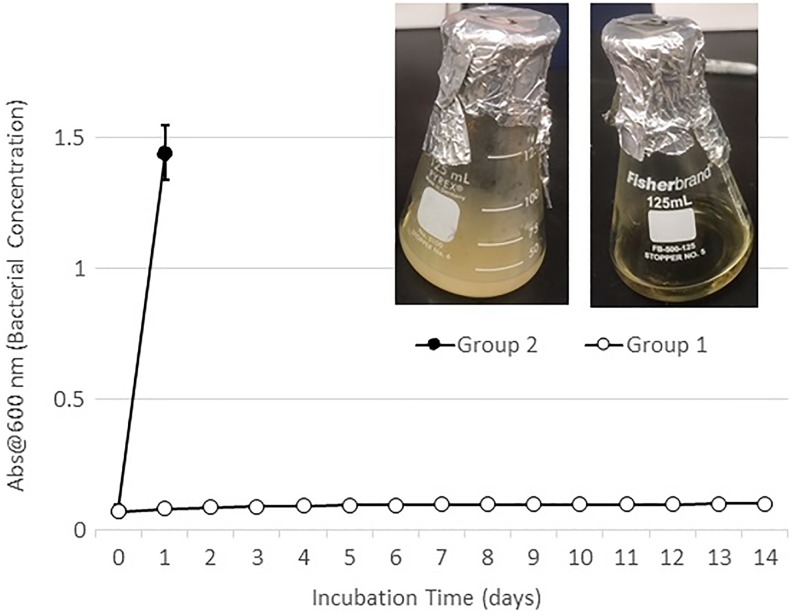
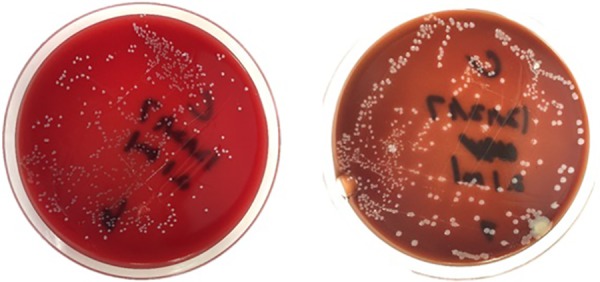
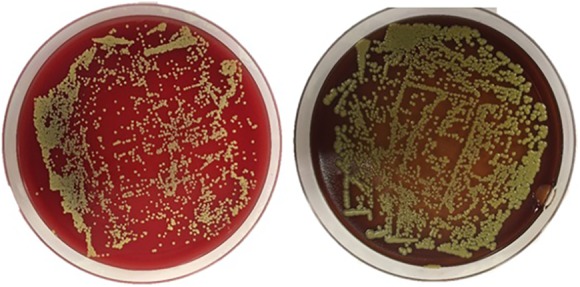
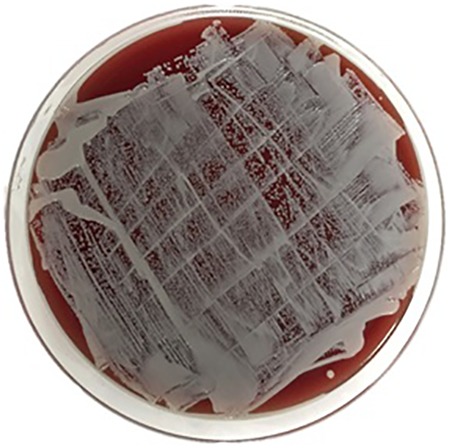
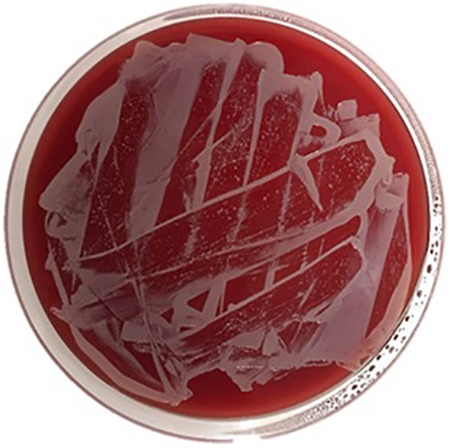
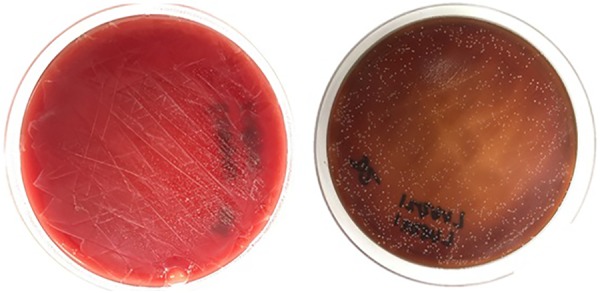
The standard unguarded pedicle screws presented bioburden in the range of 10 to 10 (colony forming units/implant) with bacterial genus mostly consisting of and , the 2 most common genera found in surgical site infection reports. The common species among them were , , , and , whereas the guarded pedicle screws showed no bioburden.
Shielding the pedicle screws intraoperatively using a guard provides a superior level of asepsis than currently practiced. All unshielded pedicles screws were carrying bioburden of virulent bacterial species, which provides an opportunity for the development of postoperative infections.
一项前瞻性单中心研究。
评估在标准的术中操作中椎弓根螺钉的污染程度,以及使用不透水防护装置是否可以减轻或减少这种污染的发生。
两组无菌预包装的椎弓根螺钉,一组带有术中防护装置(第1组),另一组没有这种防护装置(第2组),每组由分布在3个时间点的5个样本组成,由刷手护士装载到植入装置上并留在无菌台上。大约20分钟后,刚完成手术部位准备的主刀医生触摸椎弓根螺钉。然后,不是将其植入,而是使用干净的新手套将其转移到无菌容器中进行细菌和基因分析。带防护装置的螺钉意味着即使从包装中取出后,螺钉在其整个长度上仍带有不透水屏障,该屏障仅在植入前几秒钟才被移除。
标准的无防护椎弓根螺钉的生物负荷在10至10(菌落形成单位/植入物)范围内,细菌属主要由手术部位感染报告中最常见的2个属 和 组成。其中常见的菌种有 、 、 和 ,而带防护装置的椎弓根螺钉未显示生物负荷。
术中使用防护装置对椎弓根螺钉进行防护,可提供比目前操作更高水平的无菌状态。所有未防护的椎弓根螺钉都带有致病细菌种类的生物负荷,这为术后感染的发生提供了机会。