Department of Biochemistry, University of Washington, School of Medicine, Seattle, WA, 98195, USA.
Institute for Stem Cell and Regenerative Medicine, University of Washington, School of Medicine, Seattle, WA, 98109, USA.
Sci Rep. 2019 Feb 18;9(1):2195. doi: 10.1038/s41598-018-37489-4.
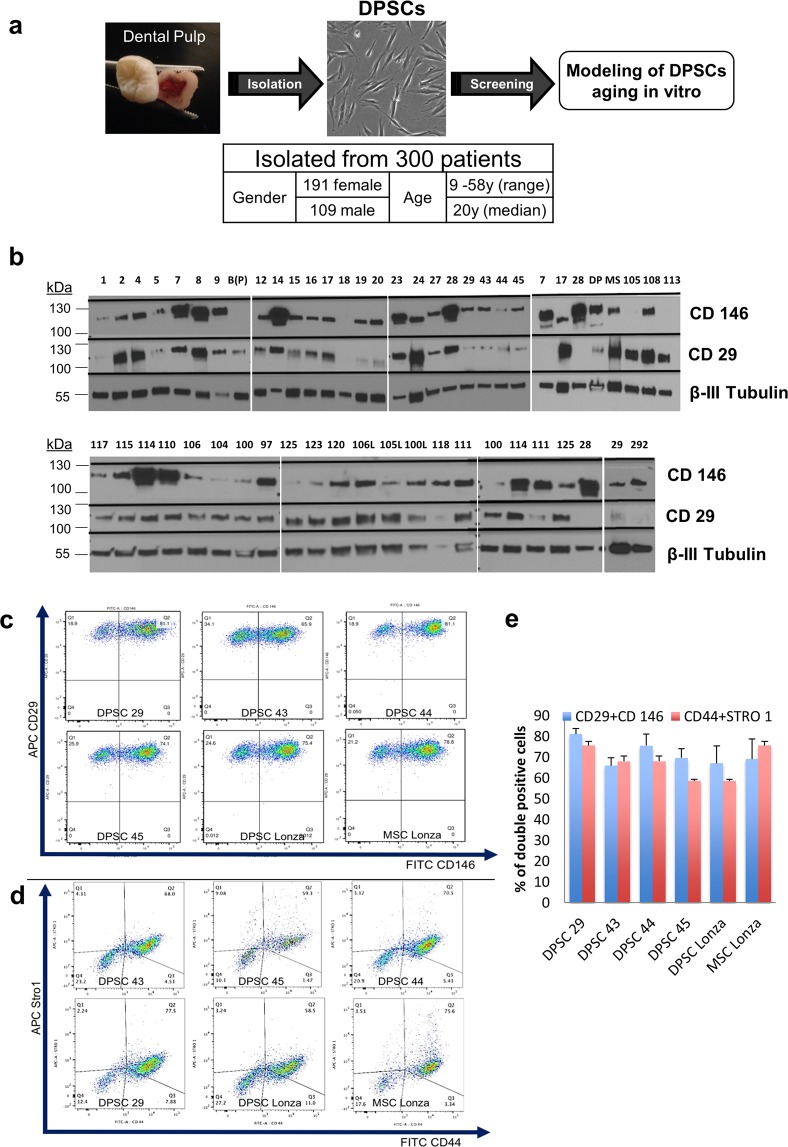
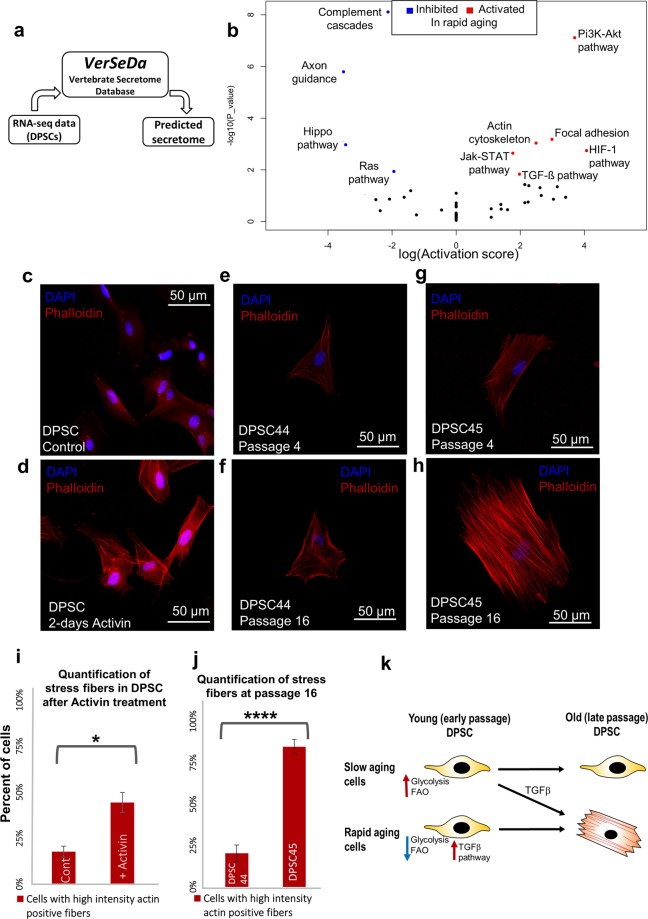
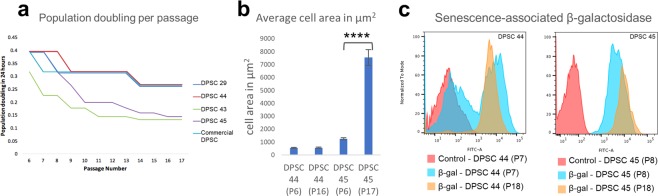
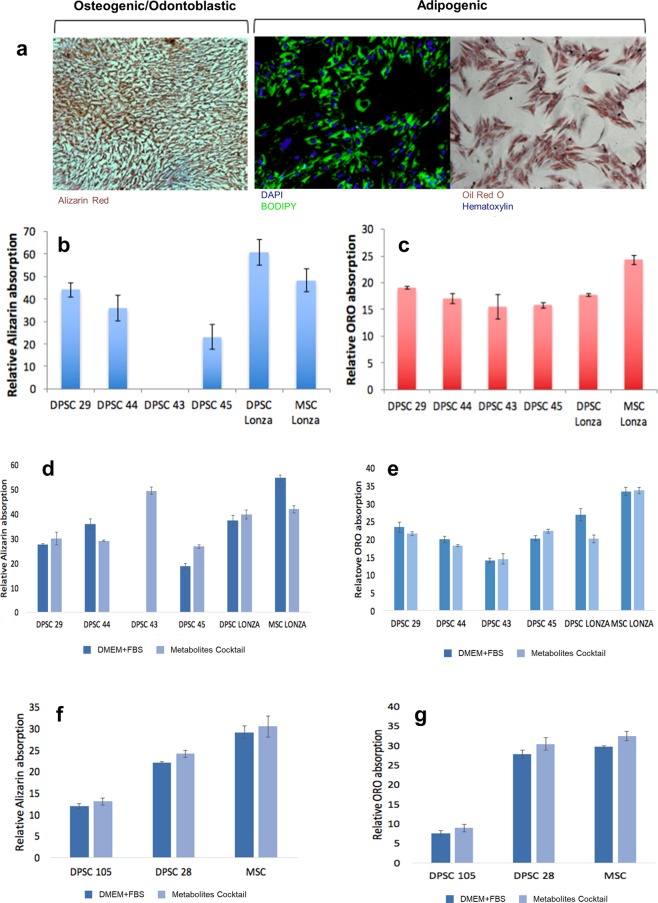
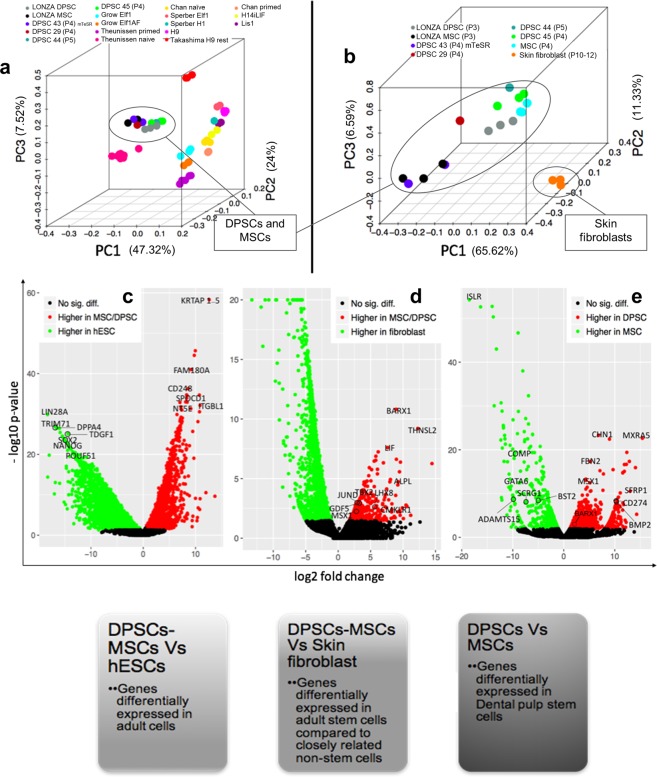
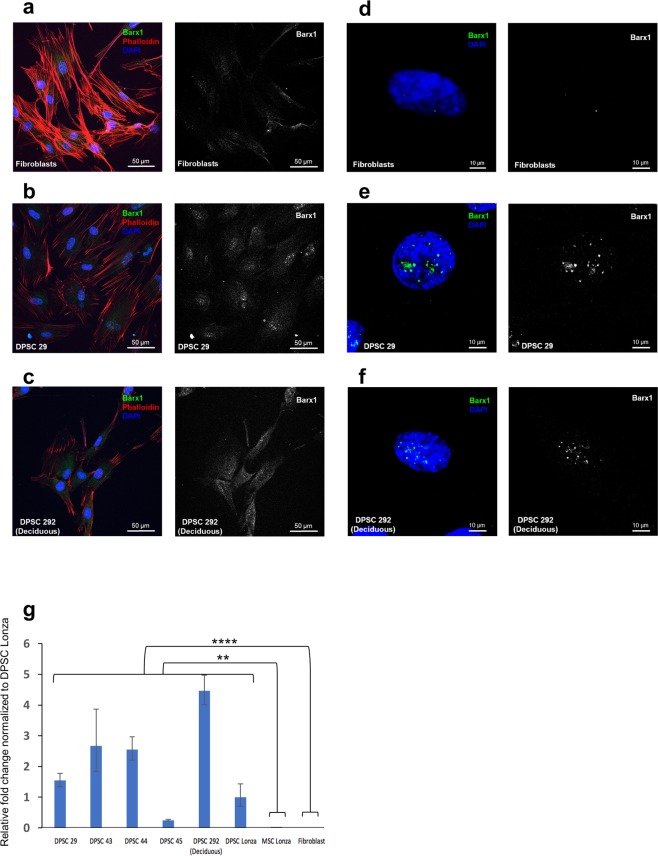
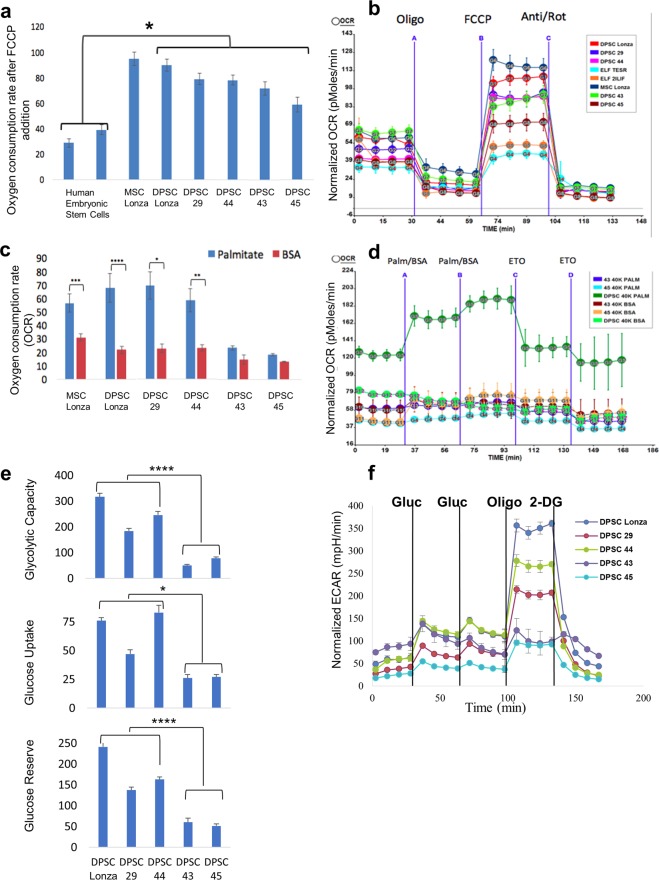
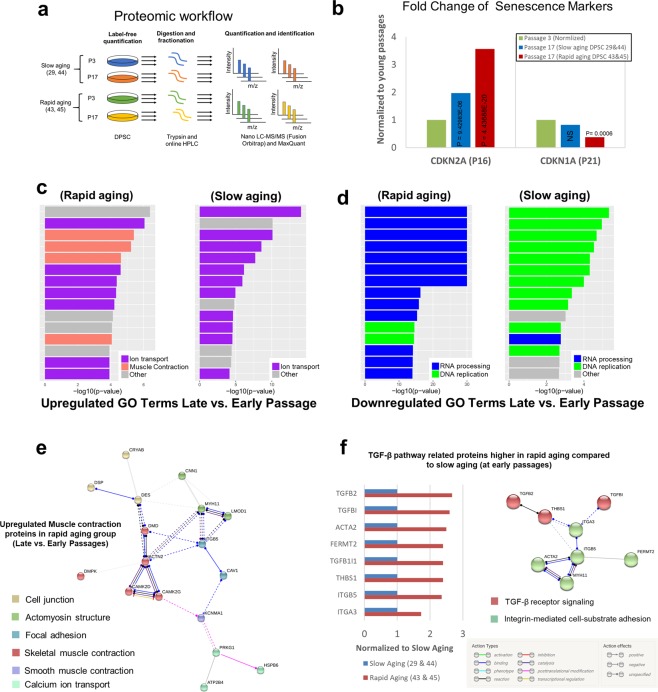
Tissue resident adult stem cells are known to participate in tissue regeneration and repair that follows cell turnover, or injury. It has been well established that aging impedes the regeneration capabilities at the cellular level, but it is not clear if the different onset of stem cell aging between individuals can be predicted or prevented at an earlier stage. Here we studied the dental pulp stem cells (DPSCs), a population of adult stem cells that is known to participate in the repair of an injured tooth, and its properties can be affected by aging. The dental pulp from third molars of a diverse patient group were surgically extracted, generating cells that had a high percentage of mesenchymal stem cell markers CD29, CD44, CD146 and Stro1 and had the ability to differentiate into osteo/odontogenic and adipogenic lineages. Through RNA seq and qPCR analysis we identified homeobox protein, Barx1, as a marker for DPSCs. Furthermore, using high throughput transcriptomic and proteomic analysis we identified markers for DPSC populations with accelerated replicative senescence. In particular, we show that the transforming growth factor-beta (TGF-β) pathway and the cytoskeletal proteins are upregulated in rapid aging DPSCs, indicating a loss of stem cell characteristics and spontaneous initiation of terminal differentiation. Importantly, using metabolic flux analysis, we identified a metabolic signature for the rapid aging DPSCs, prior to manifestation of senescence phenotypes. This metabolic signature therefore can be used to predict the onset of replicative senescence. Hence, the present study identifies Barx1 as a DPSCs marker and dissects the first predictive metabolic signature for DPSCs aging.
组织驻留的成体干细胞已知参与细胞更替或损伤后的组织再生和修复。已经充分证实,衰老会阻碍细胞水平的再生能力,但尚不清楚个体之间不同的干细胞衰老起始是否可以在更早的阶段进行预测或预防。在这里,我们研究了牙髓干细胞(DPSCs),这是一种已知参与受损牙齿修复的成体干细胞,其特性可能会受到衰老的影响。从不同患者组的第三磨牙中手术提取牙髓,生成具有高比例间充质干细胞标志物 CD29、CD44、CD146 和 Stro1 的细胞,并且具有分化为成骨/成牙质和脂肪细胞系的能力。通过 RNA 测序和 qPCR 分析,我们确定了同源盒蛋白 Barx1 作为 DPSCs 的标志物。此外,通过高通量转录组和蛋白质组学分析,我们确定了具有加速复制衰老的 DPSCs 群体的标志物。特别是,我们表明转化生长因子-β(TGF-β)途径和细胞骨架蛋白在快速衰老的 DPSCs 中上调,表明干细胞特征的丧失和自发启动终末分化。重要的是,通过代谢通量分析,我们在衰老表型出现之前,为快速衰老的 DPSCs 确定了一个代谢特征。因此,该代谢特征可用于预测复制衰老的发生。因此,本研究确定 Barx1 为 DPSCs 的标志物,并剖析了 DPSCs 衰老的第一个预测性代谢特征。