Department of Experimental Neuroendocrinology, Laboratory of Molecular Neuroendocrinology, Institute of Pharmacology, Polish Academy of Sciences, Smetna Street 12, 31-343, Krakow, Poland.
Department of Experimental Neuroendocrinology, Institute of Pharmacology, Polish Academy of Sciences, Smetna Street 12, 31-343, Krakow, Poland.
Apoptosis. 2019 Jun;24(5-6):435-452. doi: 10.1007/s10495-019-01522-2.
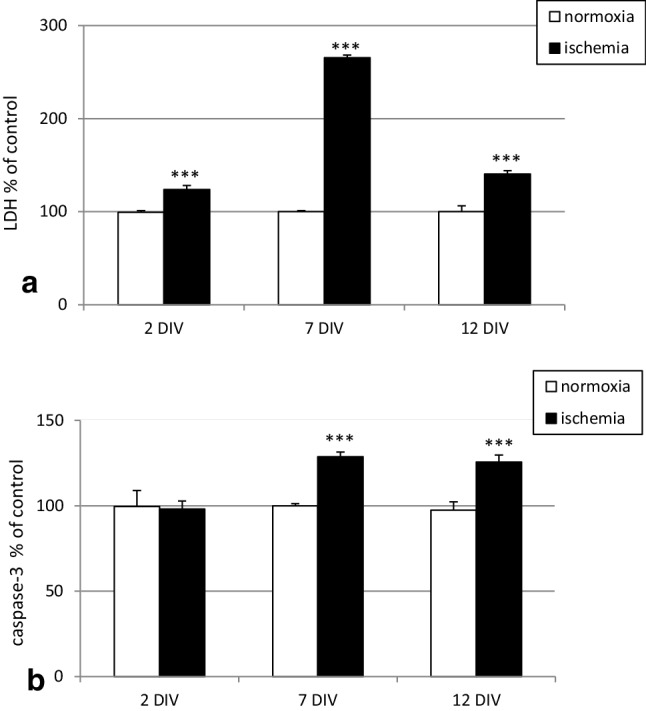
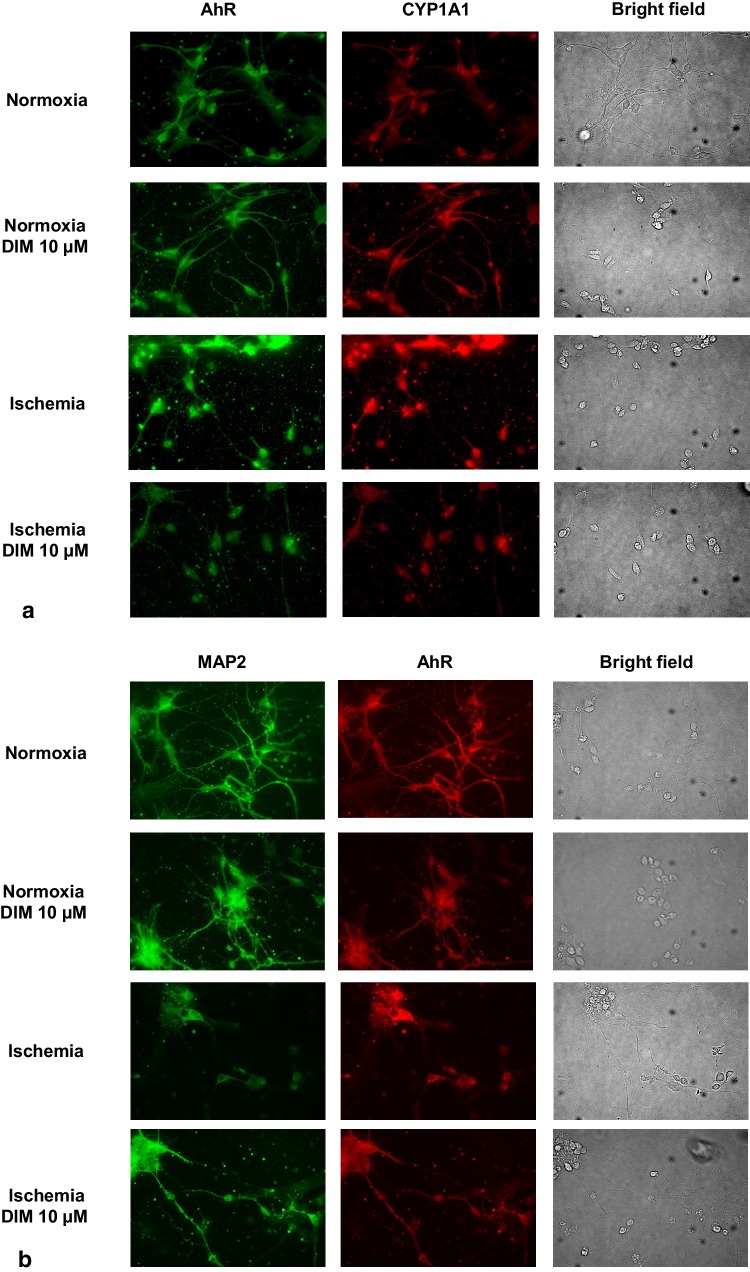
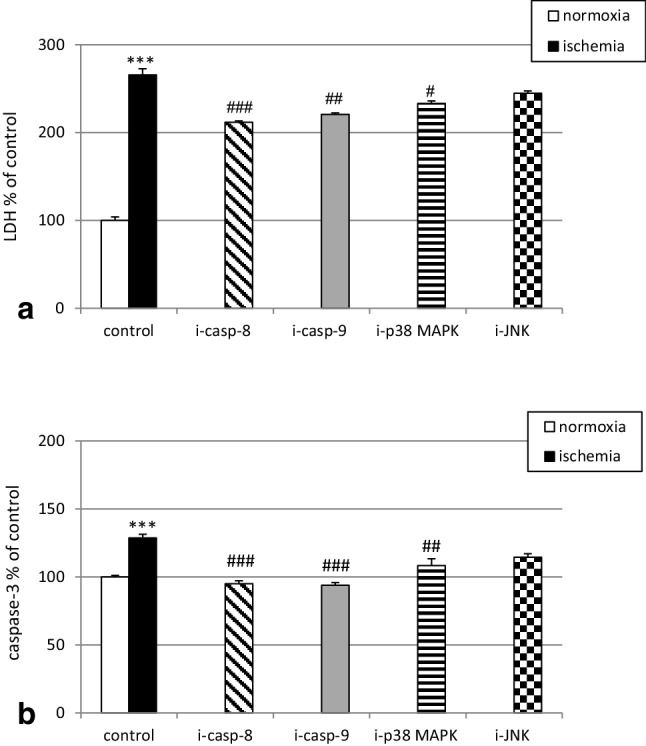
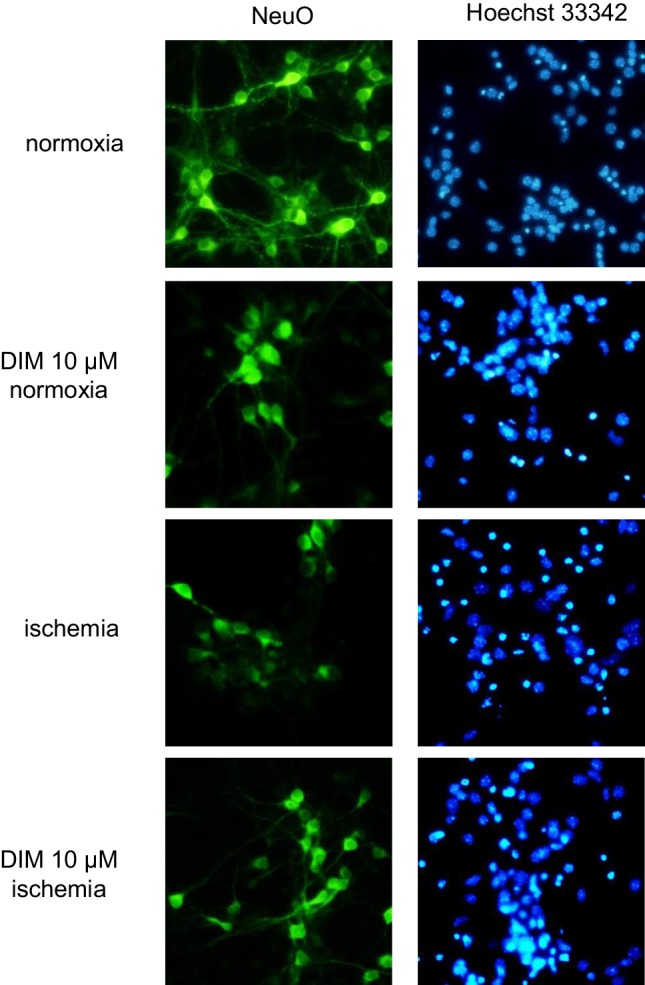
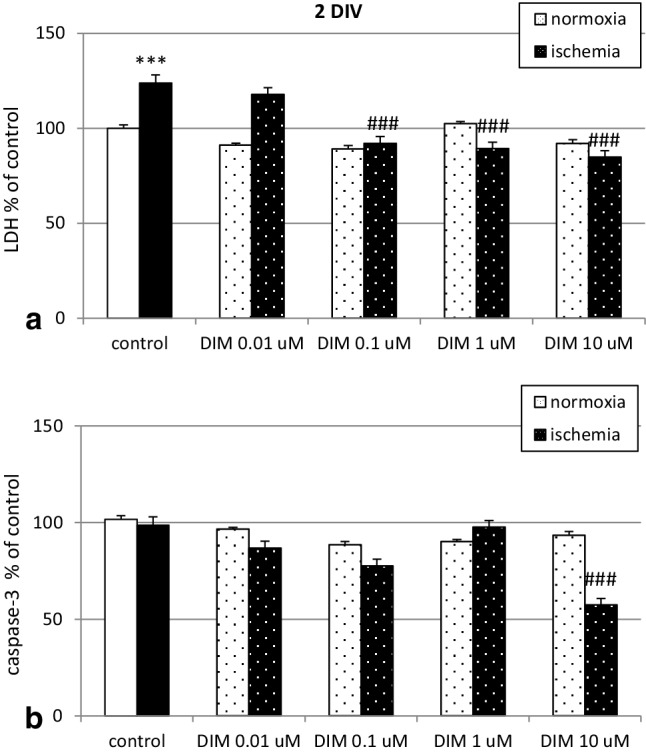
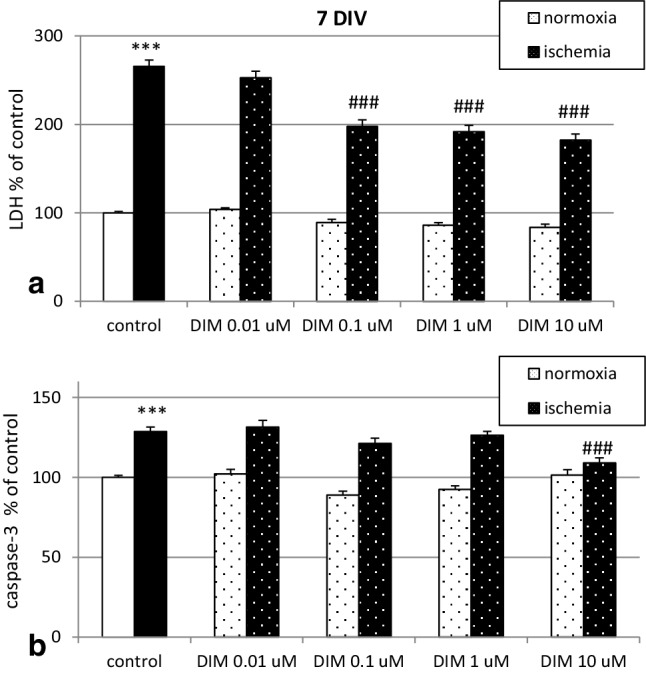
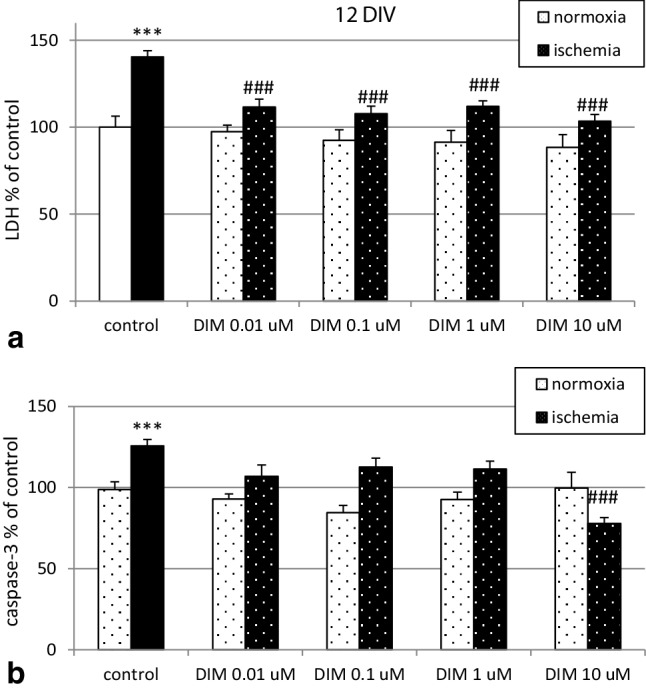
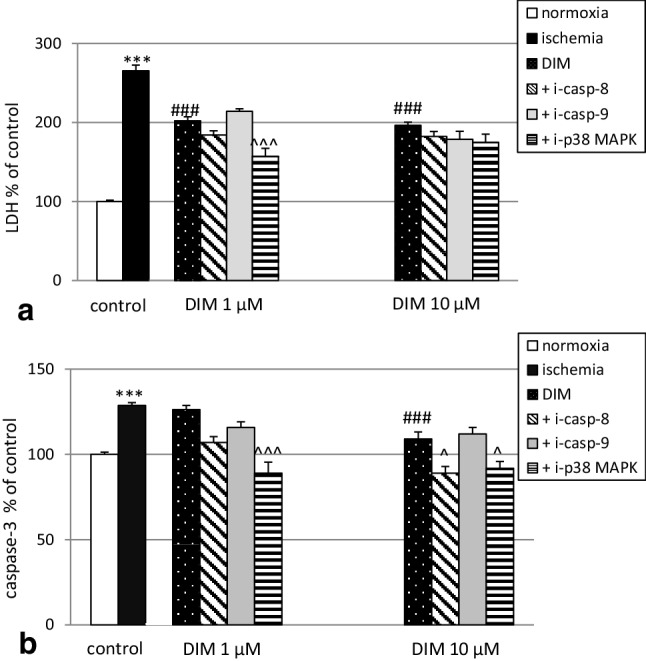
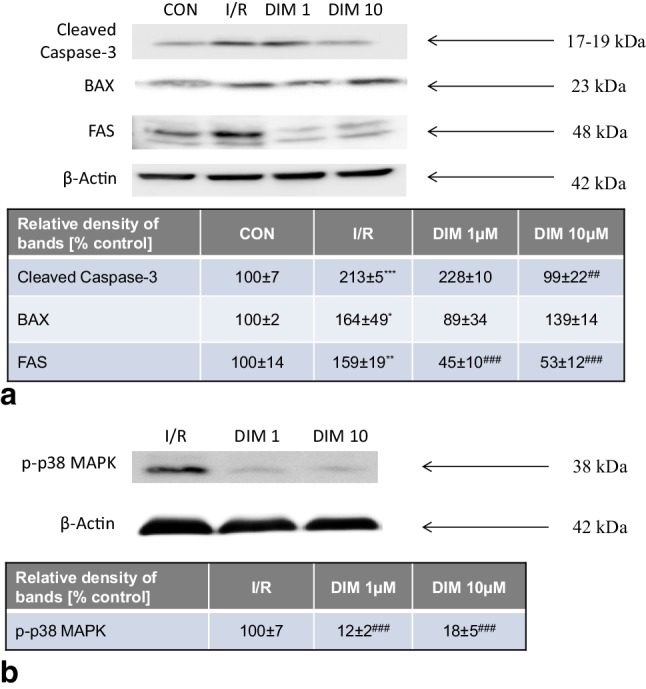
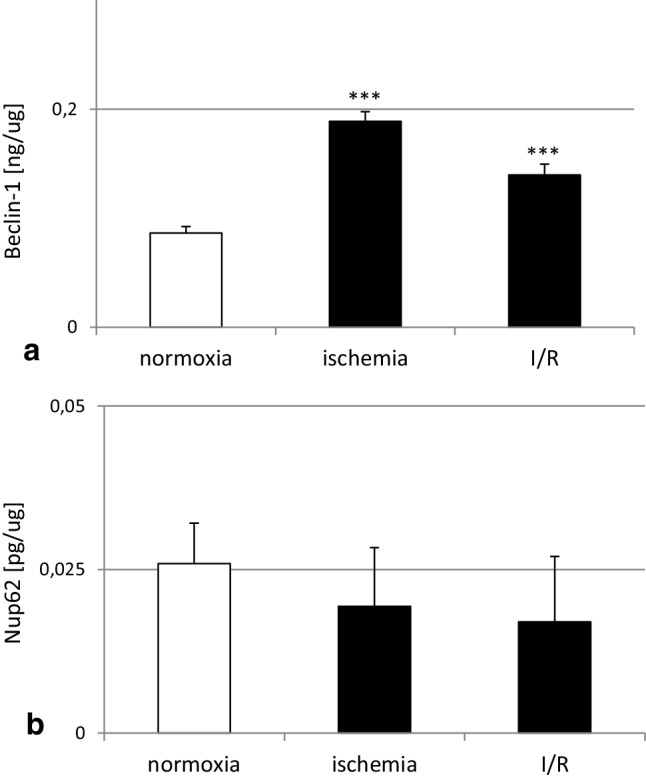
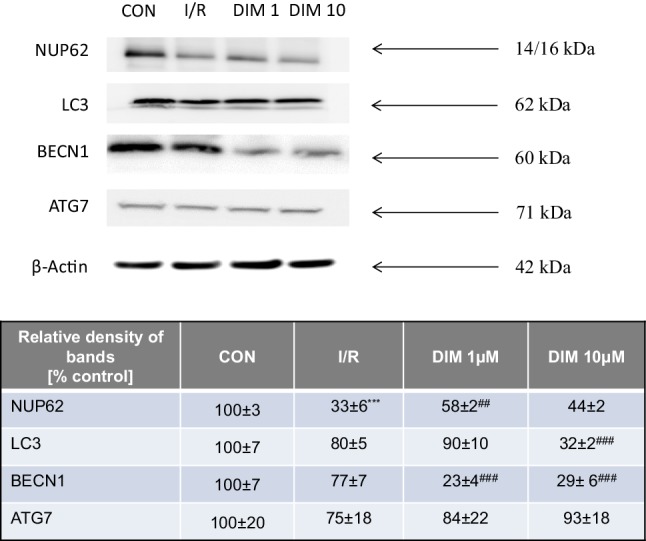
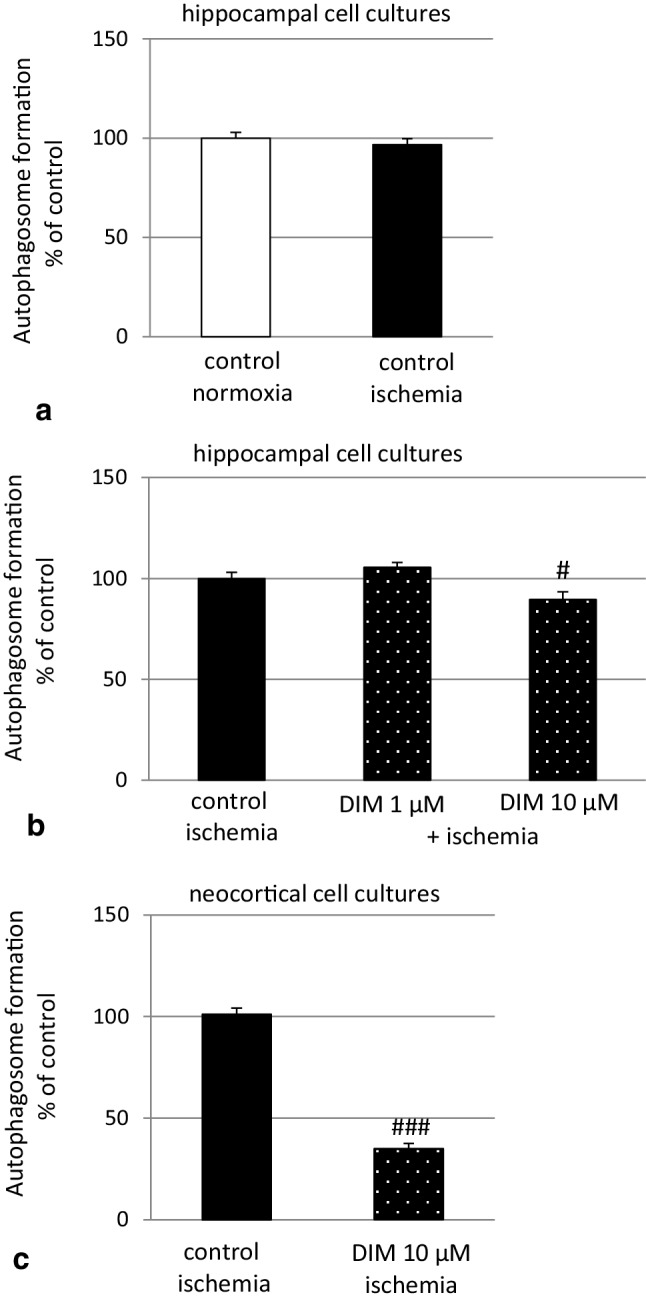
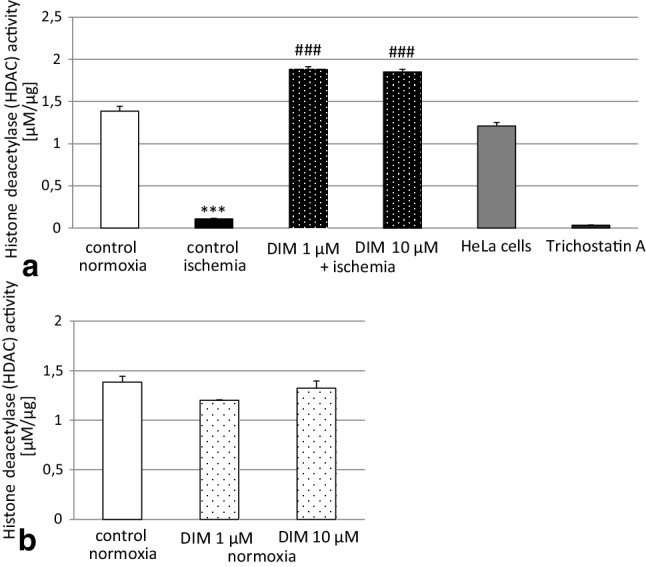
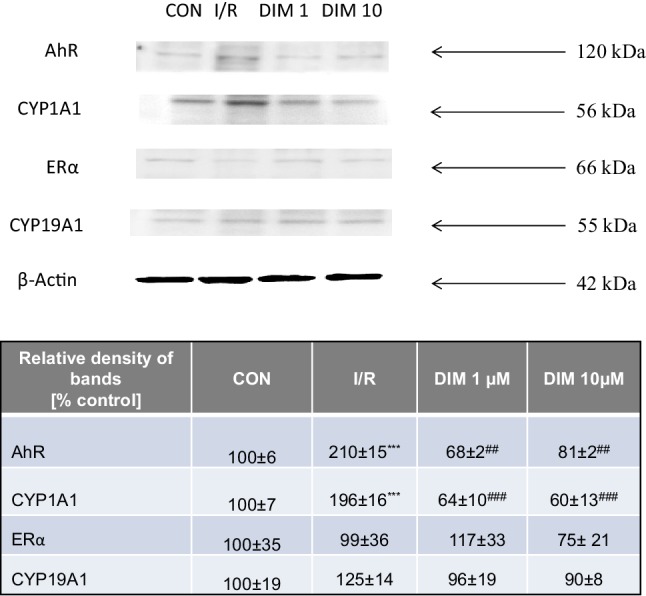
There are no studies examining the effects of 3,3'-diindolylmethane (DIM) in neuronal cells subjected to ischemia. Little is also known about the roles of apoptosis and autophagy as well as AhR and ERα signaling and HDACs in DIM action. We demonstrated for the first time the strong neuroprotective capacity of DIM in mouse primary hippocampal cell cultures exposed to ischemia at early and later stages of neuronal development. The protective effects of DIM were mediated via inhibition of ischemia-induced apoptosis and autophagy that was accompanied by a decrease in AhR/CYP1A1 signaling and an increase in HDAC activity. DIM decreased the levels of pro-apoptotic factors, i.e., Fas, Caspase-3, and p38 mitogen-activated protein kinase (MAPK). DIM also reduced the protein levels of autophagy-related Beclin-1 (BECN1) and microtubule-associated proteins 1A/1B light chain (LC3), partially reversed the ischemia-induced decrease in Nucleoporin 62 (NUP62) and inhibited autophagosome formation. In addition, DIM completely reversed the ischemia-induced decrease in histone deacetylase (HDAC) activity in hippocampal neurons. Although DIM inhibited AhR/CYP1A1 signaling, it did not influence the protein expression levels of ERα and ERα-regulated CYP19A1 which are known to be controlled by AhR. This study demonstrated for the first time, that the neuroprotective action of 3,3'-diindolylmethane against ischemia involves an inhibition of apoptosis and autophagy and depends on AhR/CYP1A1 signaling and HDAC activity, thus creating the possibility of developing new therapeutic strategies that target neuronal degeneration at specific molecular levels.
目前尚无研究探讨 3,3'-二吲哚甲烷(DIM)对缺血神经元细胞的影响。此外,凋亡和自噬以及 AhR 和 ERα 信号通路和组蛋白去乙酰化酶(HDACs)在 DIM 作用中的作用也知之甚少。我们首次证明了 DIM 在暴露于缺血的早期和晚期神经元发育阶段的小鼠原代海马细胞培养物中具有强大的神经保护作用。DIM 的保护作用是通过抑制缺血诱导的凋亡和自噬介导的,这伴随着 AhR/CYP1A1 信号的减少和 HDAC 活性的增加。DIM 降低了促凋亡因子 Fas、Caspase-3 和 p38 丝裂原激活蛋白激酶(MAPK)的水平。DIM 还降低了自噬相关蛋白 Beclin-1(BECN1)和微管相关蛋白 1A/1B 轻链(LC3)的蛋白水平,部分逆转了缺血诱导的核孔蛋白 62(NUP62)减少,并抑制了自噬体的形成。此外,DIM 完全逆转了缺血诱导的海马神经元中组蛋白去乙酰化酶(HDAC)活性的降低。尽管 DIM 抑制了 AhR/CYP1A1 信号通路,但它并没有影响 ERα 和 ERα 调节的 CYP19A1 的蛋白表达水平,已知这些蛋白受 AhR 调控。这项研究首次表明,3,3'-二吲哚甲烷对缺血的神经保护作用涉及对凋亡和自噬的抑制,并且依赖于 AhR/CYP1A1 信号通路和 HDAC 活性,从而为开发针对特定分子水平神经元变性的新治疗策略创造了可能性。