Department of Immunohematology and Blood Transfusion, L3-Q Leiden University Medical Center, 2333 ZA Leiden, The Netherlands.
Department of Molecular Cell Biology, Leiden University Medical Center, 2333 ZA Leiden, The Netherlands.
Cells. 2019 Feb 18;8(2):169. doi: 10.3390/cells8020169.
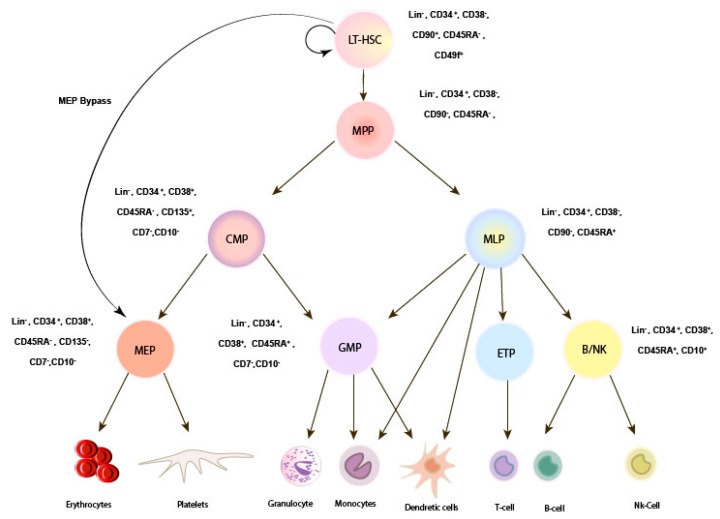
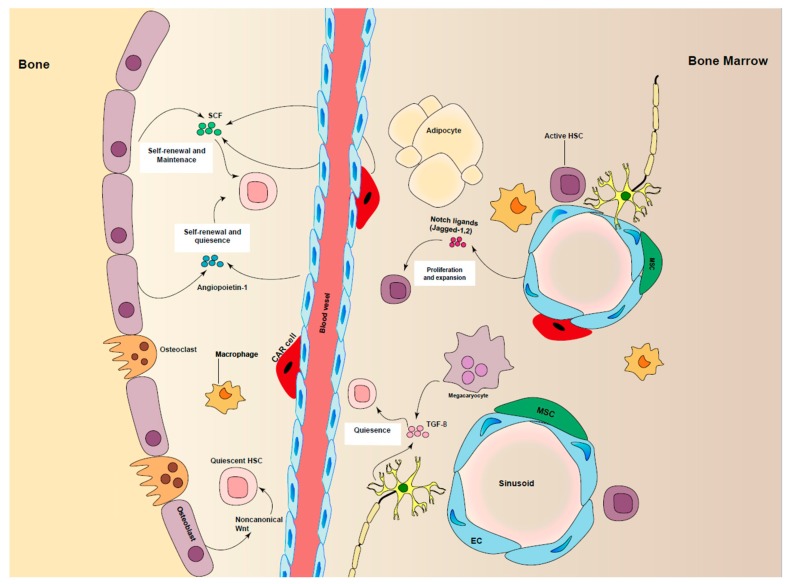
Expansion of hematopoietic stem cells (HSCs) for therapeutic purposes has been a "holy grail" in the field for many years. Ex vivo expansion of HSCs can help to overcome material shortage for transplantation purposes and genetic modification protocols. In this review, we summarize improved understanding in blood development, the effect of niche and conservative signaling pathways on HSCs in mice and humans, and also advances in ex vivo culturing protocols of human HSCs with cytokines or small molecule compounds. Different expansion protocols have been tested in clinical trials. However, an optimal condition for ex vivo expansion of human HSCs still has not been found yet. Translating and implementing new findings from basic research (for instance by using genetic modification of human HSCs) into clinical protocols is crucial to improve ex vivo expansion and eventually boost stem cell gene therapy.
多年来,为了治疗目的而扩增造血干细胞(HSCs)一直是该领域的“圣杯”。HSCs 的体外扩增有助于克服用于移植目的和遗传修饰方案的材料短缺。在这篇综述中,我们总结了在血液发育、微环境和保守信号通路对小鼠和人类 HSCs 的影响方面的改进认识,以及细胞因子或小分子化合物体外培养人类 HSCs 的方案方面的进展。不同的扩增方案已经在临床试验中进行了测试。然而,仍然没有找到用于人类 HSCs 体外扩增的最佳条件。将基础研究中的新发现(例如通过对人类 HSCs 进行基因修饰)转化并应用于临床方案对于改善体外扩增并最终增强干细胞基因治疗至关重要。