Environmental Microbial Genomics, Laboratoire Ampère, CNRS, École Centrale de Lyon, Écully, France.
Microbiology Section, Department of Biology, University of Copenhagen, Copenhagen, Denmark.
Sci Rep. 2019 Feb 19;9(1):2290. doi: 10.1038/s41598-019-38744-y.
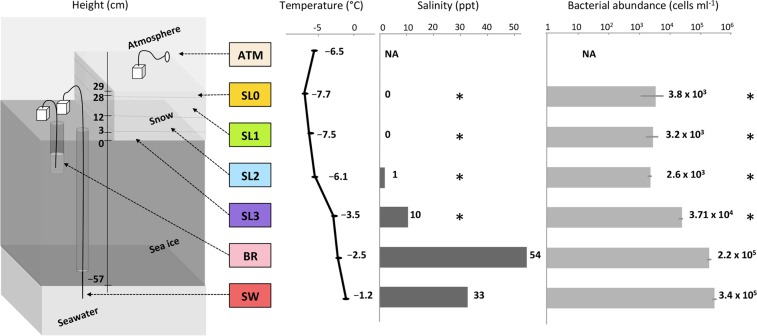
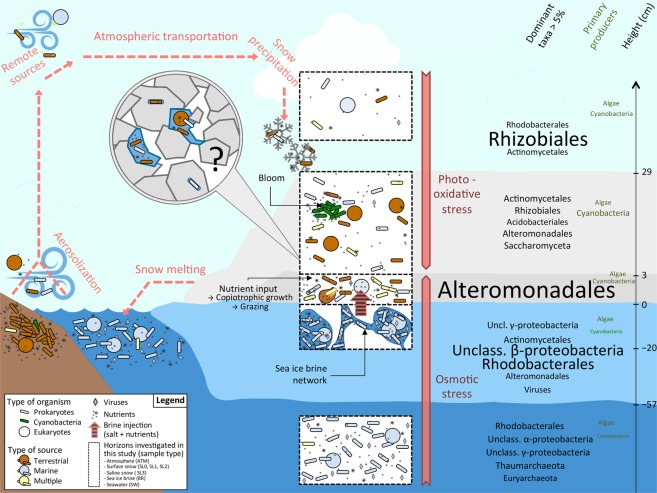
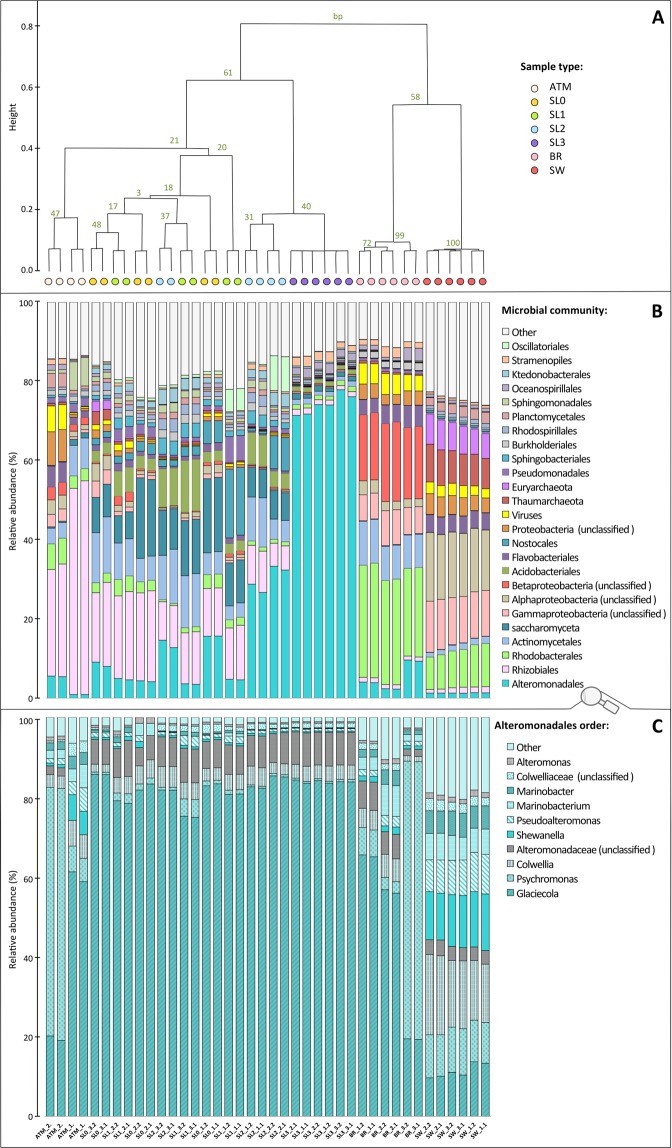
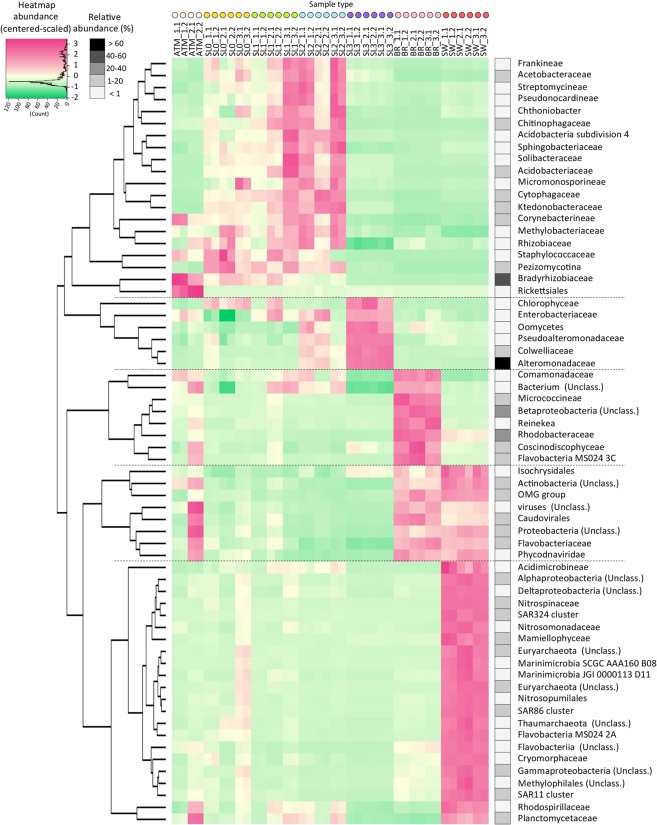
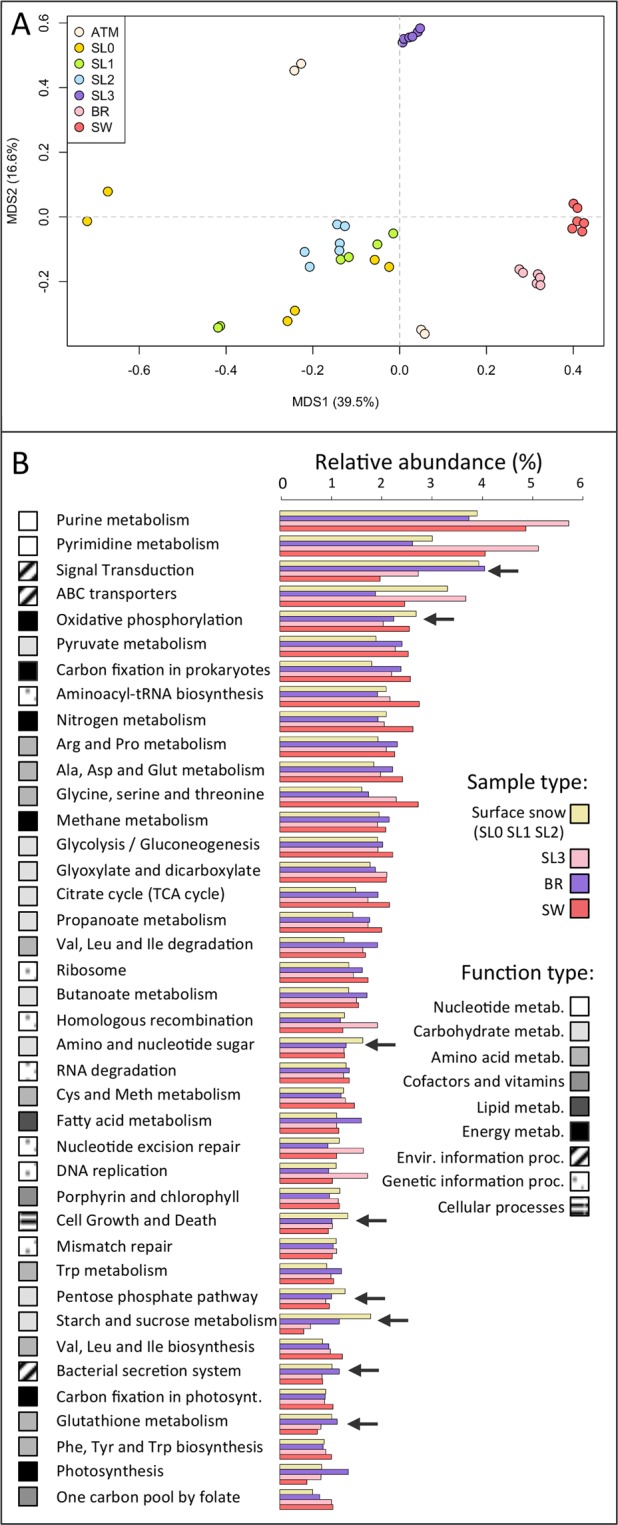
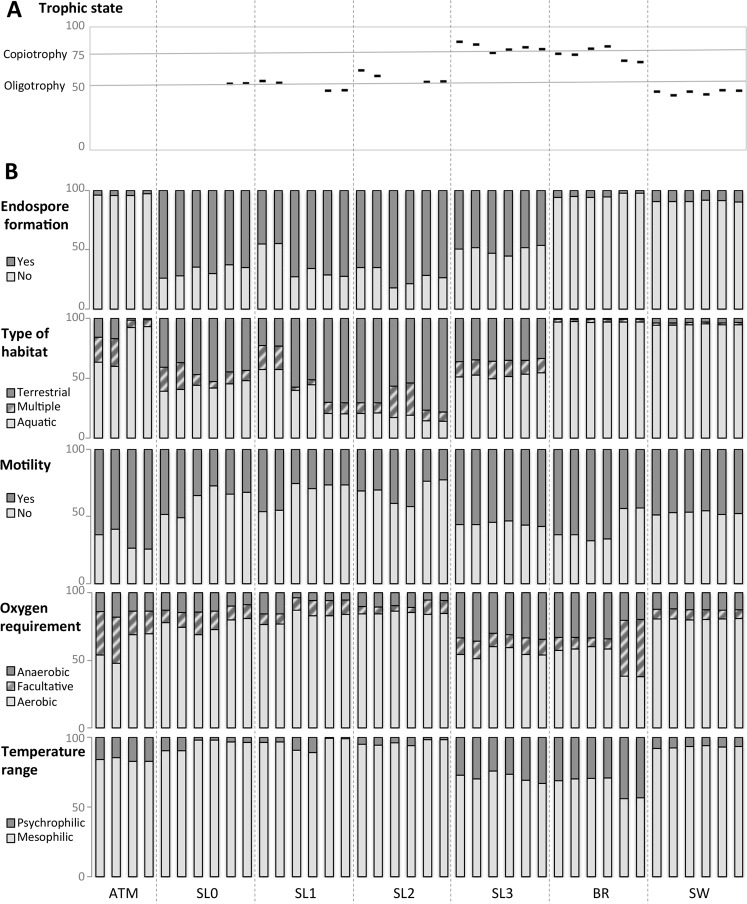
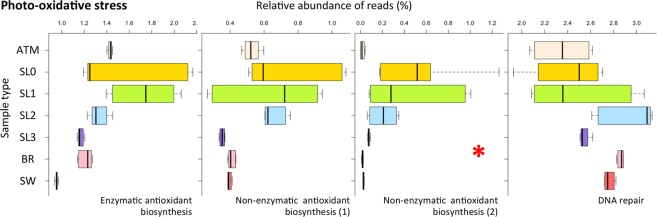
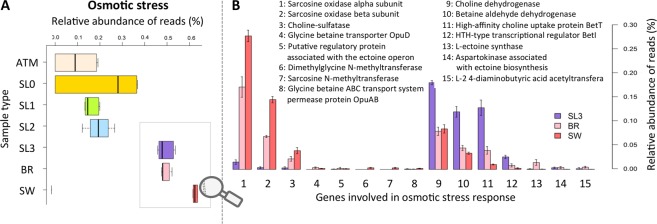
Sea ice and its snow cover are critical for global processes including climate regulation and biogeochemical cycles. Despite an increase in studies focused on snow microorganisms, the ecology of snow inhabitants remains unclear. In this study, we investigated sources and selection of a snowpack-specific microbial community by comparing metagenomes from samples collected in a Greenlandic fjord within a vertical profile including atmosphere, snowpack with four distinct layers of snow, sea ice brine and seawater. Microbial communities in all snow layers derived from mixed sources, both marine and terrestrial, and were more similar to atmospheric communities than to sea ice or seawater communities. The surface snow metagenomes were characterized by the occurrence of genes involved in photochemical stress resistance, primary production and metabolism of diverse carbon sources. The basal saline snow layer that was in direct contact with the sea ice surface harbored a higher abundance of cells than the overlying snow layers, with a predominance of Alteromonadales and a higher relative abundance of marine representatives. However, the overall taxonomic structure of the saline layer was more similar to that of other snow layers and the atmosphere than to underlying sea ice and seawater. The expulsion of relatively nutrient-rich sea ice brine into basal snow might have stimulated the growth of copiotrophic psychro- and halotolerant snow members. Our study indicates that the size, composition and function of snowpack microbial communities over sea ice were influenced primarily by atmospheric deposition and inflow of sea ice brine and that they form a snow-specific assemblage reflecting the particular environmental conditions of the snowpack habitat.
海冰及其积雪对包括气候调节和生物地球化学循环在内的全球过程至关重要。尽管越来越多的研究集中在雪微生物上,但雪生物的生态学仍然不清楚。在这项研究中,我们通过比较在格陵兰峡湾内垂直剖面中收集的样本的宏基因组,研究了雪层特定微生物群落的来源和选择,该剖面包括大气、具有四个不同雪层的雪层、海冰盐水和海水。所有雪层中的微生物群落都来自混合来源,包括海洋和陆地来源,并且与大气群落比与海冰或海水群落更相似。表面雪的宏基因组特征是存在与光化学应激抗性、多种碳源的初级生产和代谢相关的基因。与海冰表面直接接触的基底层咸雪层的细胞丰度高于上层雪层,优势菌为交替单胞菌目,海洋代表的相对丰度较高。然而,咸雪层的整体分类结构与其他雪层和大气更相似,而与下面的海冰和海水不相似。相对富含营养的海冰盐水排入基底层雪可能刺激了嗜冷和嗜盐耐寒雪生物的生长。我们的研究表明,海冰上的雪层微生物群落的大小、组成和功能主要受大气沉降和海冰盐水流入的影响,并且它们形成了反映雪层栖息地特殊环境条件的雪特异性组合。