Yakimovich Kurt M, Engstrom Casey B, Quarmby Lynne M
Department of Molecular Biology and Biochemistry, Simon Fraser University, Burnaby, BC, Canada.
Front Microbiol. 2020 Jul 28;11:1721. doi: 10.3389/fmicb.2020.01721. eCollection 2020.
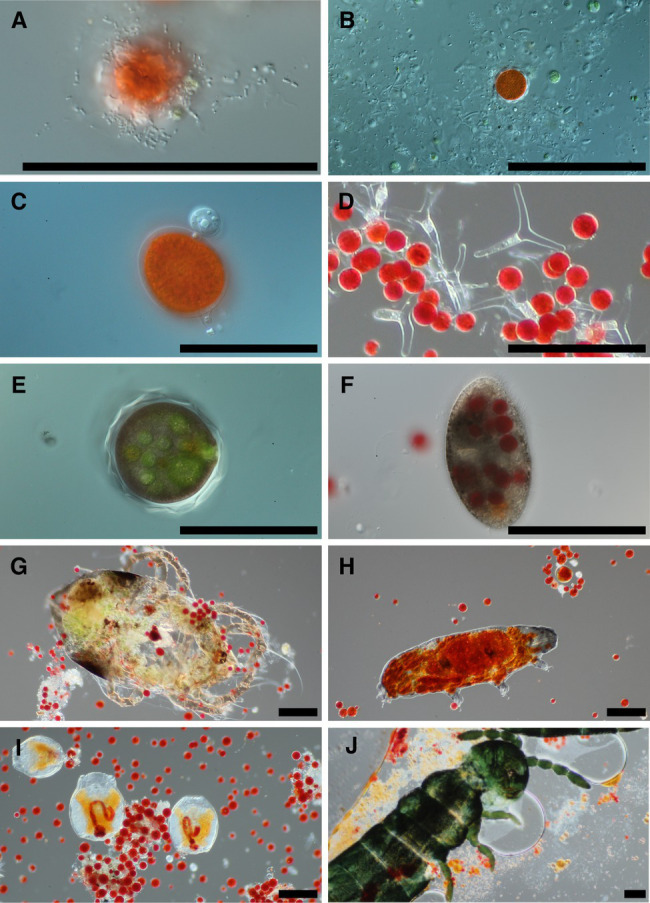
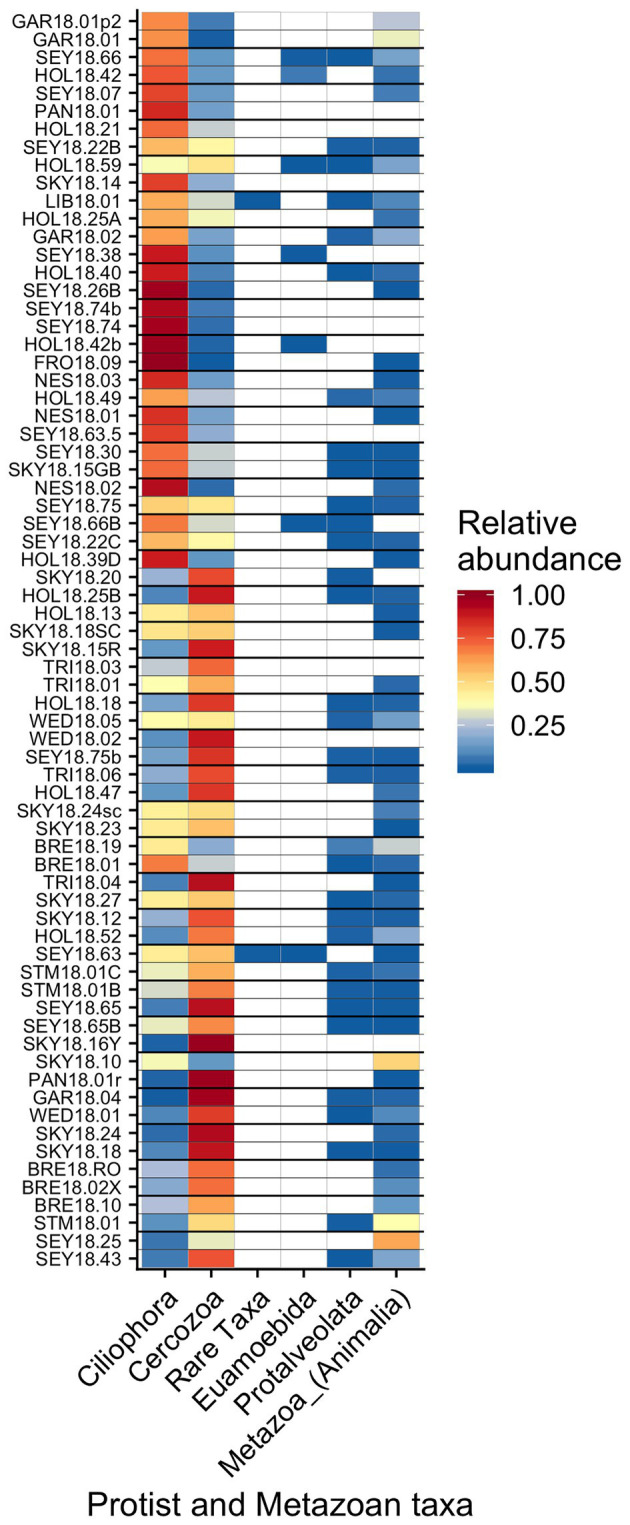
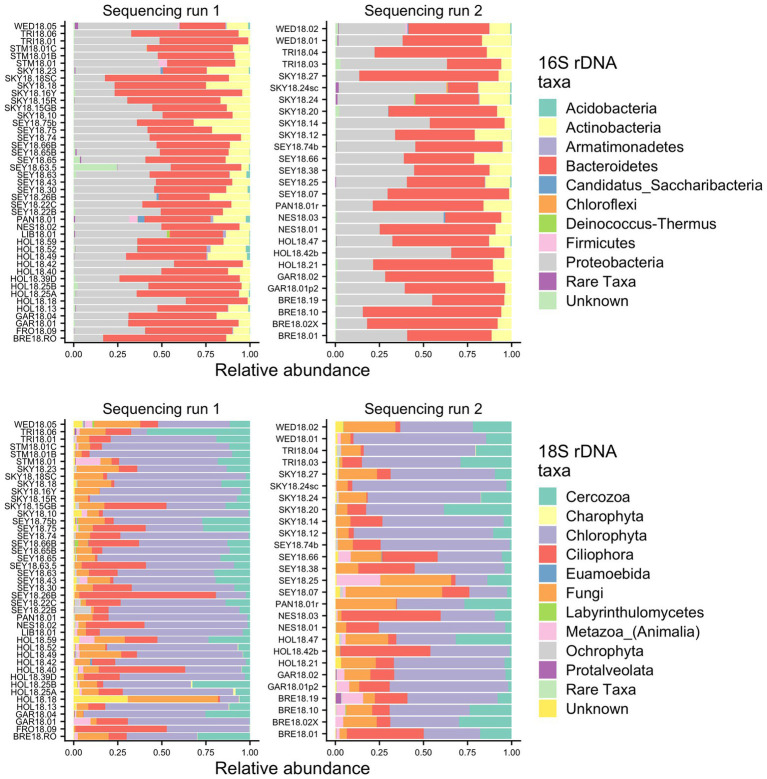
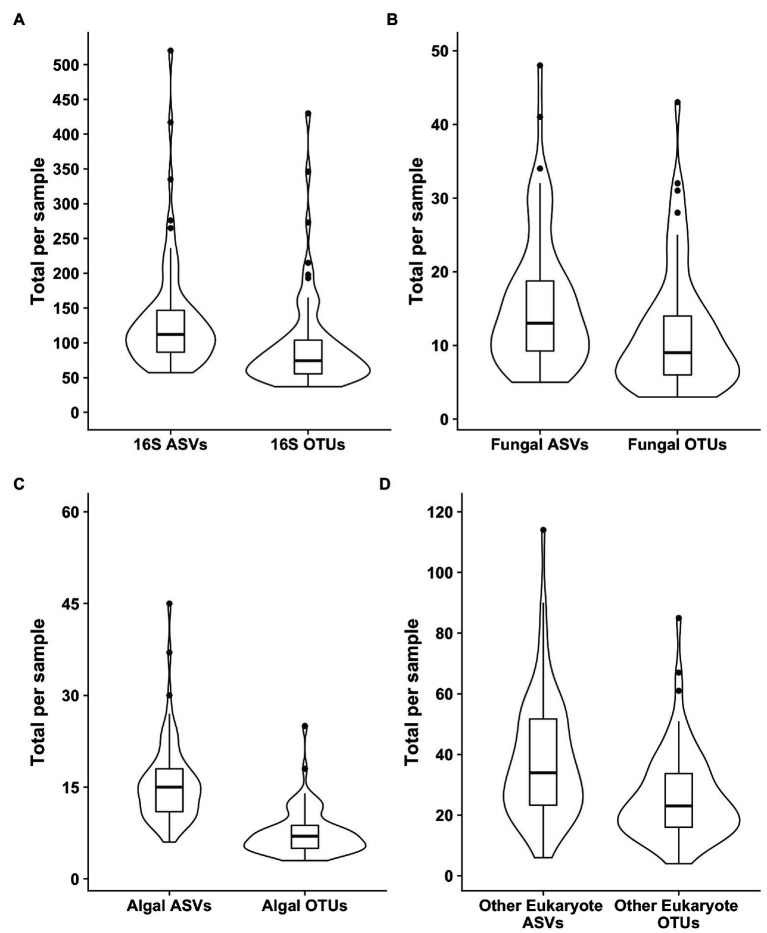
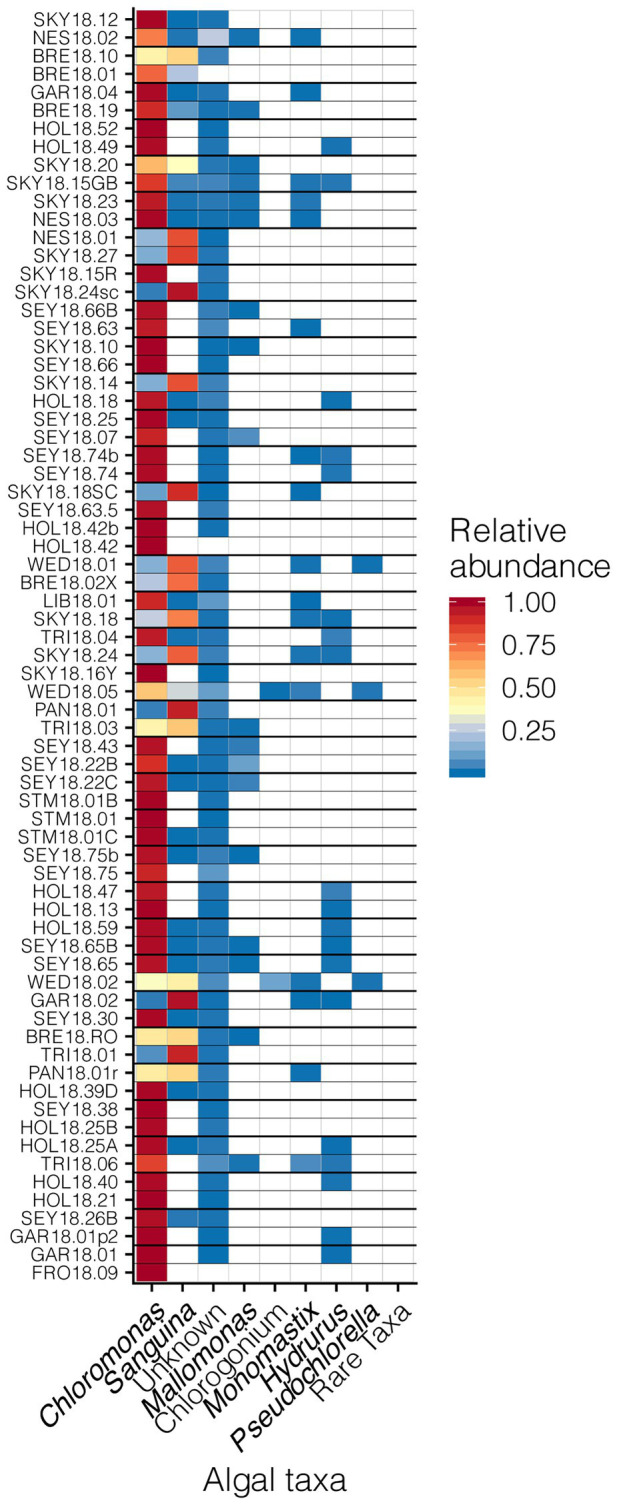
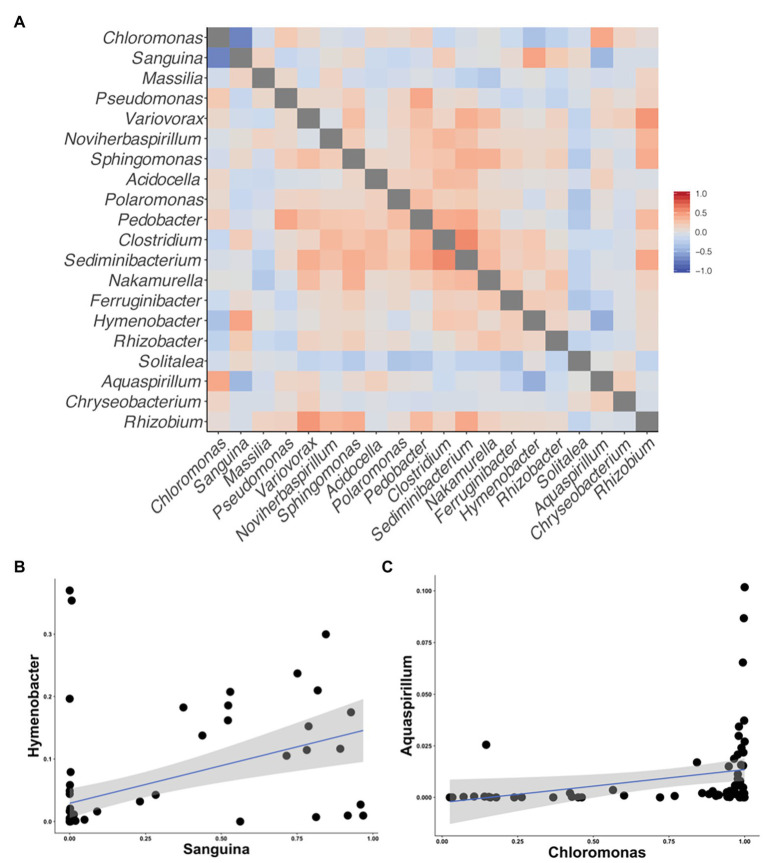
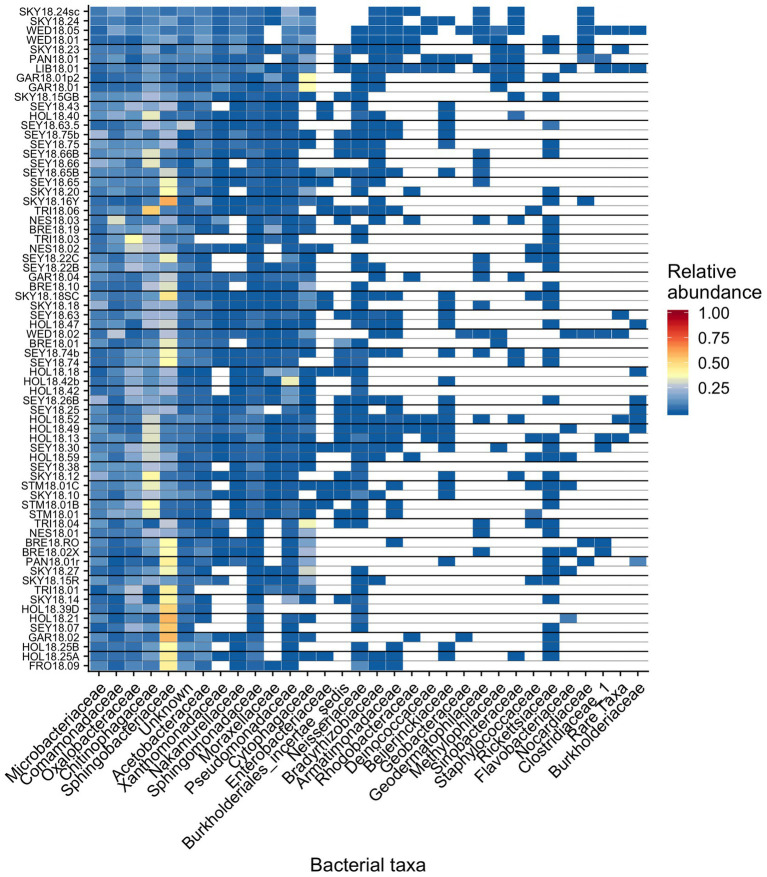
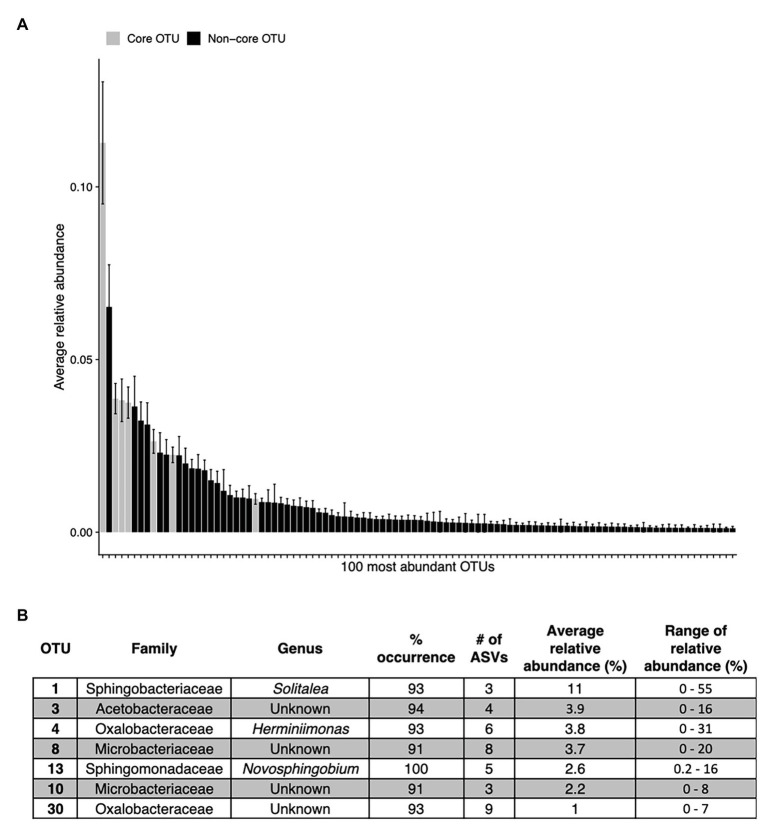
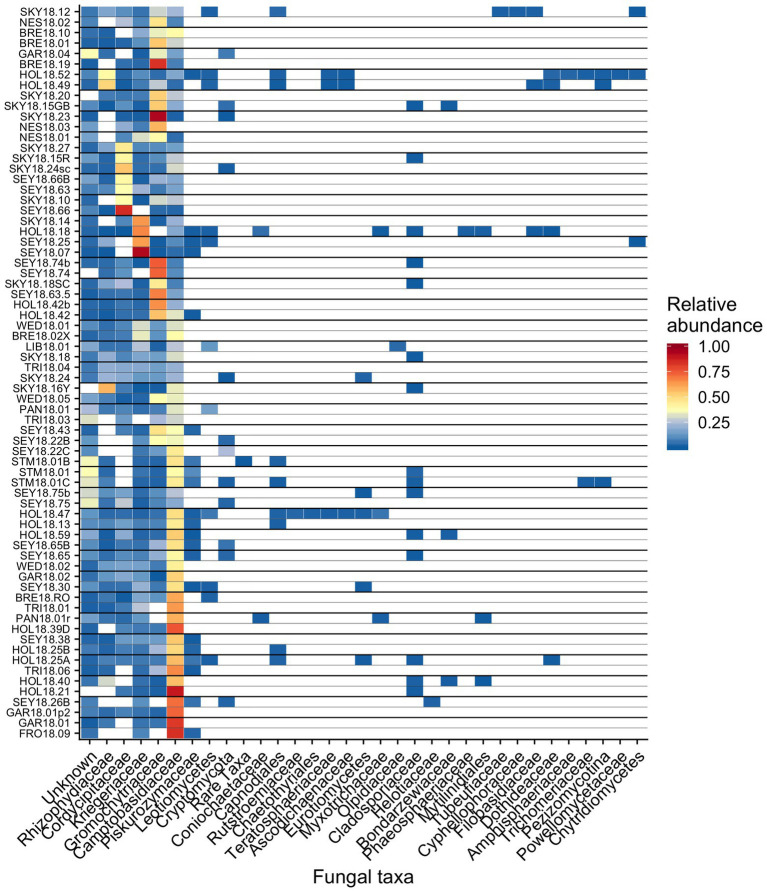
Snow algae blooms contain bacteria, fungi, and other microscopic organisms. We surveyed 55 alpine snow algae blooms, collecting a total of 68 samples, from 12 mountains in the Coast Range of British Columbia, Canada. We used microscopy and rDNA metabarcoding to document biodiversity and query species and taxonomic associations. Across all samples, we found 173 algal, 2,739 bacterial, 380 fungal, and 540 protist/animalia operational taxonomic units (OTUs). In a previous study, we reported that most algal species were distributed along an elevational gradient. In the current study, we were surprised to find no corresponding distribution in any other taxa. We also tested the hypothesis that certain bacterial and fungal taxa co-occur with specific algal taxa. However, despite previous evidence that particular genera co-occur, we found no significant correlations between taxa across our 68 samples. Notably, seven bacterial, one fungal, and two cercozoan OTUs were widely distributed across our study regions. Taken together, these data suggest that any mutualisms with algae may not be taxon specific. We also report evidence of snow algae predation by rotifers, tardigrades, springtails, chytrid fungi, and ciliates, establishing the framework for a complex food web.
雪藻大量繁殖包含细菌、真菌和其他微生物。我们调查了加拿大不列颠哥伦比亚省海岸山脉12座山上的55次高山雪藻大量繁殖情况,共采集了68个样本。我们使用显微镜和核糖体DNA元条形码技术来记录生物多样性,并查询物种和分类学关联。在所有样本中,我们发现了173个藻类、2739个细菌、380个真菌和540个原生生物/动物界的可操作分类单元(OTU)。在之前的一项研究中,我们报告说大多数藻类物种沿海拔梯度分布。在当前研究中,我们惊讶地发现其他任何分类群中都没有相应的分布。我们还检验了某些细菌和真菌分类群与特定藻类分类群共生的假设。然而,尽管之前有证据表明特定属会共生,但我们在68个样本中未发现分类群之间存在显著相关性。值得注意的是,7个细菌、1个真菌和2个丝足虫OTU在我们的研究区域广泛分布。综上所述,这些数据表明与藻类的任何共生关系可能不是分类群特异性的。我们还报告了轮虫、缓步动物、跳虫、壶菌和纤毛虫捕食雪藻的证据,为复杂的食物网建立了框架。