Department of Civil, Environmental and Ocean Engineering, Stevens Institute of Technology, 1 Castle Point Terrace, Hoboken, NJ 07030, USA.
Department of Civil and Environmental Engineering, North Dakota State University, Fargo, ND 58105, USA.
Sensors (Basel). 2019 Feb 20;19(4):877. doi: 10.3390/s19040877.
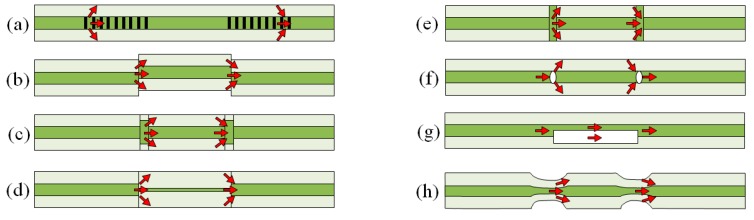
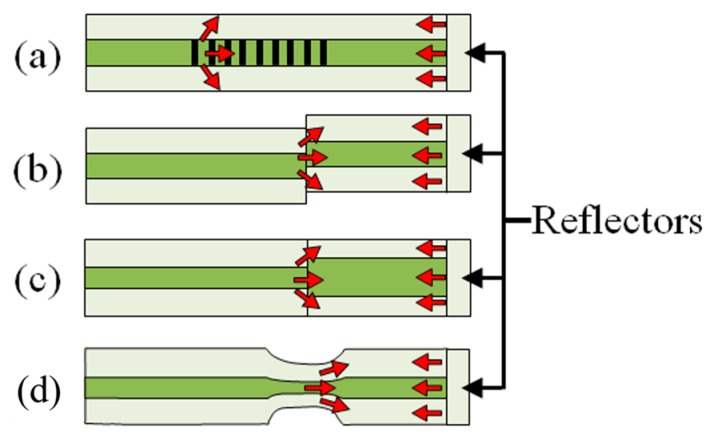
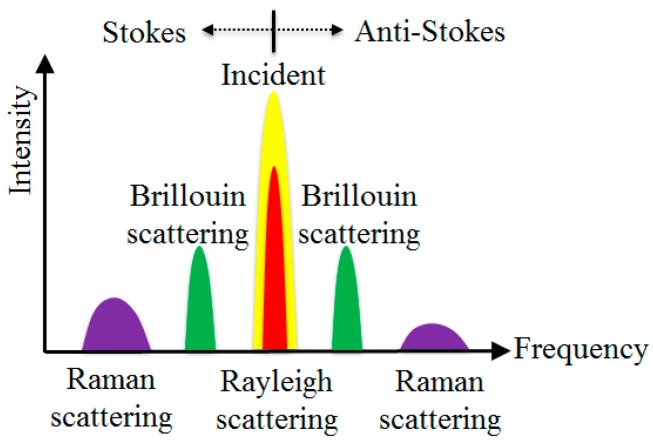
Reliable and accurate measurements of temperature and strain in structures subjected to fire can be difficult to obtain using traditional sensing technologies based on electrical signals. Fiber optic sensors, which are based on light signals, solve many of the problems of monitoring structures in high temperature environments; however, they present their own challenges. This paper, which is intended for structural engineers new to fiber optic sensors, reviews various fiber optic sensors that have been used to make measurements in structure fires, including the sensing principles, fabrication, key characteristics, and recently-reported applications. Three categories of fiber optic sensors are reviewed: Grating-based sensors, interferometer sensors, and distributed sensors.
在火灾作用下的结构中,可靠且精确的温度和应变测量很难通过传统的电信号传感技术实现。光纤传感器基于光信号,解决了高温环境下结构监测的许多问题;然而,它们也带来了自身的挑战。本文面向初次接触光纤传感器的结构工程师,综述了各种已用于结构火灾测量的光纤传感器,包括传感原理、制作、关键特性以及最近报道的应用。本文综述了三类光纤传感器:光栅传感器、干涉仪传感器和分布式传感器。