Department of Respiratory Medicine, Faculty of Medicine and Graduate School of Medicine, Hokkaido University, Sapporo, Hokkaido, Japan.
Center for Clinical Genomics, Kanazawa Medical University Hospital, Ishikawa, Japan.
PLoS One. 2019 Feb 22;14(2):e0212370. doi: 10.1371/journal.pone.0212370. eCollection 2019.
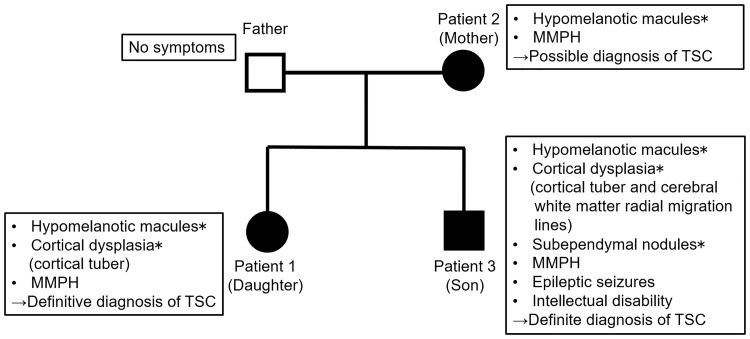
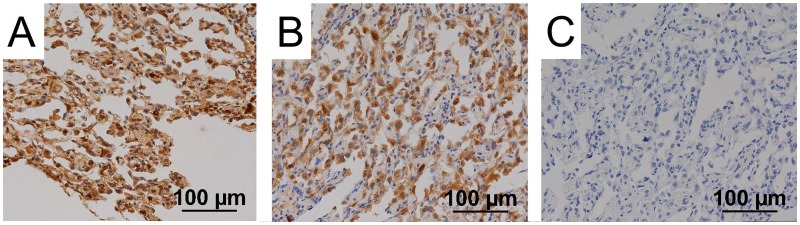
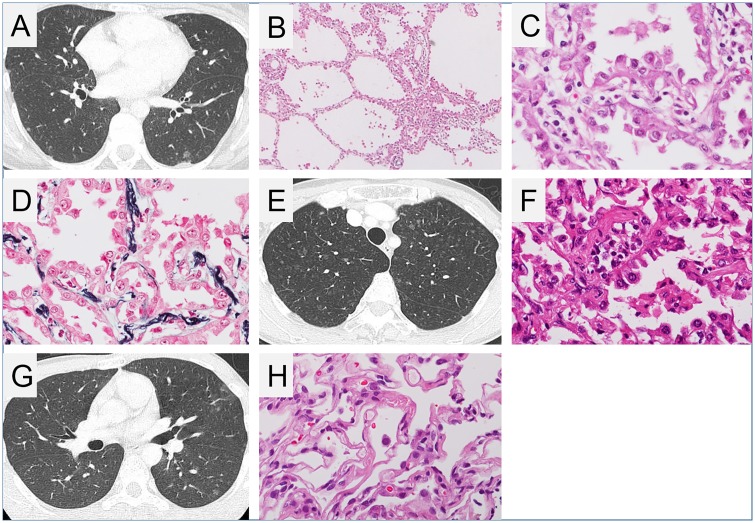
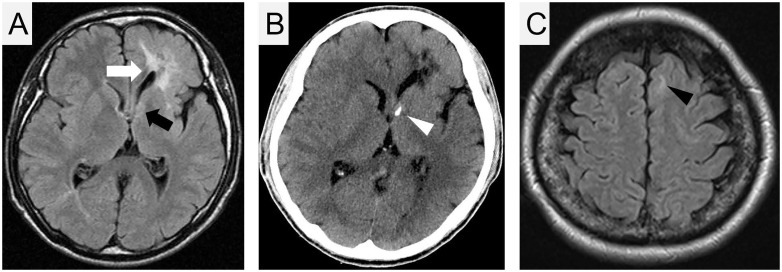
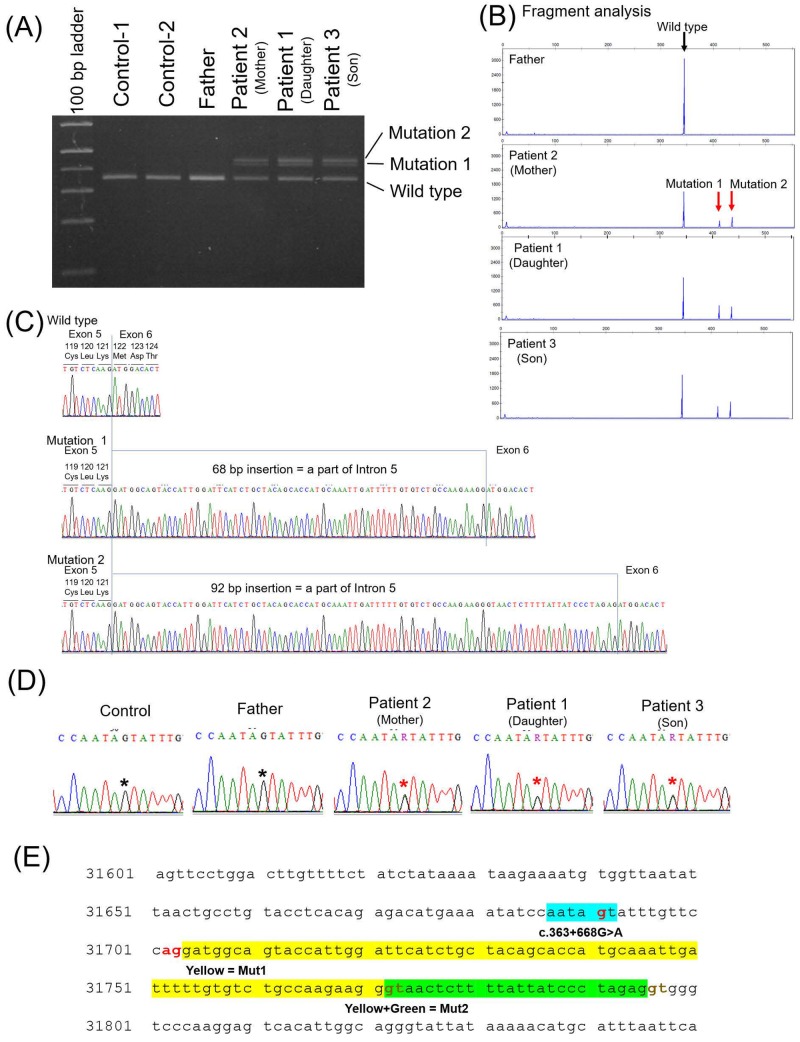
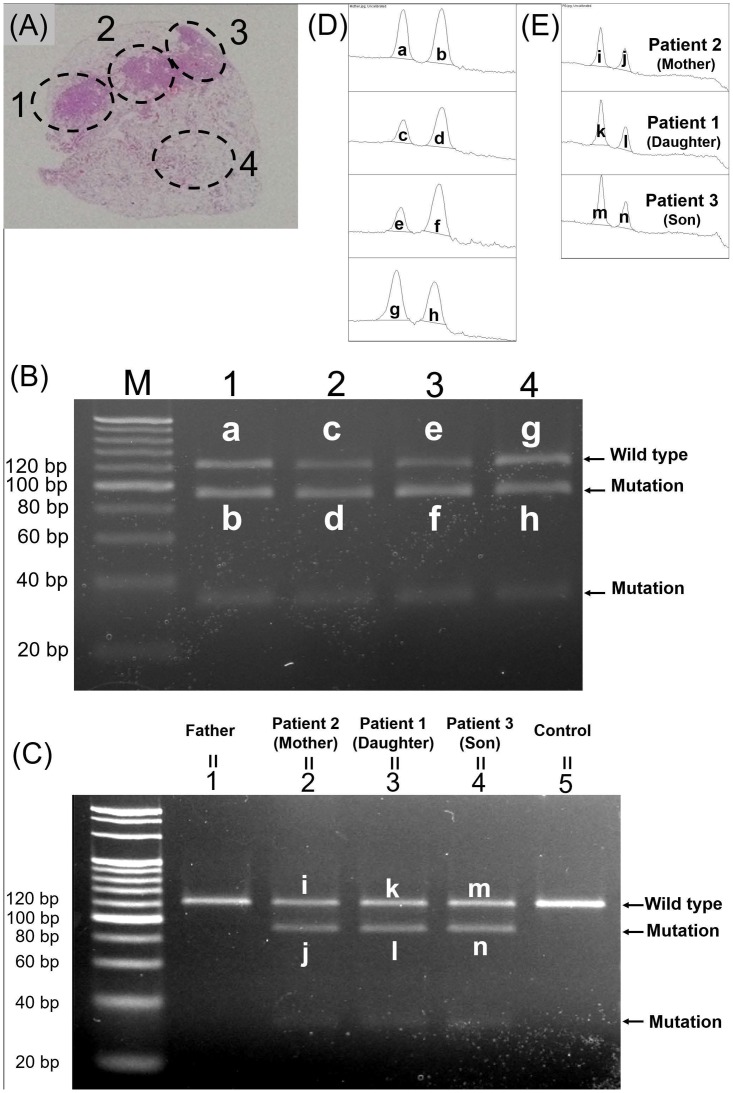
Multifocal micronodular pneumocyte hyperplasia (MMPH) is a rare pulmonary disease, generally manifesting as a tuberous sclerosis complex (TSC), characterised by multiple, small ground-glass nodular shadows on chest computed tomography (CT). Histological examination typically reveals multicentric, well-demarcated, nodular type II pneumocystic growth. Herein, we describe three cases of this rare pulmonary disease occurring within one family. Using reverse transcription polymerase chain reaction (RT-PCR) and direct DNA sequencing, we identified a novel germline mutation, a point mutation in TSC1 intron 5, which yielded a splice variant and loss of function of TSC1. Furthermore, immunohistochemical staining indicated the expression of phospho-p70S6K and phospho-4E-BP1, suggesting that TSC1 function was impaired by the novel gene mutation in MMPH cells.
多灶性微结节性肺泡细胞增生症(MMPH)是一种罕见的肺部疾病,通常表现为结节性硬化症复合征(TSC),其特征是胸部计算机断层扫描(CT)上存在多个、小的磨玻璃结节状阴影。组织学检查通常显示多中心、边界清楚的结节型 II 型肺泡细胞增生。本文描述了一家族中发生的三例这种罕见的肺部疾病。通过逆转录聚合酶链反应(RT-PCR)和直接 DNA 测序,我们鉴定出一种新型胚系突变,即 TSC1 内含子 5 中的点突变,导致剪接变异体和 TSC1 功能丧失。此外,免疫组织化学染色表明磷酸化-p70S6K 和磷酸化-4E-BP1 的表达,提示 MMPH 细胞中的新型基因突变导致 TSC1 功能受损。