Vos J J, Ellermann S F, Scheeren T W L
Department of Anesthesiology, University of Groningen, University Medical Center Groningen, Hanzeplein 1, PO Box 30.001, 9700RB, Groningen, The Netherlands.
J Clin Monit Comput. 2019 Apr;33(2):201-209. doi: 10.1007/s10877-019-00270-7. Epub 2019 Feb 11.
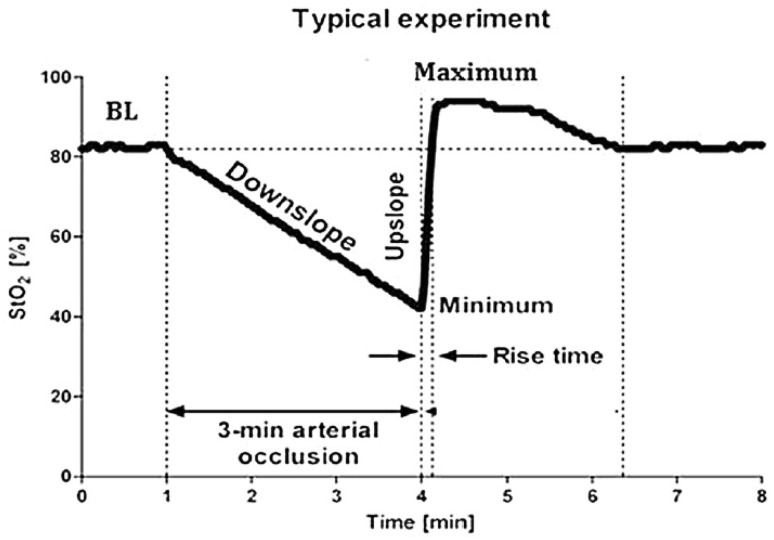
The microcirculation is the ultimate goal of hemodynamic optimization in the perioperative and critical care setting. In this fourth end-of-year summary of the Journal of Clinical Monitoring and Computing on this topic, we take a closer look at papers published in the last 2 years that focus on this important aspect. The majority of these papers investigated the use of either cerebral or peripheral tissue oxygen saturation, derived non-invasively using near infrared spectroscopy (NIRS). In some of these studies, the microcirculation was "provocated" by inducing short-term tissue hypoxia, allowing the assessment of functional microvascular reserve. Additionally, studies on technical differences between NIRS monitors are summarized, as well as studies investigating the feasibility of NIRS monitoring, mainly in the pediatric patient population. Last but not least, novel monitoring tools allow assessing oxygenation at a (sub)cellular level, and those papers incorporating these techniques are also reviewed here.
微循环是围手术期和重症监护环境中血流动力学优化的最终目标。在《临床监测与计算杂志》关于该主题的第四份年终总结中,我们仔细研究了过去两年发表的聚焦于这一重要方面的论文。这些论文中的大多数研究了使用近红外光谱(NIRS)无创获取的大脑或外周组织氧饱和度。在其中一些研究中,通过诱导短期组织缺氧来“激发”微循环,从而评估功能性微血管储备。此外,还总结了关于NIRS监测仪技术差异的研究,以及主要针对儿科患者群体研究NIRS监测可行性的研究。最后但同样重要的是,新型监测工具能够在(亚)细胞水平评估氧合情况,本文也对纳入这些技术的论文进行了综述。