Department of Neuroscience, University of Minnesota, Minneapolis, Minnesota.
Laboratory of Experimental Neurophysiology, Hospital Nacional de Parapléjicos, Toledo, Spain.
Glia. 2019 Jun;67(6):1076-1093. doi: 10.1002/glia.23589. Epub 2019 Feb 23.
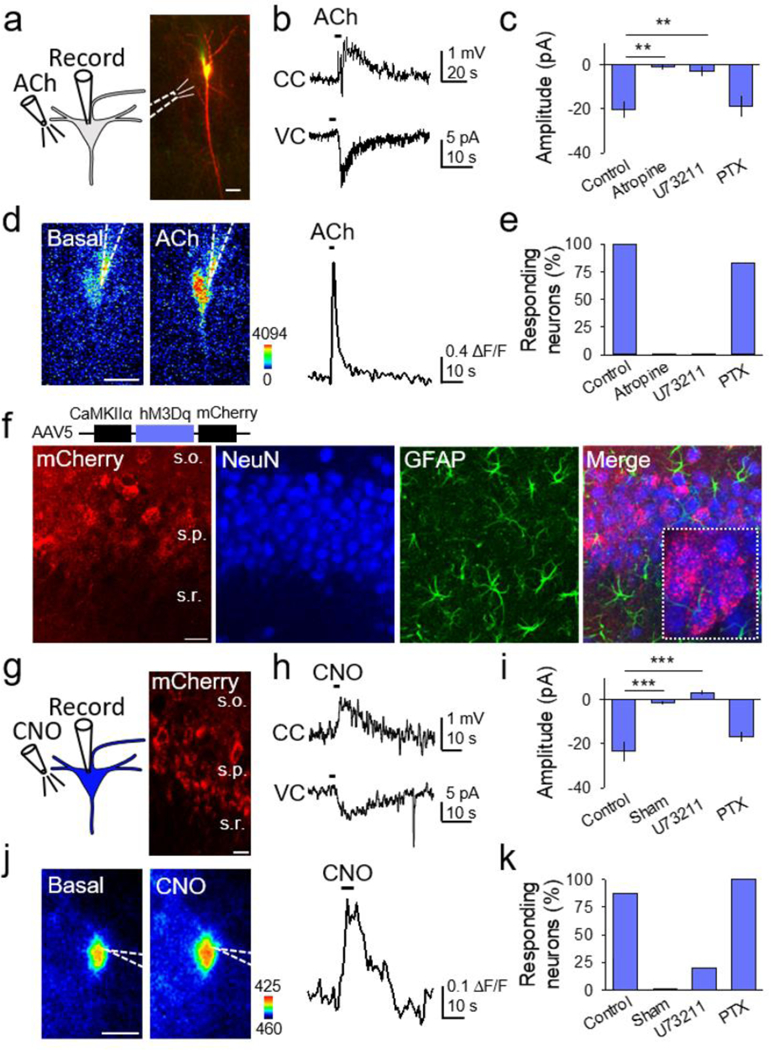
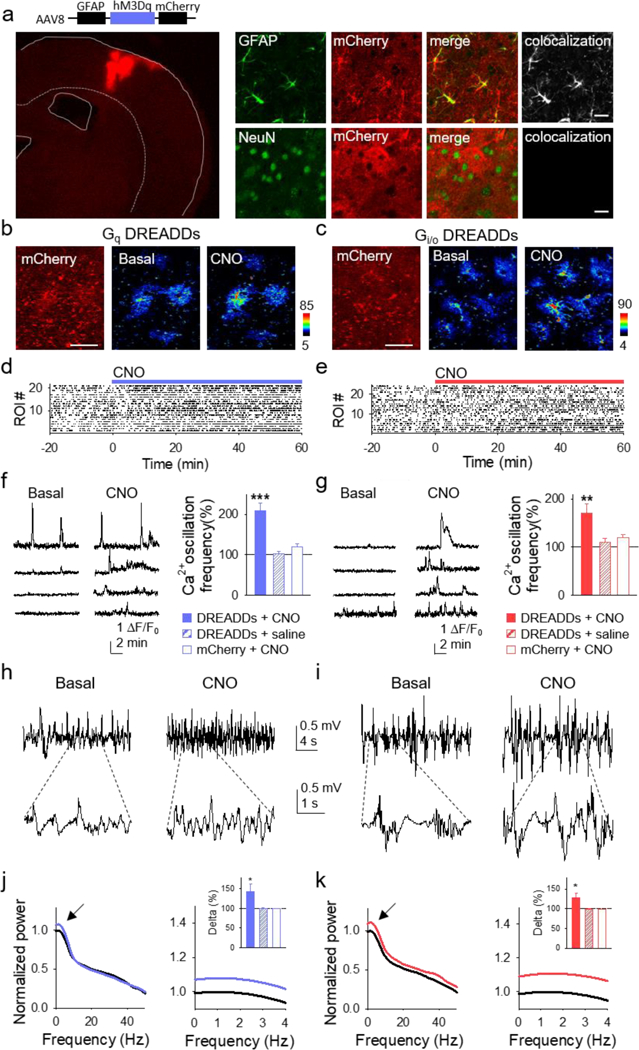
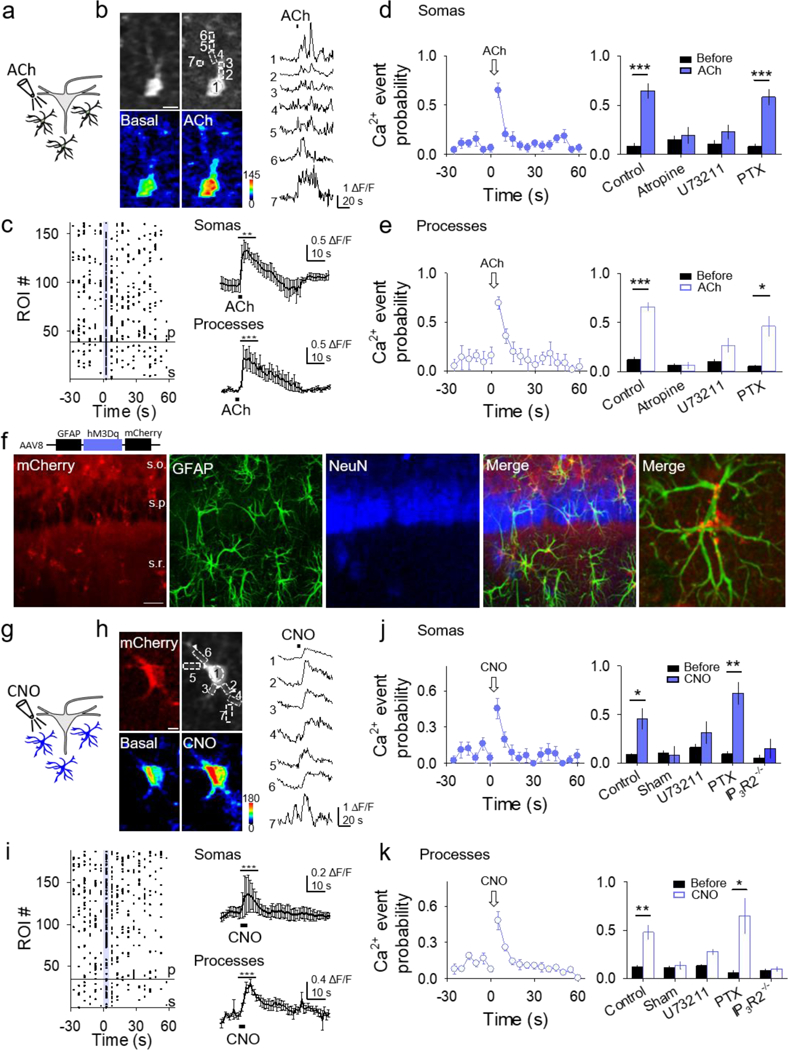
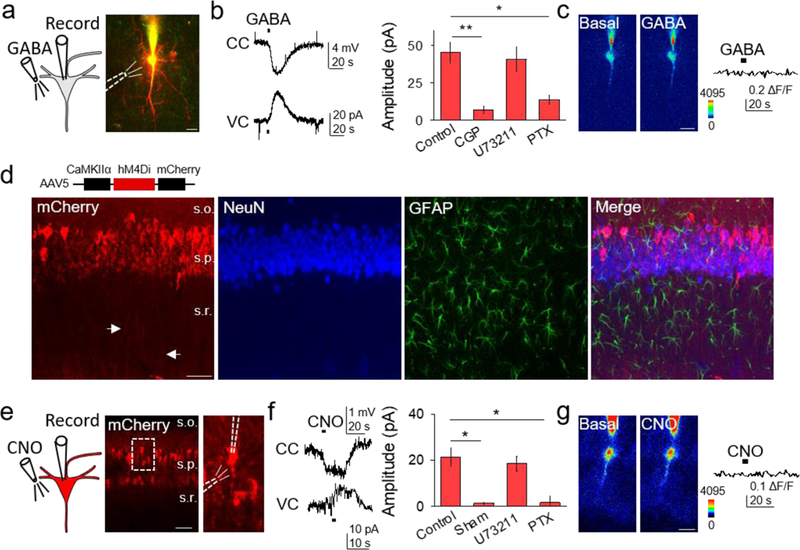
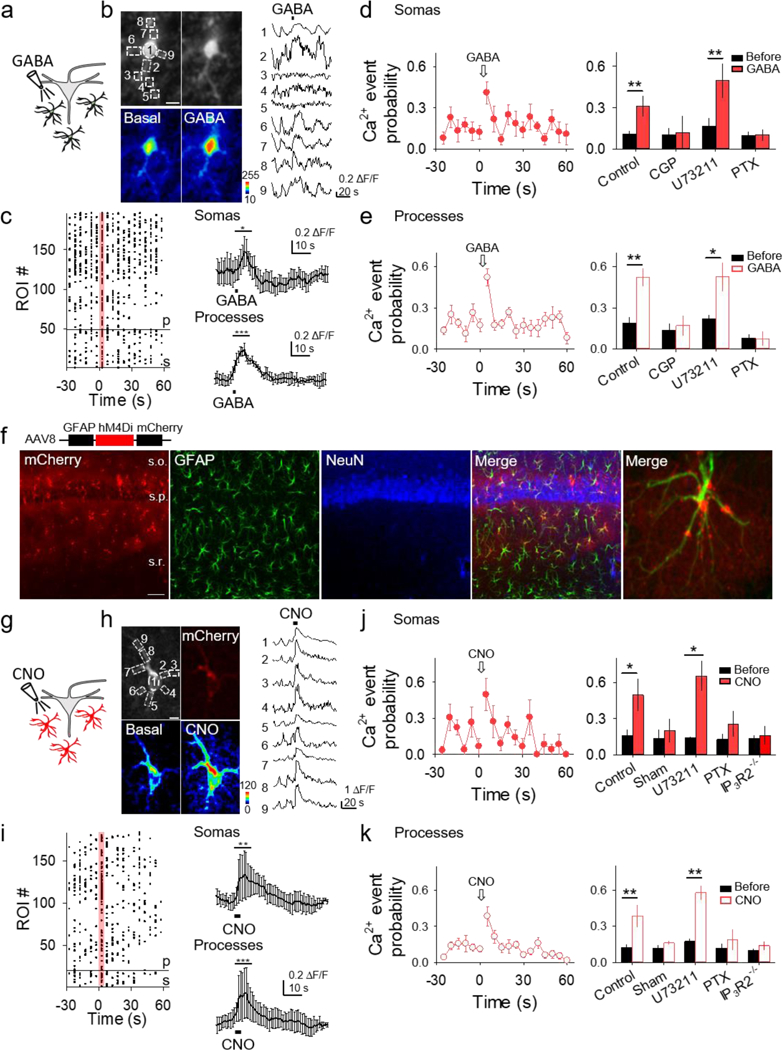
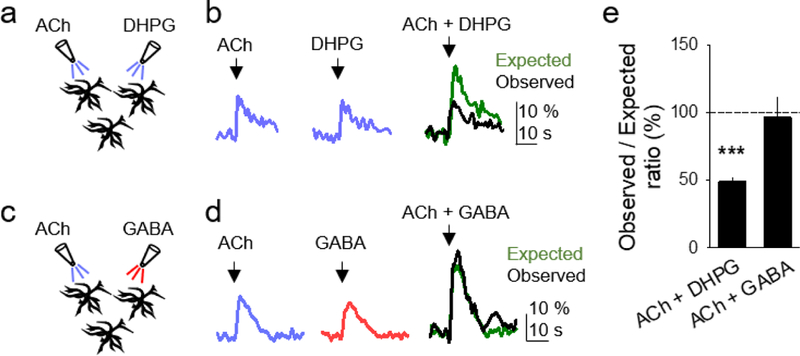
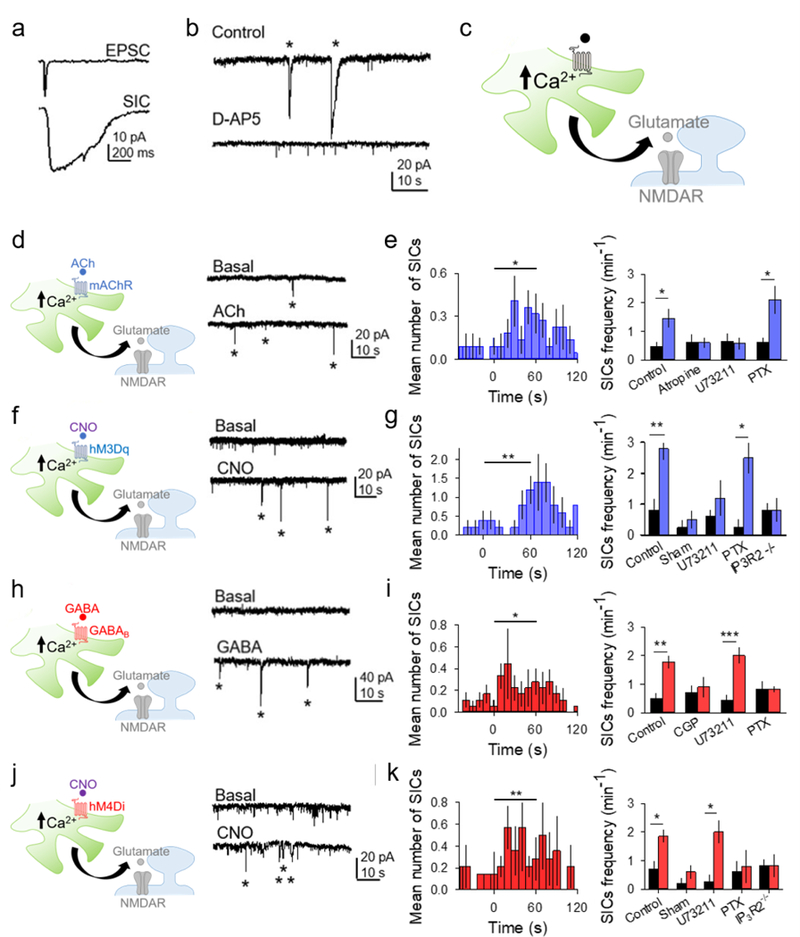
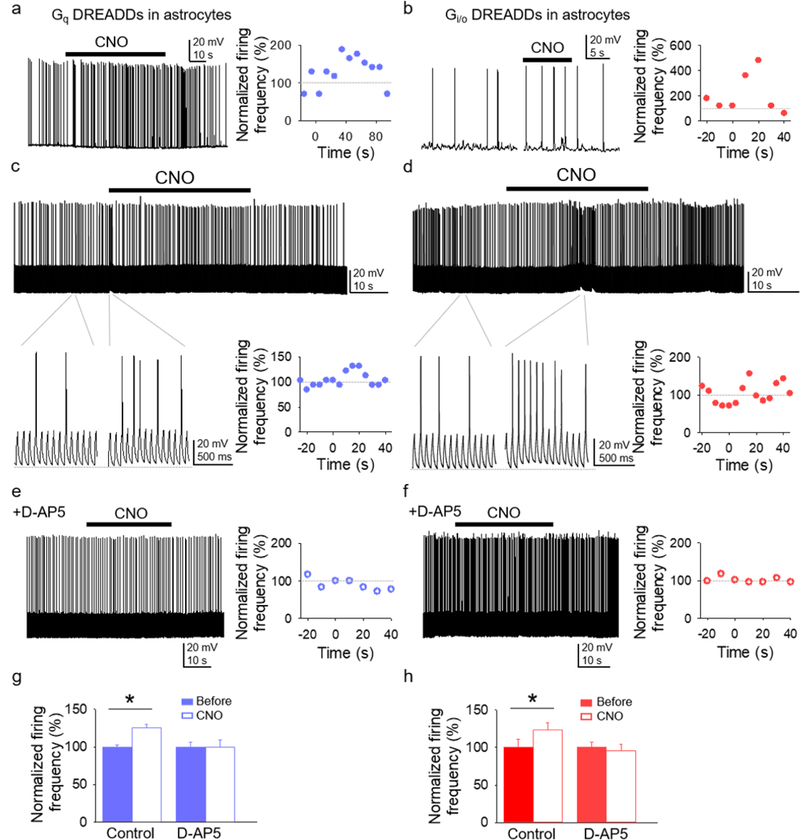
G protein-coupled receptors (GPCRs) play key roles in intercellular signaling in the brain. Their effects on cellular function have been largely studied in neurons, but their functional consequences on astrocytes are less known. Using both endogenous and chemogenetic approaches with DREADDs, we have investigated the effects of G and G GPCR activation on astroglial Ca -based activity, gliotransmitter release, and the functional consequences on neuronal electrical activity. We found that while G GPCR activation led to cellular activation in both neurons and astrocytes, G GPCR activation led to cellular inhibition in neurons and cellular activation in astrocytes. Astroglial activation by either G or G protein-mediated signaling stimulated gliotransmitter release, which increased neuronal excitability. Additionally, activation of G and G DREADDs in vivo increased astrocyte Ca activity and modified neuronal network electrical activity. Present results reveal additional complexity of the signaling consequences of excitatory and inhibitory neurotransmitters in astroglia-neuron network operation and brain function.
G 蛋白偶联受体 (GPCRs) 在大脑中的细胞间信号转导中发挥着关键作用。它们对细胞功能的影响在神经元中得到了广泛研究,但它们对星形胶质细胞的功能影响知之甚少。我们使用 DREADD 的内源性和化学遗传学方法,研究了 G 和 G GPCR 激活对星形胶质细胞钙基活性、神经递质释放以及对神经元电活动的功能后果的影响。我们发现,虽然 G GPCR 激活导致神经元和星形胶质细胞的细胞激活,但 G GPCR 激活导致神经元的细胞抑制和星形胶质细胞的细胞激活。无论是 G 蛋白还是 G 蛋白介导的信号转导激活星形胶质细胞,都会刺激神经递质的释放,从而增加神经元的兴奋性。此外,体内激活 G 和 G DREADD 会增加星形胶质细胞 Ca 活动并改变神经元网络的电活动。目前的结果揭示了兴奋性和抑制性神经递质在星形胶质细胞-神经元网络功能和大脑功能中的信号转导后果的更多复杂性。