Paoletti Matteo, Pichiecchio Anna, Cotti Piccinelli Stefano, Tasca Giorgio, Berardinelli Angela L, Padovani Alessandro, Filosto Massimiliano
Neuroradiology Department, IRCCS Mondino Foundation, Pavia, Italy.
Department of Brain and Behavioural Sciences, University of Pavia, Pavia, Italy.
Front Neurol. 2019 Feb 11;10:78. doi: 10.3389/fneur.2019.00078. eCollection 2019.
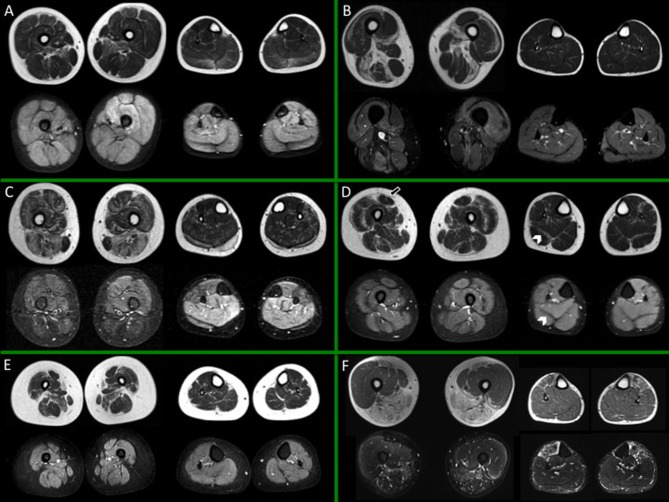
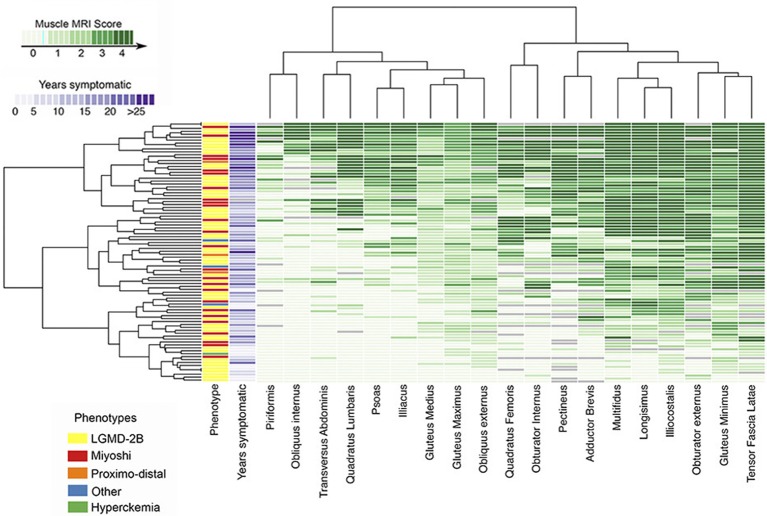
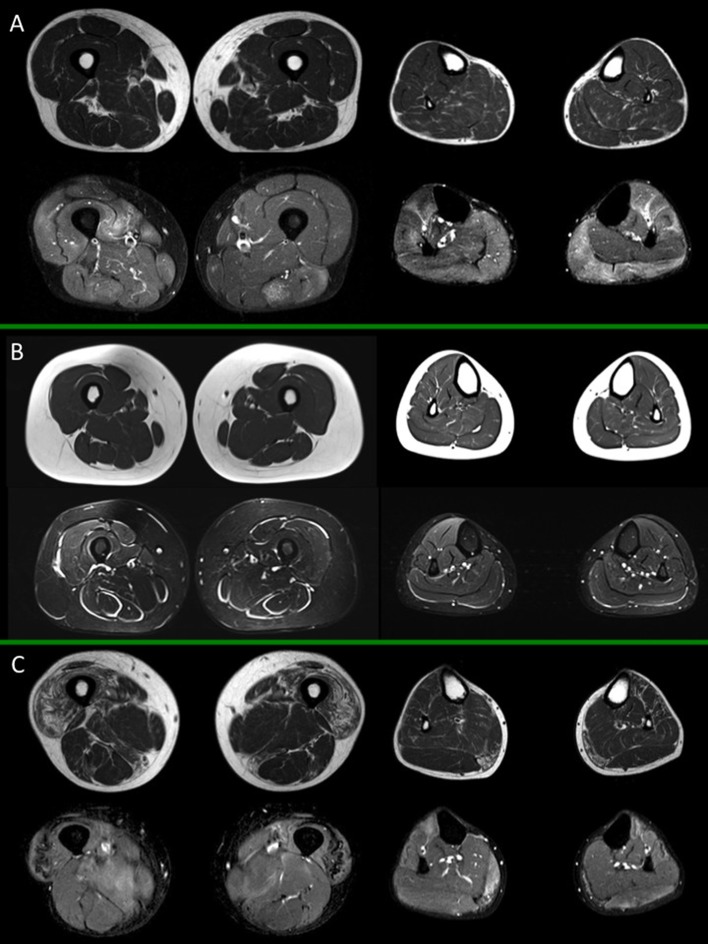
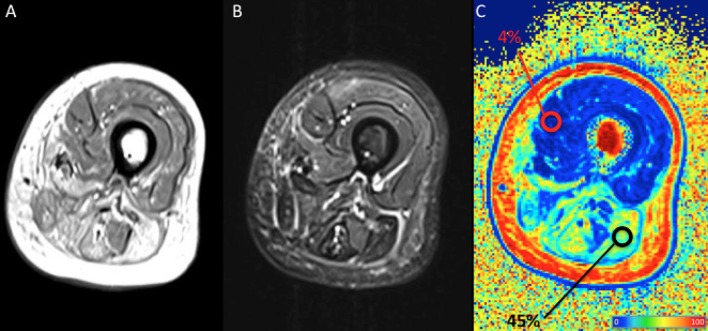
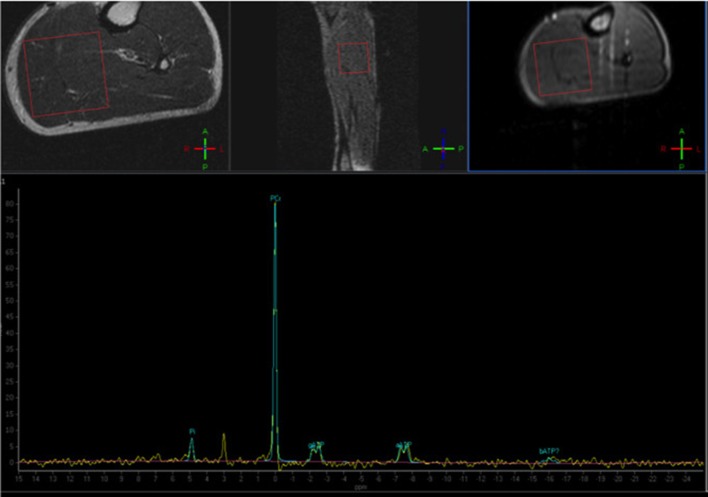
In the last years, magnetic resonance imaging (MRI) has become fundamental for the diagnosis and monitoring of myopathies given its ability to show the severity and distribution of pathology, to identify specific patterns of damage distribution and to properly interpret a number of genetic variants. The advances in MR techniques and post-processing software solutions have greatly expanded the potential to assess pathological changes in muscle diseases, and more specifically of myopathies; a number of features can be studied and quantified, ranging from composition, architecture, mechanical properties, perfusion, and function, leading to what is known as quantitative MRI (qMRI). Such techniques can effectively provide a variety of information beyond what can be seen and assessed by conventional MR imaging; their development and application in clinical practice can play an important role in the diagnostic process and in assessing disease course and treatment response. In this review, we briefly discuss the current role of muscle MRI in diagnosing muscle diseases and describe in detail the potential and perspectives of the application of advanced qMRI techniques in this field.
在过去几年中,磁共振成像(MRI)因其能够显示病变的严重程度和分布、识别特定的损伤分布模式以及正确解读多种基因变异,已成为诊断和监测肌病的重要手段。磁共振技术和后处理软件解决方案的进步极大地扩展了评估肌肉疾病(尤其是肌病)病理变化的潜力;可以研究和量化许多特征,包括成分、结构、力学性能、灌注和功能,从而形成了所谓的定量MRI(qMRI)。这些技术能够有效地提供常规磁共振成像所无法看到和评估的各种信息;它们在临床实践中的发展和应用在诊断过程以及评估疾病进程和治疗反应方面可以发挥重要作用。在本综述中,我们简要讨论了肌肉MRI在诊断肌肉疾病中的当前作用,并详细描述了先进的qMRI技术在该领域应用的潜力和前景。