Hansen Ernil, Zech Nina
Department of Anesthesiology, University Hospital Regensburg, Regensburg, Germany.
Front Pharmacol. 2019 Feb 13;10:77. doi: 10.3389/fphar.2019.00077. eCollection 2019.
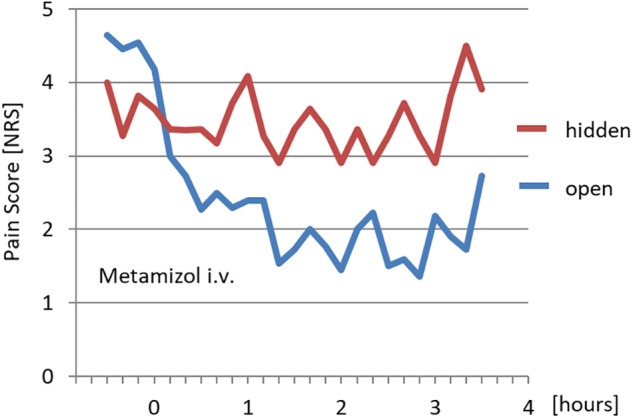
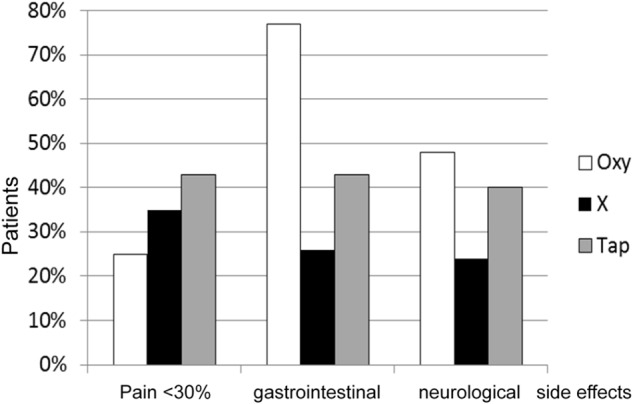
Medical situations are hot spots in the life of a patient with potentially long lasting effects arising from the use of either negative expressions or encouraging statements, or the lack of empathy or a positive physician-patient relationship. Health care personnel should be aware of and evaluate what patients are exposed to, hear and see. Knowing more about the effects of nocebos and negative suggestions, combined with increased attention to these matters, provides the basis for better recognition of detrimental influences in their own clinical environment and to be able to avoid, stop or neutralize them. After anamnesis patients should not be left with a focus on a negative past, but shifted to positive experiences prior to their illness, or to positive expectations in the future following surgery and rehabilitation. For example, after examining an injured leg the doctor should not turn to the computer for documentation unless he has shifted the patient's focus on the other, unimpaired leg. "Is that painful too? No? Good! Can you feel that? Yes? Perfect! Can you bend that knee, move these toes? Great! That's good." This example draws attention to the fact that negative effects (discussed in the following) substantially are dependent on the focus of the patient and thus can be affected by focus shift and distraction. Patients, their symptoms and their healing are negatively affected by the omission of placebo effects, by nocebo effects and by negative suggestions.
医疗情境是患者生活中的热点,使用负面表述、鼓励性语句,缺乏同理心或良好的医患关系都可能产生持久影响。医护人员应意识到并评估患者所接触、听到和看到的内容。了解更多关于反安慰剂效应和负面暗示的影响,并增加对这些问题的关注,为更好地识别自身临床环境中的有害影响并能够避免、阻止或消除这些影响提供了基础。问诊后,不应让患者一直关注负面的过去,而应转向患病前的积极经历,或术后及康复后的积极未来期望。例如,检查受伤的腿部后,医生不应直接转向电脑进行记录,除非他已将患者的注意力转移到另一条未受伤的腿上。“那条腿也疼吗?不疼?很好!你能感觉到这个吗?能?太棒了!你能弯曲那条膝盖、活动这些脚趾吗?很好!这就不错。”这个例子表明,负面效应(将在下文讨论)很大程度上取决于患者的关注点,因此可以通过转移关注点和分散注意力来加以影响。安慰剂效应的缺失、反安慰剂效应和负面暗示都会对患者、他们的症状及康复产生负面影响。