Department of Health Policy, National Center for Child Health and Development, Tokyo, Japan.
MaMoni HSS Project, Save the Children International, Dhaka, Bangladesh.
PLoS One. 2019 Feb 28;14(2):e0212847. doi: 10.1371/journal.pone.0212847. eCollection 2019.
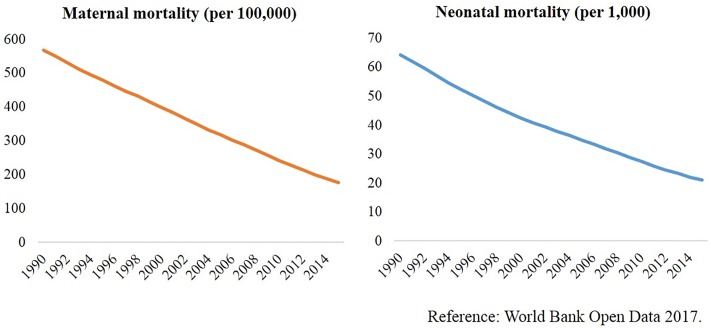
Although achieved development goals on maternal and child health, in the era of Sustainable Development Goals (SDGs), Bangladesh still needs to promote skilled attendance at birth as well as a continuum of care for mothers and babies. How to implement effective interventions by strengthening the community health system also remains as a crucial policy issue. The objective of the proposed study is to evaluate the impact of a community-based intervention as part of a bilateral development aid project on utilization of maternal and neonatal care provided by skilled providers and qualified facilities.
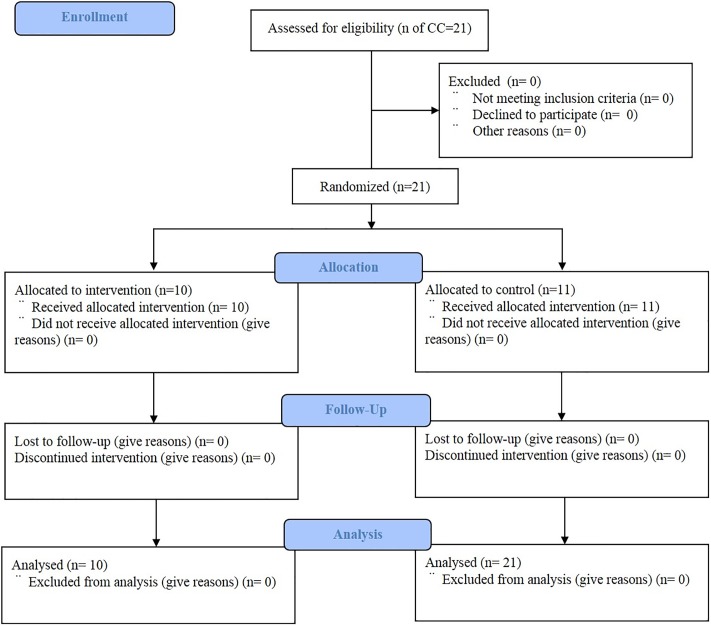
A cluster randomized trial was conducted in Kalaroa Upazila of Satkhira District. Community Clinics (CCs) in the study setting were randomly allocated to either intervention or control. We recruited all eligible women covered by CC catchment areas who gave a birth during the past 12 months of data collection at the baseline and end-line surveys. In the intervention areas, three Community Support Groups (CSGs) were developed in each of the CC areas. The members of CSG were trained to identify pregnant women, educate community people on pregnancy related danger signs, and encourage them for utilization of skilled services in the community and health facilities. The primary outcomes were the utilization of services for antenatal care, delivery, postnatal care and sick newborns. Difference-in-Difference (DID) analysis was performed to identify the changes by the intervention with adjustment of cluster effects by generalized mixed effects regression models.
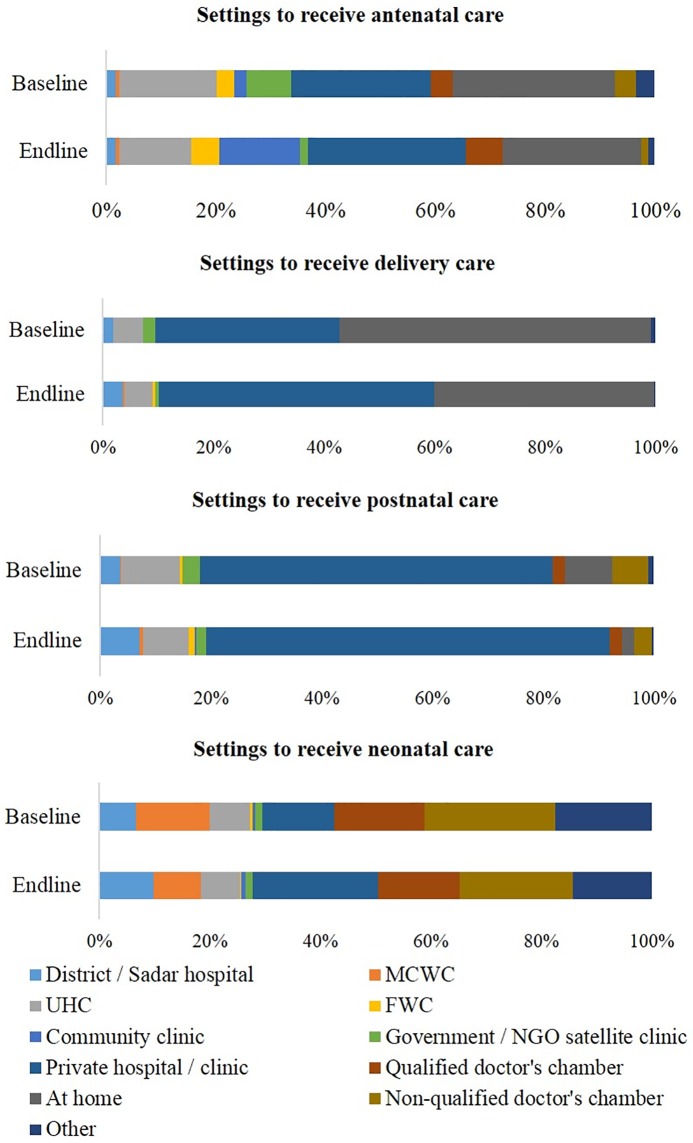
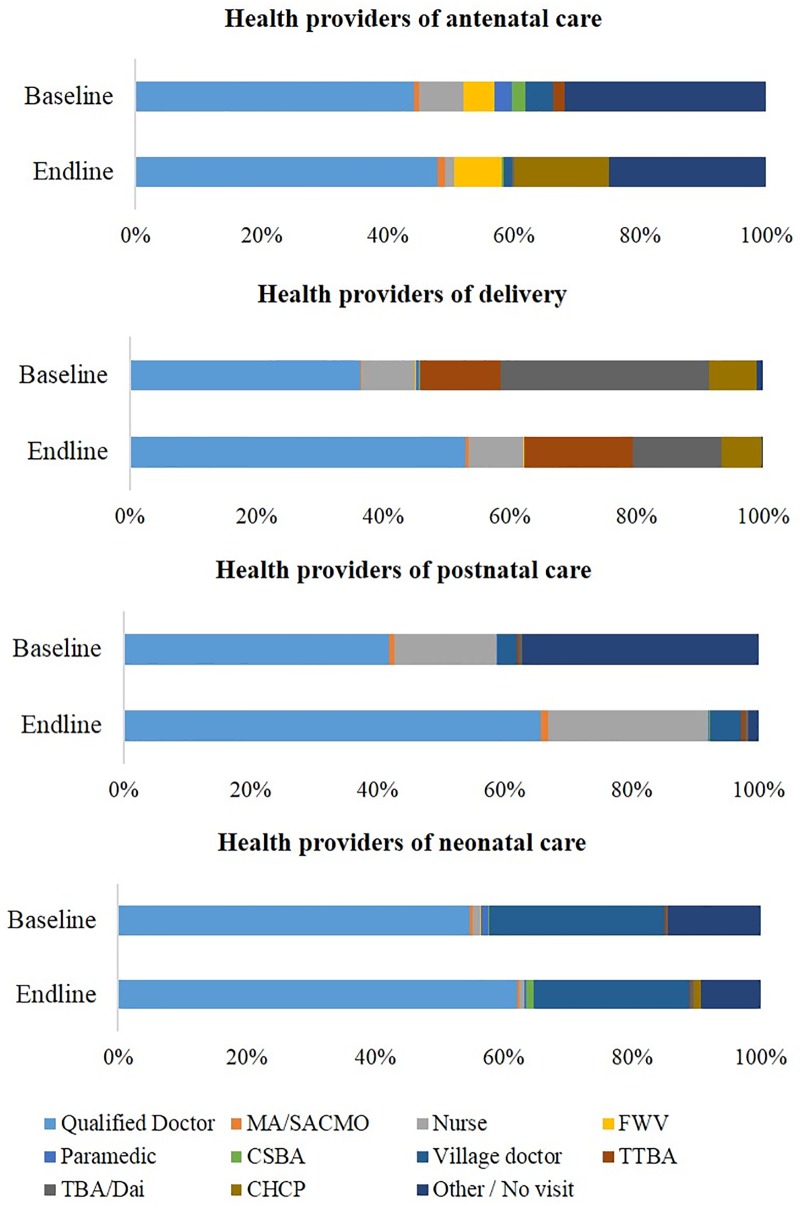
The major indicators of the utilization of maternal and neonatal care among pregnant women with different wealth status showed significant improvement after the intervention. The impacts of the intervention were in particular significant among the women of 2nd and 3rd quintiles of household wealth status. The use of CCs increased after the intervention and private hospitals / clinics served as the major health providers. The study also identified increased practices of cesarean section.
The success of the intervention suggests a potential of the government efforts to strengthen the community support system for promotion of safe motherhood. The intervention helps to identify and remove existing and emerging barriers that lie between women and healthcare providers for safe motherhood and continuum of care.
UMIN Clinical Trial Registry UMIN000031789.
尽管在母婴健康方面取得了发展目标,但在可持续发展目标(SDGs)时代,孟加拉国仍需促进熟练的分娩护理以及母婴保健的连续性。如何通过加强社区卫生系统来实施有效的干预措施,仍然是一个关键的政策问题。本研究的目的是评估作为双边发展援助项目的一部分的基于社区的干预措施对利用熟练提供者和合格设施提供的母婴保健的影响。
在 Satkhira 区的 Kalaroa 乌帕齐拉进行了一项集群随机试验。研究设置中的社区诊所(CC)被随机分配到干预组或对照组。我们招募了所有在基线和终点调查期间在 CC 集水区内生育的合格妇女。在干预区,每个 CC 区都成立了三个社区支持小组(CSG)。CSG 的成员接受培训,以识别孕妇,向社区居民宣传与妊娠相关的危险信号,并鼓励他们在社区和卫生设施中使用熟练服务。主要结果是产前护理、分娩、产后护理和新生儿疾病的服务利用情况。采用差异分析(DID)方法,通过广义混合效应回归模型调整集群效应,确定干预后的变化。
不同财富状况孕妇的母婴保健利用的主要指标在干预后显著改善。干预对家庭财富状况处于第 2 和第 3 五分位数的妇女的影响尤为显著。干预后 CC 的使用增加了,而私立医院/诊所成为主要的医疗服务提供者。研究还发现剖腹产的做法有所增加。
干预的成功表明,政府加强促进安全孕产的社区支持系统的努力具有潜力。干预有助于发现和消除妇女与保健提供者之间在安全孕产和保健连续性方面存在的和新出现的障碍。
UMIN 临床试验注册 UMIN000031789。