Wei Hui, Yang Yongfu, Himmel Michael E, Tucker Melvin P, Ding Shi-You, Yang Shihui, Arora Rajeev
National Renewable Energy Laboratory, Biosciences Center, Golden, CO, United States.
Department of Horticulture, Iowa State University, Ames, IA, United States.
Front Bioeng Biotechnol. 2019 Feb 21;7:30. doi: 10.3389/fbioe.2019.00030. eCollection 2019.
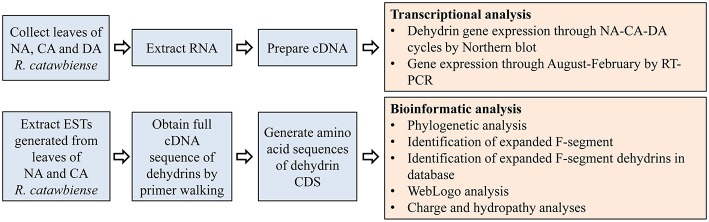
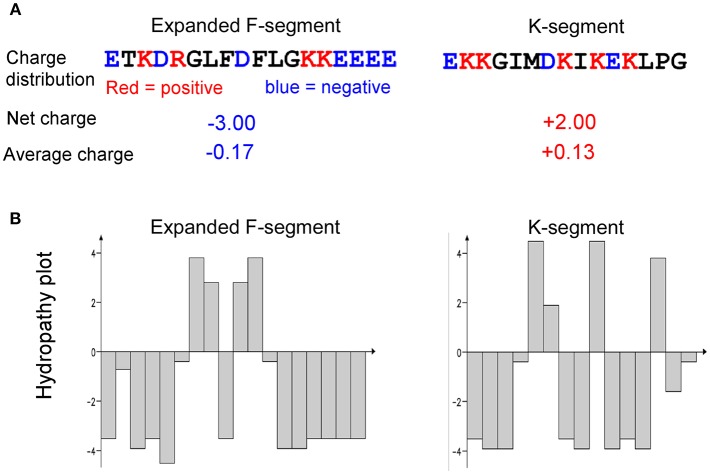
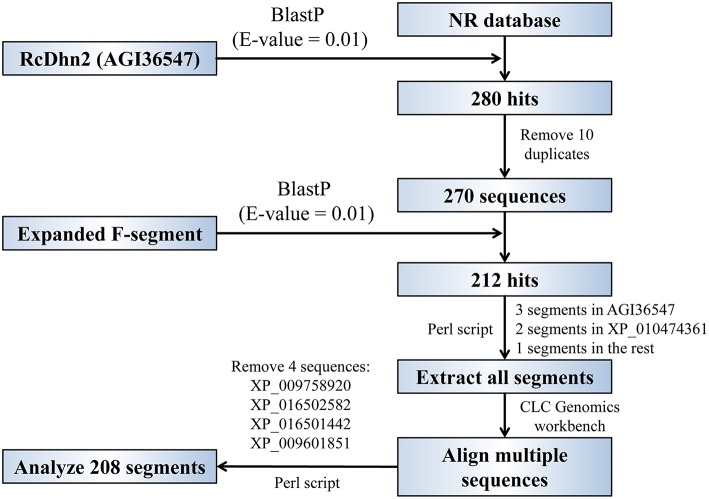
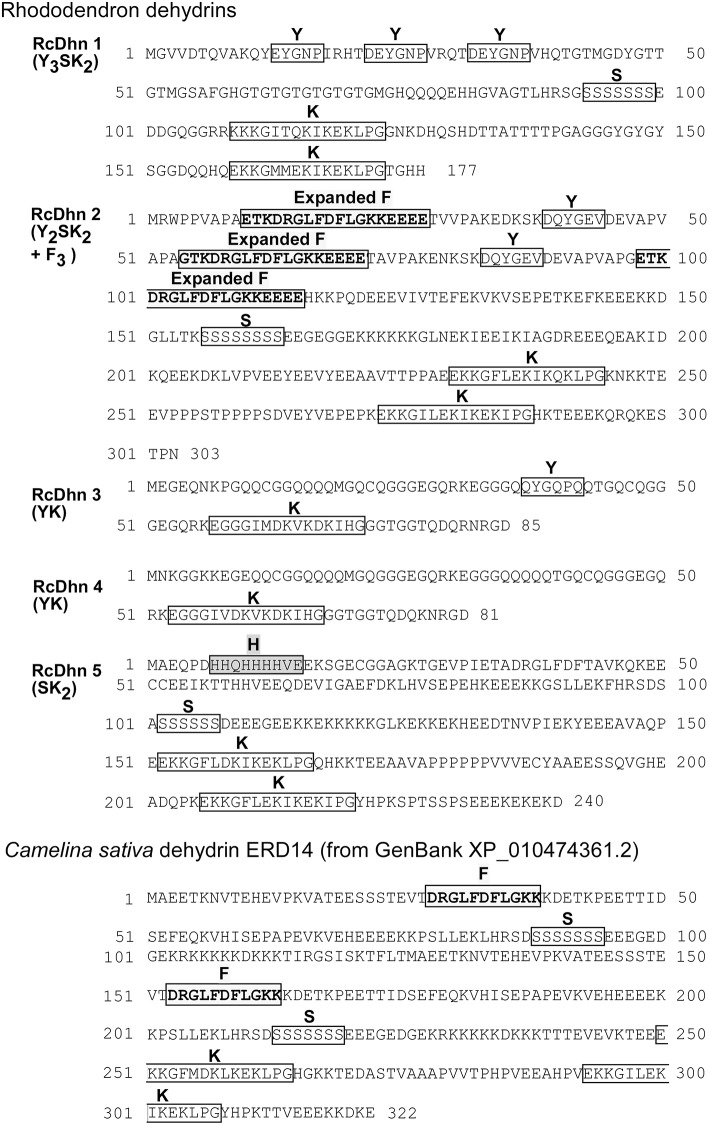
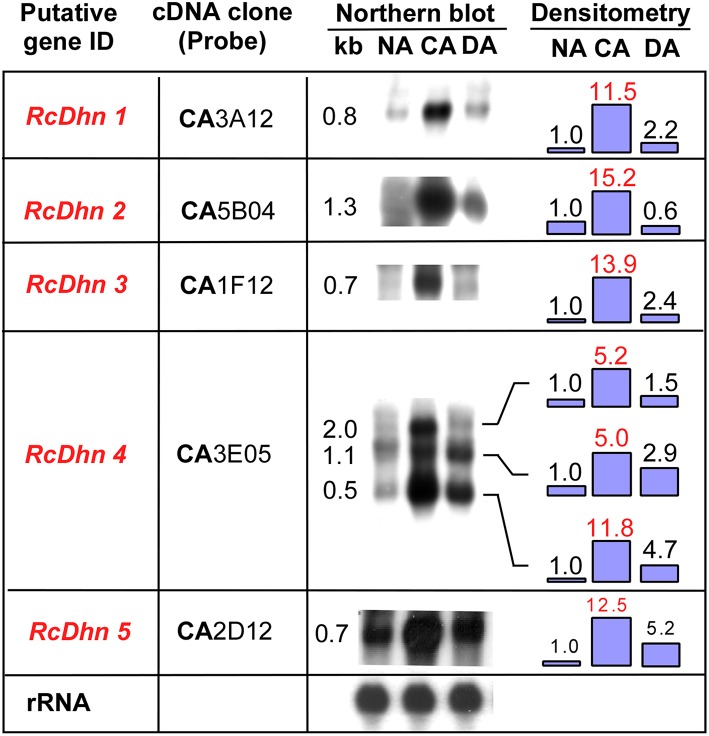
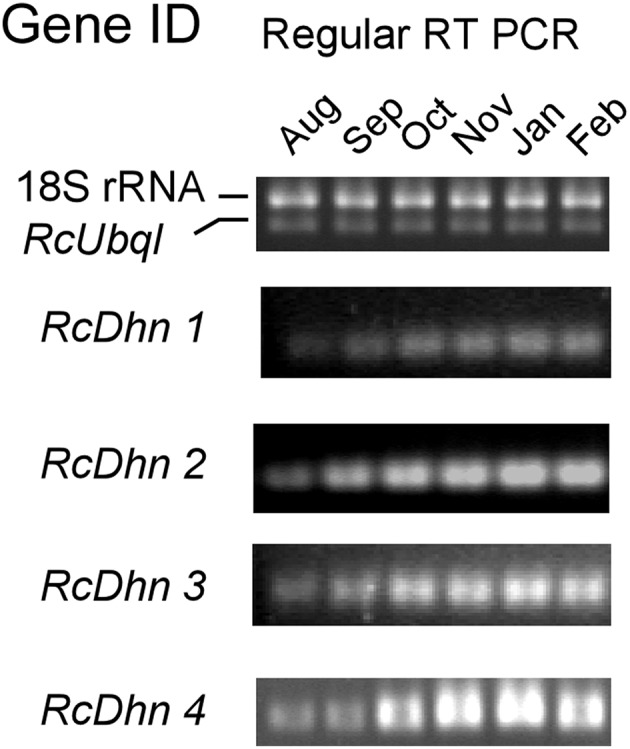
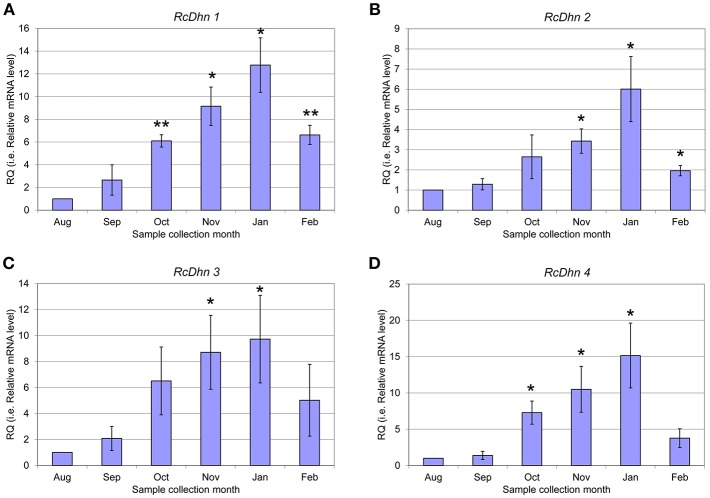
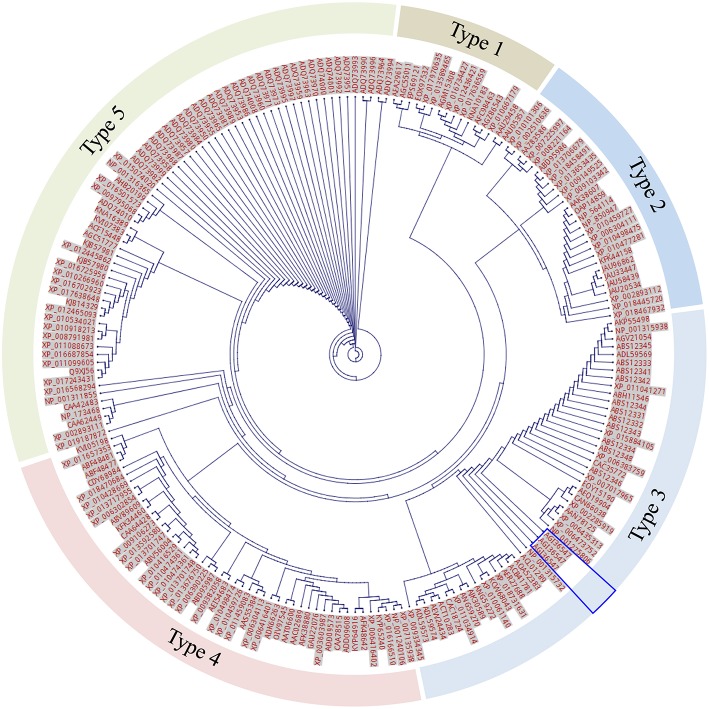
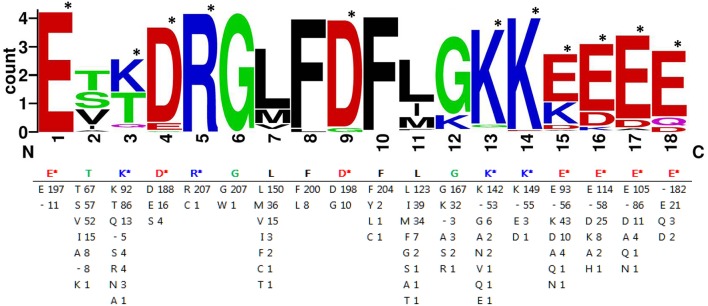
Dehydrins are a family of plant proteins that accumulate in response to dehydration stresses, such as low temperature, drought, high salinity, or during seed maturation. We have previously constructed cDNA libraries from leaves of naturally non-acclimated (NA; leaf LT, temperature that results in 50% injury of maximum, approximately -7°C) and cold-acclimated (CA; leaf LT approximately -50°C) plants and analyzed expressed sequence tags (ESTs). Five ESTs were identified as dehydrin genes. Their full-length cDNA sequences were obtained and designated as . To explore their functionality vis-à-vis winter hardiness, their seasonal expression kinetics was studied at two levels. Firstly, in leaves of collected from the NA, CA, and de-acclimated (DA) plants corresponding to summer, winter and spring, respectively. Secondly, in leaves collected monthly from August through February, which progressively increased freezing tolerance from summer through mid-winter. The expression pattern data indicated that had 6- to 15-fold up-regulation during the cold acclimation process, followed by substantial down-regulation during deacclimation (even back to NA levels for some). Interestingly, our data shows RcDhn 5 contains a histidine-rich motif near N-terminus, a characteristic of metal-binding dehydrins. Equally important, RcDhn 2 contains a consensus 18 amino acid sequence (i.e., ETKDRGLFDFLGKKEEEE) near the N-terminus, with two additional copies upstream, and it is the most acidic (pI of 4.8) among the five RcDhns found. The core of this consensus 18 amino acid sequence is a 11-residue amino acid sequence (DRGLFDFLGKK), recently designated in the literature as the F-segment (based on the pair of hydrophobic F residues it contains). Furthermore, the 208 orthologs of F-segment-containing RcDhn 2 were identified across a broad range of species in GenBank database. This study expands our knowledge about the types of F-segment from the literature-reported single F-segment dehydrins (FSK) to two or three F-segment dehydrins: dehydrin ERD14 as FSK type; and RcDhn 2 as FSK type identified here. Our results also indicate some consensus amino acid sequences flanking the core F-segment in dehydrins. Implications for these cold-responsive RcDhn genes in future genetic engineering efforts to improve plant cold hardiness are discussed.
脱水素是一类植物蛋白,它们在响应脱水胁迫时积累,如低温、干旱、高盐度或在种子成熟期间。我们之前从自然未驯化(NA;叶片致死温度,导致50%最大伤害时的温度,约为-7°C)和冷驯化(CA;叶片致死温度约为-50°C)植物的叶片构建了cDNA文库,并分析了表达序列标签(ESTs)。鉴定出5个ESTs为脱水素基因。获得了它们的全长cDNA序列并命名为 。为了探究它们相对于抗寒性的功能,在两个层面研究了它们的季节性表达动力学。首先,分别从对应于夏季、冬季和春季的NA、CA和脱驯化(DA)植物收集的叶片中进行研究。其次,在从8月到2月每月收集的叶片中进行研究,这些叶片从夏季到冬季中期逐渐提高抗冻性。表达模式数据表明, 在冷驯化过程中上调了6至15倍,随后在脱驯化期间大幅下调(甚至对于某些基因回到NA水平)。有趣的是,我们的数据显示RcDhn 5在N端附近含有一个富含组氨酸的基序,这是金属结合脱水素的一个特征。同样重要的是,RcDhn 2在N端附近含有一个共有18个氨基酸的序列(即ETKDRGLFDFLGKKEEEE),并且在其上游还有另外两个拷贝,它是所发现的五个RcDhns中酸性最强的(pI为4.8)。这个共有18个氨基酸序列的核心是一个11个残基的氨基酸序列(DRGLFDFLGKK),最近在文献中被指定为F片段(基于它所含的一对疏水F残基)。此外,在GenBank数据库中广泛的物种中鉴定出了含有F片段的RcDhn 2的208个直系同源物。这项研究将我们对文献报道的单F片段脱水素(FSK)类型的F片段类型的认识扩展到了两个或三个F片段脱水素:脱水素ERD14为FSK类型;以及这里鉴定的RcDhn 为FSK类型。我们的结果还表明了脱水素中核心F片段两侧的一些共有氨基酸序列。讨论了这些冷响应RcDhn基因在未来提高植物抗寒性的基因工程努力中的意义。