Pharmaceutical Sciences and Pharmacogenomics Graduate Program, University of California San Francisco, San Francisco, CA 94158, USA.
Department of Pharmaceutical Chemistry, University of California San Francisco, San Francisco, CA 94158, USA.
Cell Chem Biol. 2019 May 16;26(5):674-685.e6. doi: 10.1016/j.chembiol.2019.02.002. Epub 2019 Mar 7.
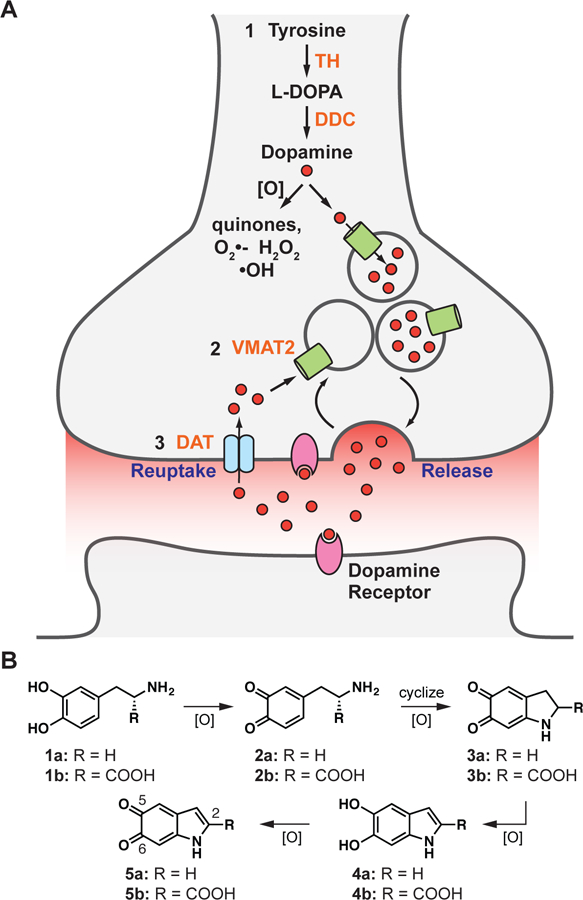
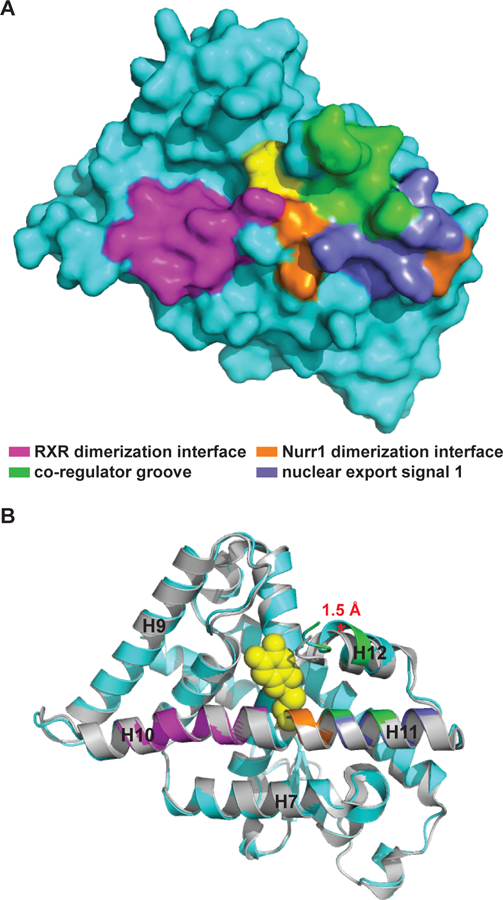
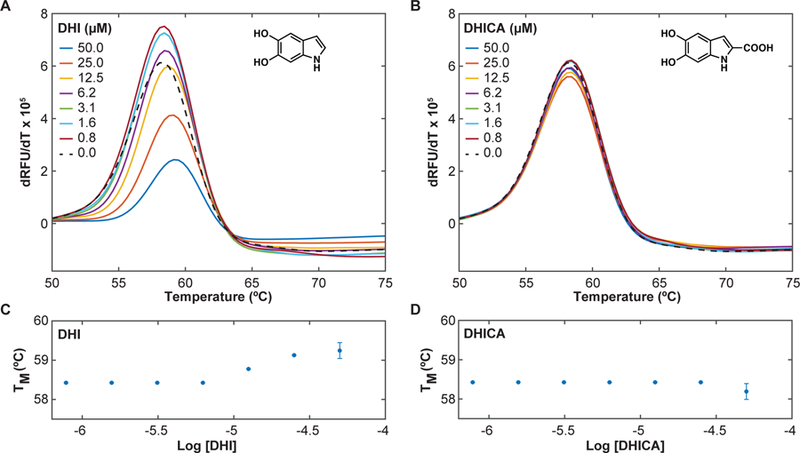
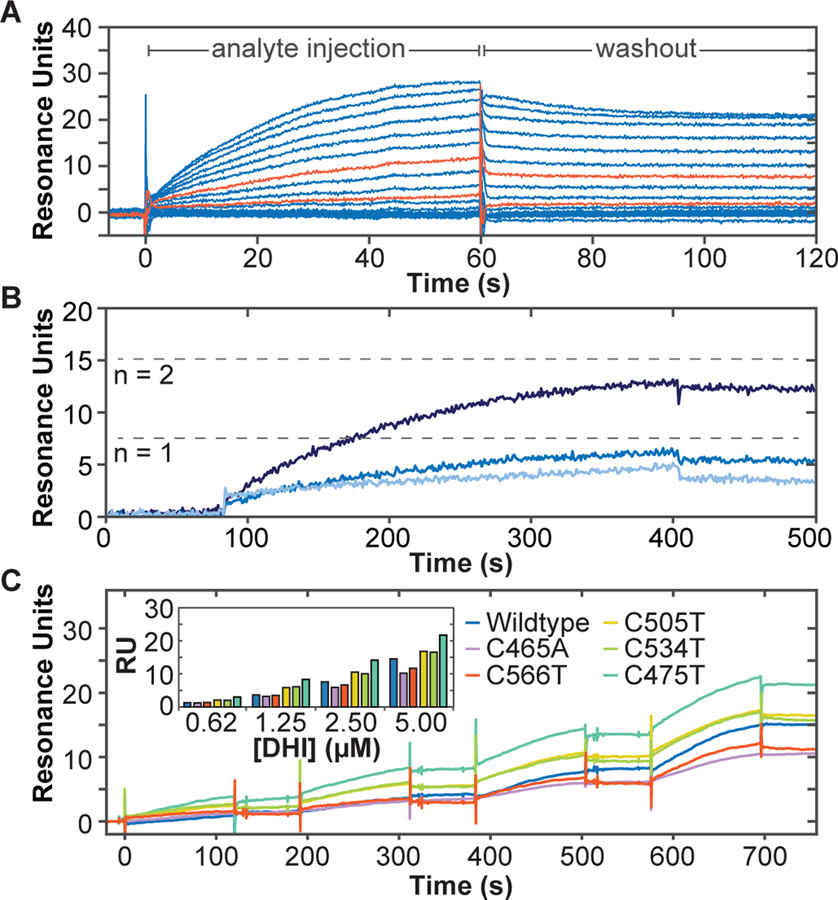
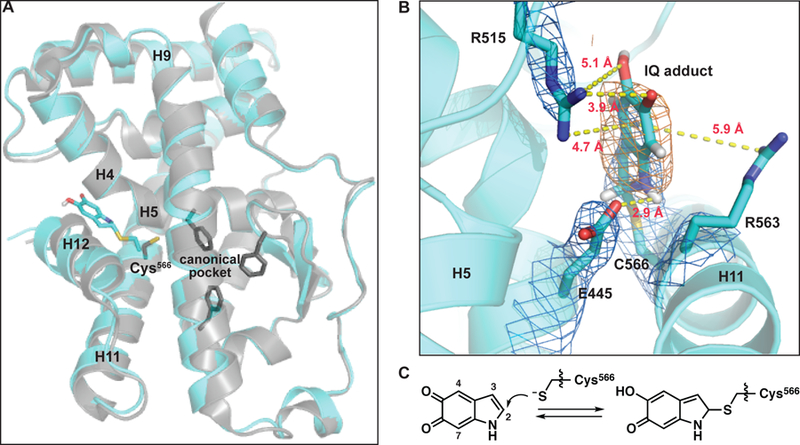
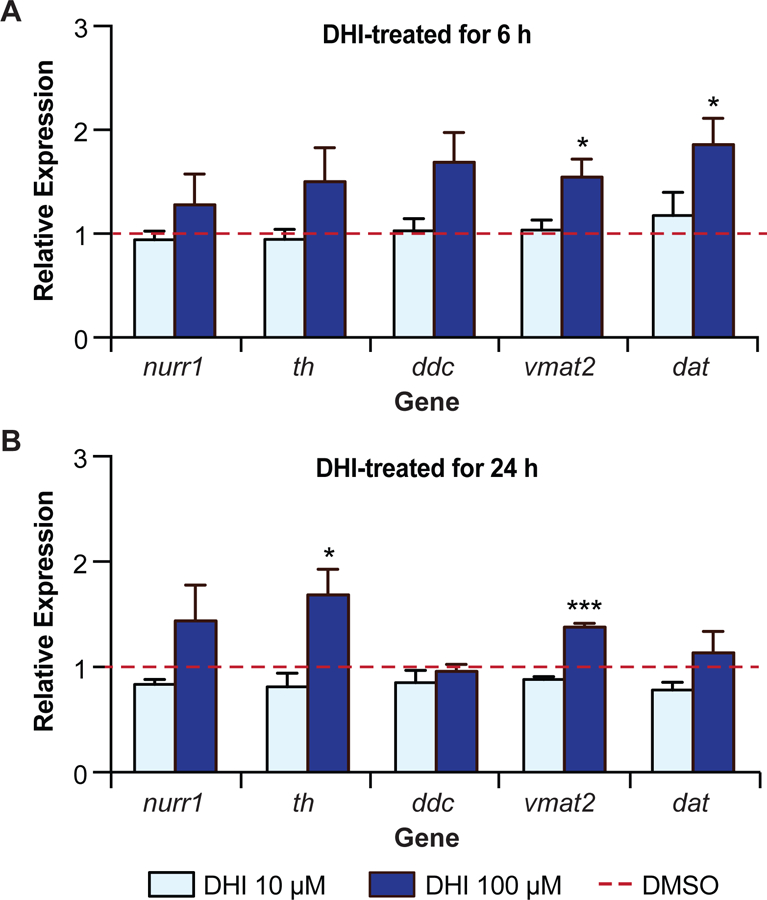
Nurr1, a nuclear receptor essential for the development, maintenance, and survival of midbrain dopaminergic neurons, is a potential therapeutic target for Parkinson's disease, a neurological disorder characterized by the degeneration of these same neurons. Efforts to identify Nurr1 agonists have been hampered by the recognition that it lacks several classic regulatory elements of nuclear receptor function, including the canonical ligand-binding pocket. Here we report that the dopamine metabolite 5,6-dihydroxyindole (DHI) binds directly to and modulates the activity of Nurr1. Using biophysical assays and X-ray crystallography, we show that DHI binds to the ligand-binding domain within a non-canonical pocket, forming a covalent adduct with Cys566. In cultured cells and zebrafish, DHI stimulates Nurr1 activity, including the transcription of target genes underlying dopamine homeostasis. These findings suggest avenues for developing synthetic Nurr1 ligands to ameliorate the symptoms and progression of Parkinson's disease.
Nurr1 是一种核受体,对于中脑多巴胺能神经元的发育、维持和存活至关重要,是帕金森病的潜在治疗靶点,帕金森病是一种以这些相同神经元退化为特征的神经退行性疾病。识别 Nurr1 激动剂的努力受到阻碍,因为人们认识到它缺乏核受体功能的几个经典调节元件,包括经典的配体结合口袋。在这里,我们报告多巴胺代谢物 5,6-二羟基吲哚(DHI)直接结合并调节 Nurr1 的活性。我们使用生物物理测定法和 X 射线晶体学显示,DHI 结合到非经典口袋中的配体结合域,与半胱氨酸 566 形成共价加合物。在培养的细胞和斑马鱼中,DHI 刺激 Nurr1 活性,包括多巴胺动态平衡的靶基因的转录。这些发现为开发合成 Nurr1 配体以改善帕金森病的症状和进展提供了途径。