Wu Dongdong, Liu Zhengguo, Li Jianmei, Zhang Qianqian, Zhong Peiyu, Teng Tieshan, Chen Mingliang, Xie Zhongwen, Ji Ailing, Li Yanzhang
1School of Basic Medical Sciences, Henan University College of Medicine, Kaifeng, 475004 Henan China.
3Henan International Joint Laboratory for Nuclear Protein Regulation, Henan University, Kaifeng, 475004 Henan China.
Cancer Cell Int. 2019 Feb 28;19:43. doi: 10.1186/s12935-019-0762-9. eCollection 2019.
Thyroid cancer is the most common type of endocrine malignancy and the incidence rate is rapidly increasing worldwide. Epigallocatechin-3-gallate (EGCG) could suppress cancer growth and induce apoptosis in many types of cancer cells. However, the mechanism of action of EGCG on the growth of human thyroid carcinoma cells has not been fully illuminated.
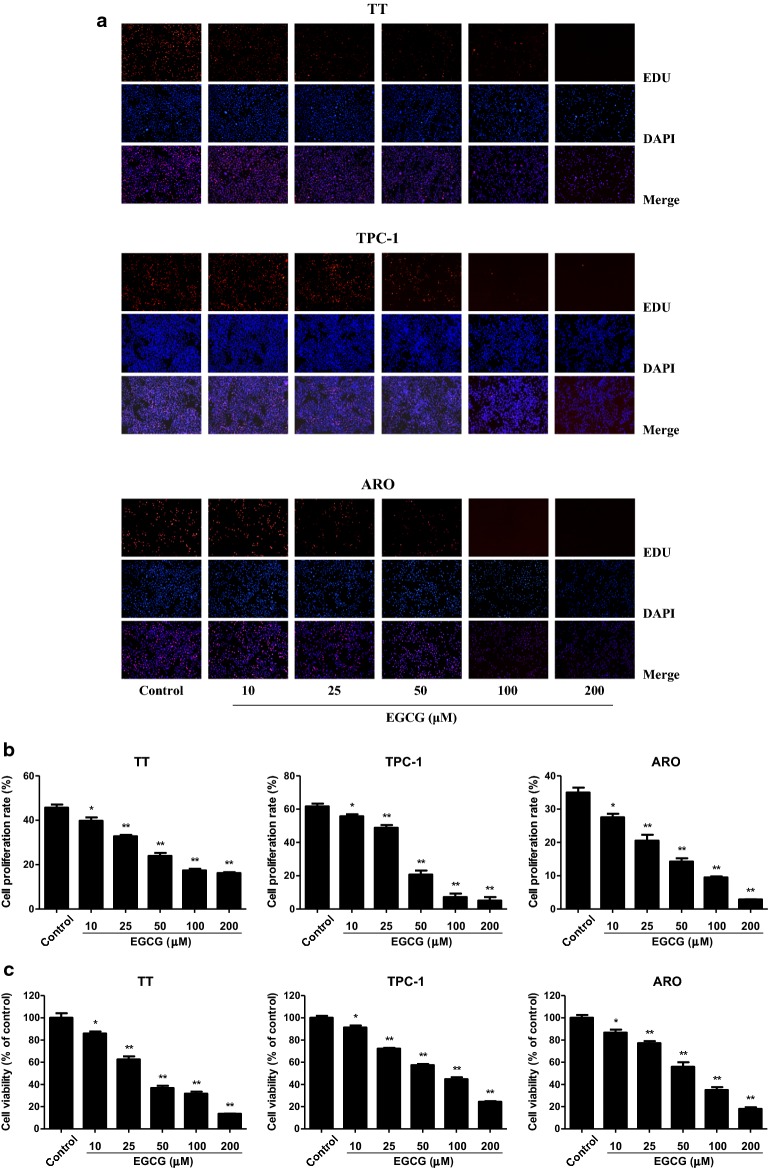
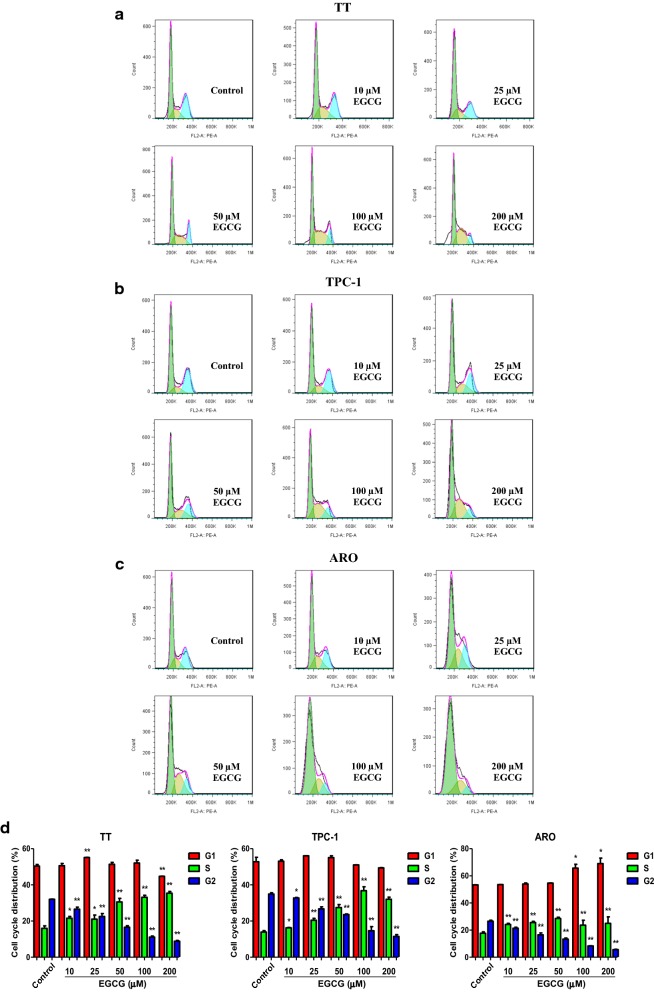
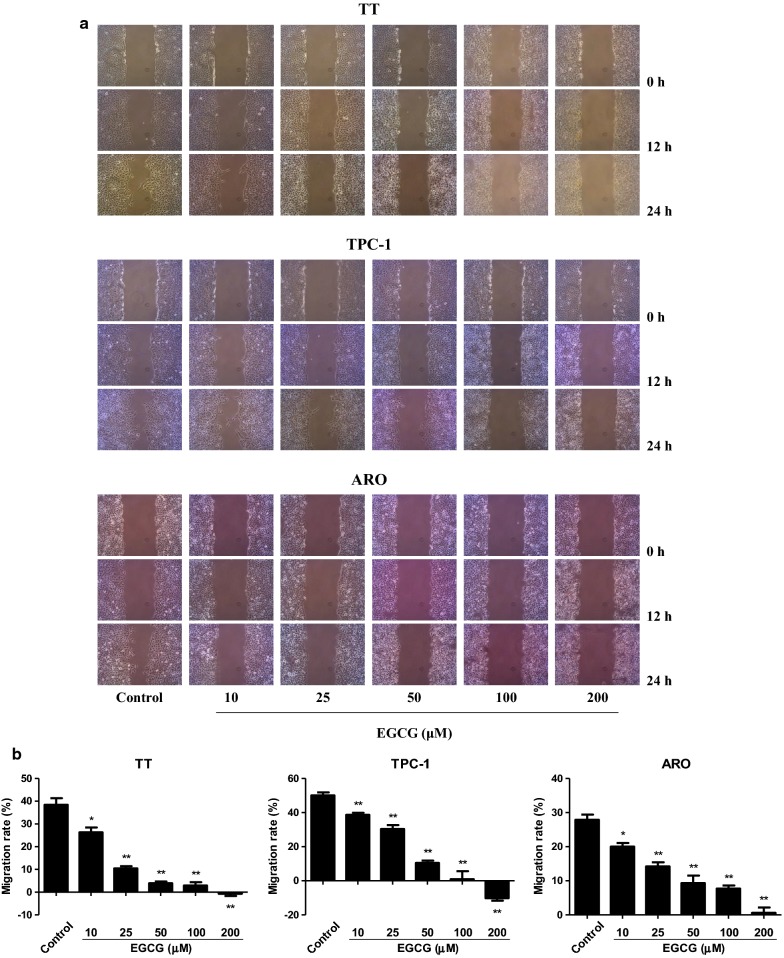
Cell proliferation and viability were detected by EdU and MTS assays. Cell cycle distribution was measured by flow cytometry. Migration and invasion were evaluated by scratch and transwell assays. Apoptotic levels were detected by TUNEL staining and western blotting. The protein levels of EGFR/RAS/RAF/MEK/ERK signaling pathway were detected by western blotting. The in vivo results were determined by tumor xenografts in nude mice. The in vivo proliferation, tumor microvessel density, and apoptosis were detected by immunohistochemistry.
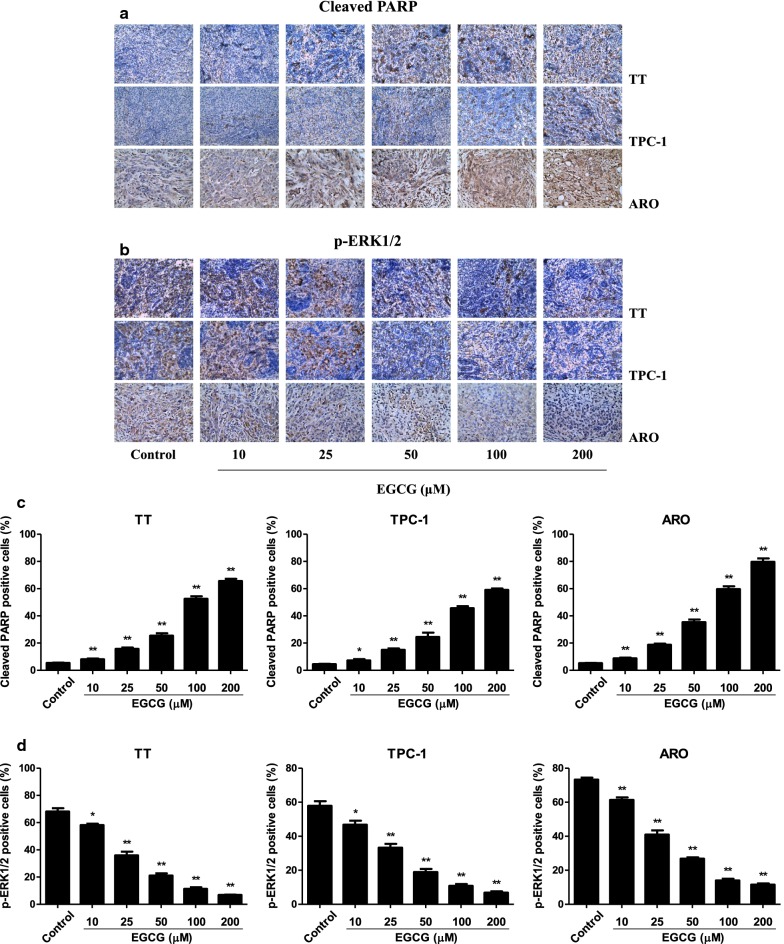
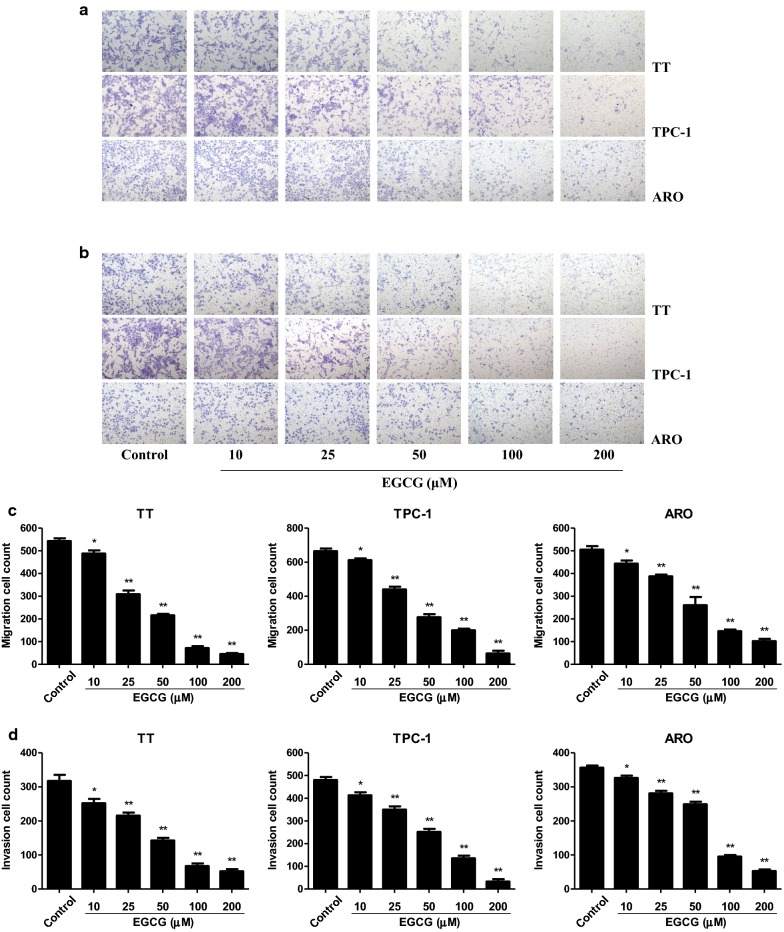
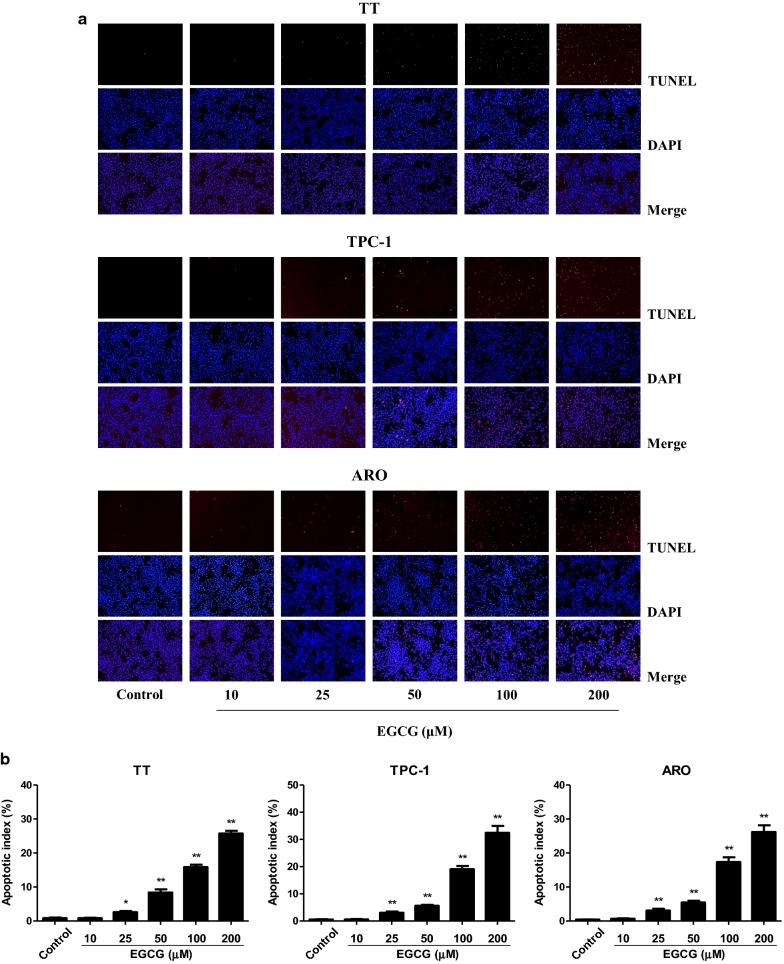
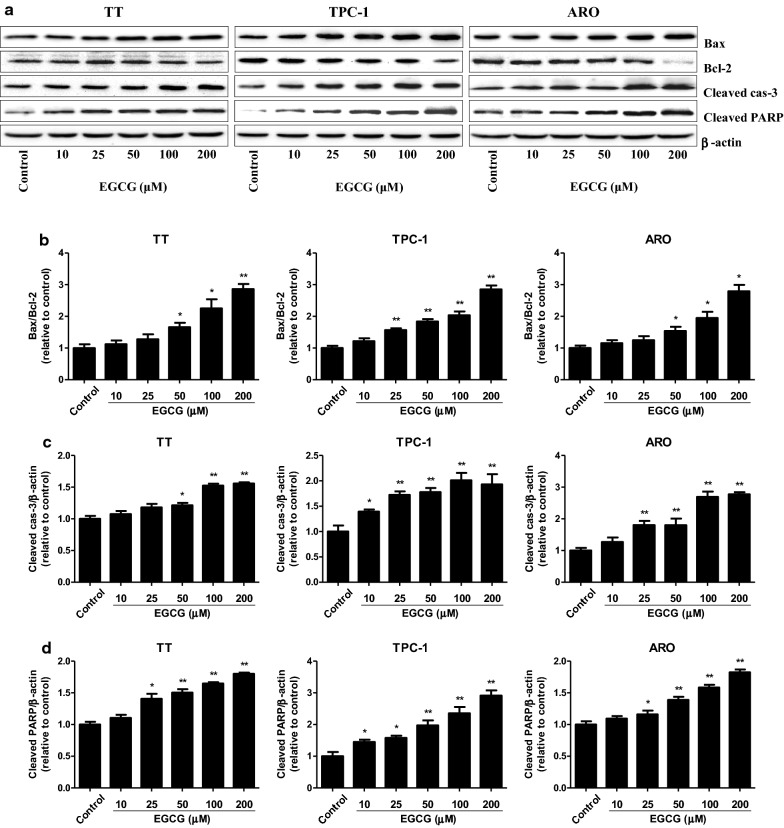
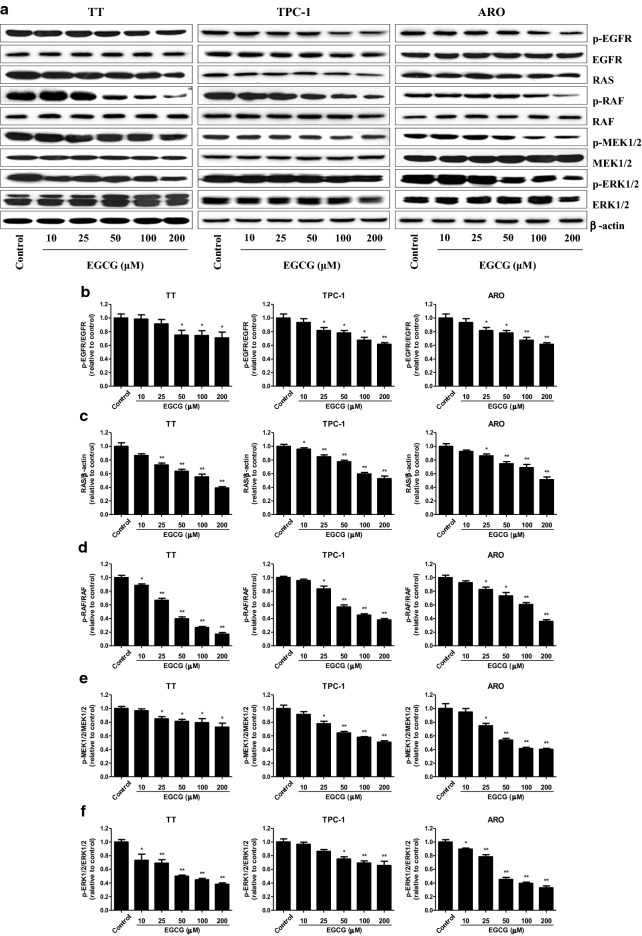
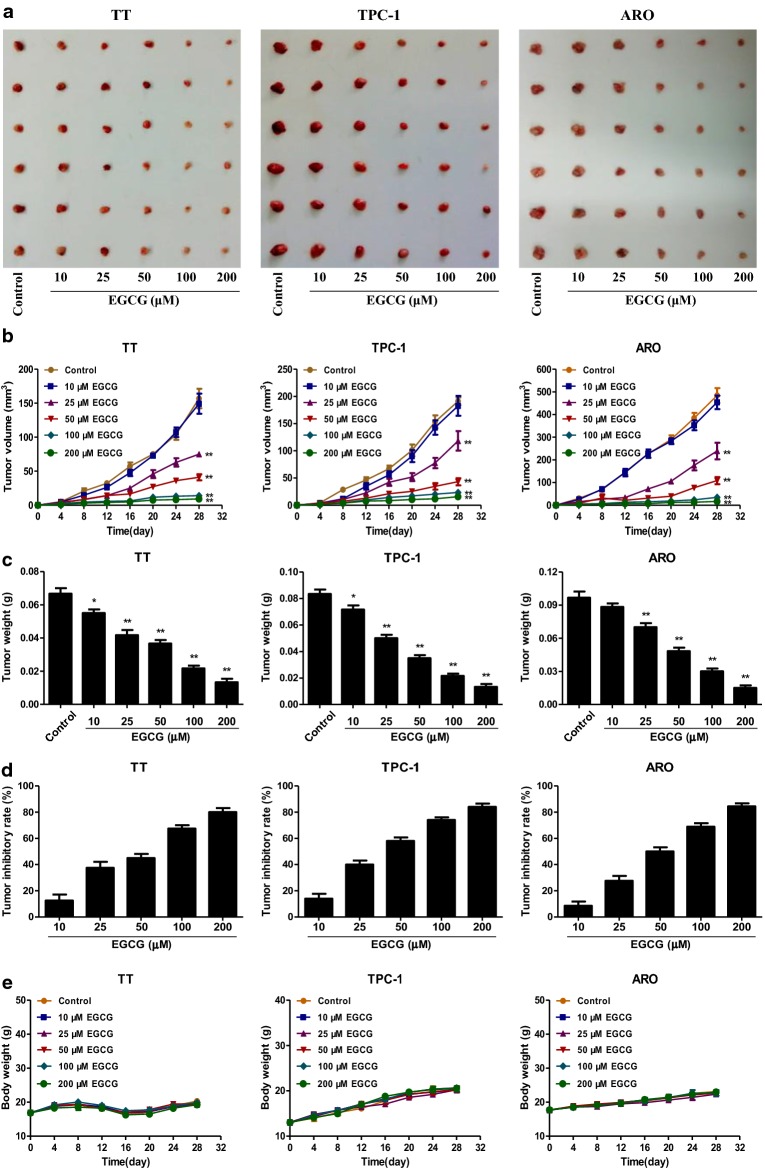
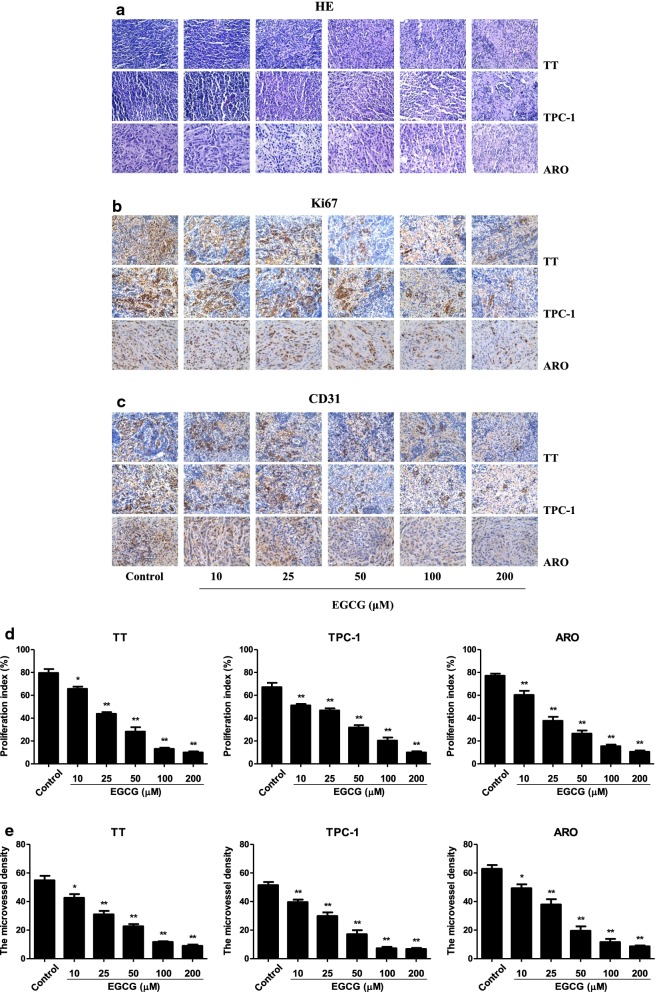
EGCG inhibited the proliferation, viability, and cell cycle progression in human thyroid carcinoma cells. EGCG decreased the migration and invasion, but increased the apoptosis of human thyroid carcinoma cells. EGCG reduced the protein levels of phospho (p)-epidermal growth factor receptor (EGFR), H-RAS, p-RAF, p-MEK1/2, and p-extracellular signal-regulated protein kinase 1/2 (ERK1/2) in human thyroid carcinoma cells. EGCG inhibited the growth of human thyroid carcinoma xenografts by inducing apoptosis and down-regulating angiogenesis.
EGCG could reduce the growth and increase the apoptosis of human thyroid carcinoma cells through suppressing the EGFR/RAS/RAF/MEK/ERK signaling pathway. EGCG can be developed as an effective therapeutic agent for the treatment of thyroid cancer.
甲状腺癌是最常见的内分泌恶性肿瘤,全球发病率正在迅速上升。表没食子儿茶素-3-没食子酸酯(EGCG)可抑制多种癌细胞的生长并诱导其凋亡。然而,EGCG对人甲状腺癌细胞生长的作用机制尚未完全阐明。
通过EdU和MTS检测法检测细胞增殖和活力。采用流式细胞术测量细胞周期分布。通过划痕和Transwell检测法评估迁移和侵袭能力。通过TUNEL染色和蛋白质印迹法检测凋亡水平。采用蛋白质印迹法检测EGFR/RAS/RAF/MEK/ERK信号通路的蛋白质水平。体内实验结果通过裸鼠肿瘤异种移植确定。通过免疫组织化学检测体内增殖、肿瘤微血管密度和凋亡情况。
EGCG抑制人甲状腺癌细胞的增殖、活力和细胞周期进程。EGCG降低人甲状腺癌细胞的迁移和侵袭能力,但增加其凋亡。EGCG降低人甲状腺癌细胞中磷酸化(p)-表皮生长因子受体(EGFR)、H-RAS、p-RAF、p-MEK1/2和p-细胞外信号调节蛋白激酶1/2(ERK1/2)的蛋白质水平。EGCG通过诱导凋亡和下调血管生成抑制人甲状腺癌异种移植瘤的生长。
EGCG可通过抑制EGFR/RAS/RAF/MEK/ERK信号通路降低人甲状腺癌细胞的生长并增加其凋亡。EGCG可开发成为治疗甲状腺癌的有效治疗药物。