Carlson Sarah J, O'Loughlin Alison A, Anez-Bustillos Lorenzo, Baker Meredith A, Andrews Nicholas A, Gunner Georgia, Dao Duy T, Pan Amy, Nandivada Prathima, Chang Melissa, Cowan Eileen, Mitchell Paul D, Gura Kathleen M, Fagiolini Michela, Puder Mark
Vascular Biology Program and Department of Surgery, Boston Children's Hospital, Boston, MA, United States.
Department of Neurology, F.M. Kirby Neurobiology Center, Boston Children's Hospital - Program in Neuroscience, Harvard Medical School, Boston, MA, United States.
Front Neurosci. 2019 Feb 25;13:72. doi: 10.3389/fnins.2019.00072. eCollection 2019.
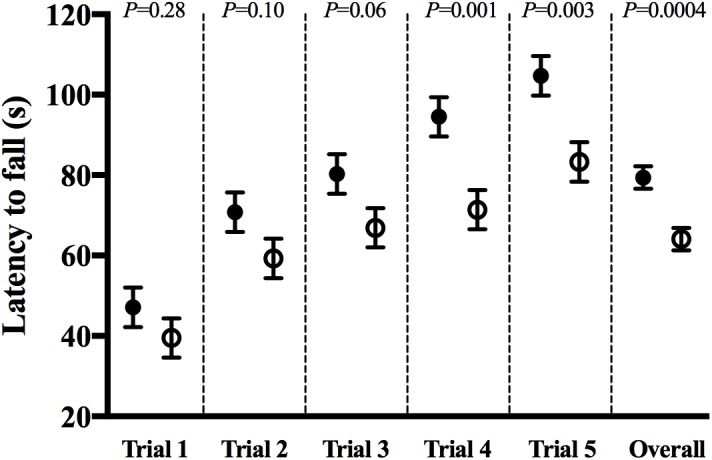
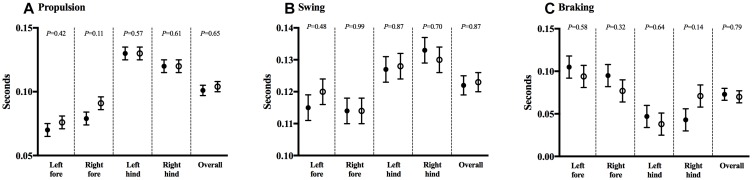
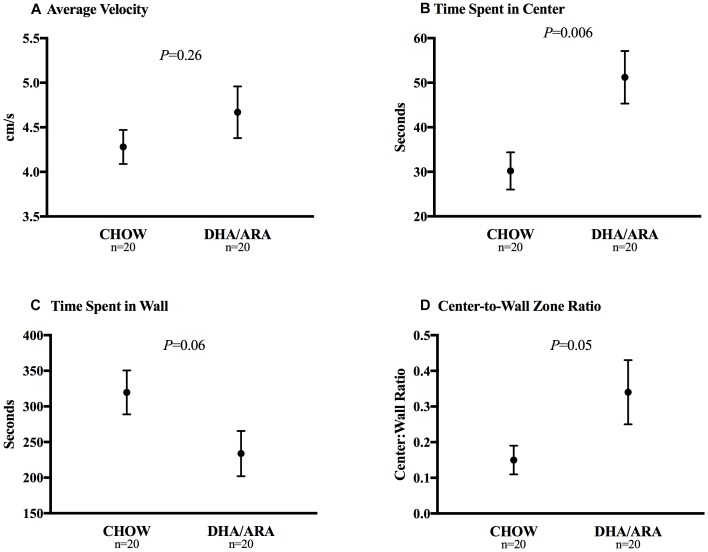
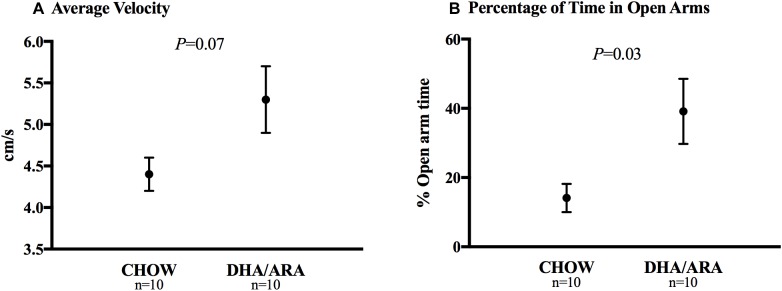
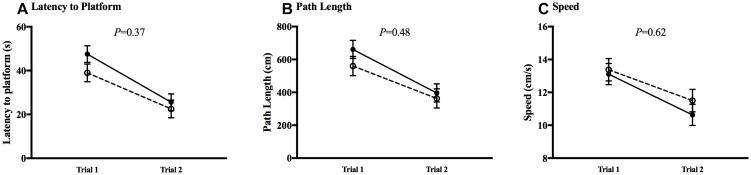
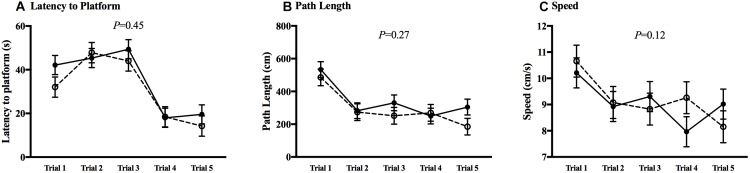
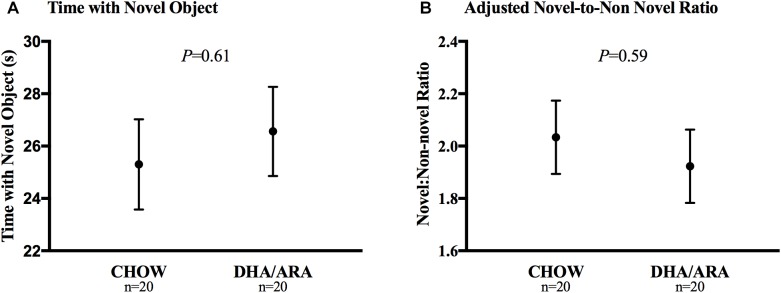
Polyunsaturated fatty acids serve multiple functions in neurodevelopment and neurocognitive function. Intravenous lipid emulsions are administered to children that are dependent on parenteral nutrition to provide the essential fatty acids needed to sustain growth and development. One of these emulsions, derived from fish-oil, is particularly poor in the traditional essential fatty acids, linoleic and alpha-linolenic acids. However, it does contain adequate amounts of its main derivatives, arachidonic acid (ARA) and docosahexaenoic acid (DHA), respectively. This skewed composition has raised concern about the sole use of fish-oil based lipid emulsions in children and how its administration can be detrimental to their neurodevelopment. Using a custom-made diet that contains ARA and DHA as a sole source of polyunsaturated fatty acids, we bred and fed mice for multiple generations. Compared to adult, chow-fed mice, animals maintained on this special diet showed similar outcomes in a battery of neurocognitive tests performed under controlled conditions. Chow-fed mice did perform better in the rotarod test for ataxia and balance, although both experimental groups showed a conserved motor learning capacity. Conversely, mice fed the custom diet rich in DHA and ARA showed less neophobia than the chow-fed animals. Results from these experiments suggest that providing a diet where ARA and DHA are the sole source of polyunsaturated fatty acids is sufficient to support gross visual, cognitive, motor, and social development in mice.
多不饱和脂肪酸在神经发育和神经认知功能中发挥多种作用。静脉注射脂质乳剂用于依赖肠外营养的儿童,以提供维持生长发育所需的必需脂肪酸。其中一种源自鱼油的乳剂,在传统的必需脂肪酸亚油酸和α-亚麻酸方面含量特别低。然而,它确实分别含有足够量的主要衍生物花生四烯酸(ARA)和二十二碳六烯酸(DHA)。这种不均衡的成分引发了对儿童单独使用基于鱼油的脂质乳剂的担忧,以及其给药方式如何对他们的神经发育有害。我们使用一种将ARA和DHA作为多不饱和脂肪酸唯一来源的定制饮食,繁殖并喂养了多代小鼠。与成年的、喂食普通食物的小鼠相比,在受控条件下进行的一系列神经认知测试中,以这种特殊饮食喂养的动物表现出相似的结果。在用于评估共济失调和平衡的转棒试验中,喂食普通食物的小鼠表现更好,尽管两个实验组都显示出保守的运动学习能力。相反,喂食富含DHA和ARA的定制饮食的小鼠比喂食普通食物的动物表现出更少的新事物恐惧。这些实验结果表明,提供一种以ARA和DHA作为多不饱和脂肪酸唯一来源的饮食足以支持小鼠的总体视觉、认知、运动和社交发育。