Ranneh Yazan, Akim Abdah Md, Hamid Hasiah Ab, Khazaai Huzwah, Fadel Abdulmannan, Mahmoud Ayman M
1Department of Nutrition and Dietetics, Faculty of Medicine and Health Sciences, Universiti Putra Malaysia, UPM, 43400 Serdang, Selangor Malaysia.
2Department of Biomedical Sciences, Faculty of Medicine and Health Sciences, Universiti Putra Malaysia, UPM, 43400 Serdang, Selangor Malaysia.
Nutr Metab (Lond). 2019 Feb 27;16:15. doi: 10.1186/s12986-019-0341-z. eCollection 2019.
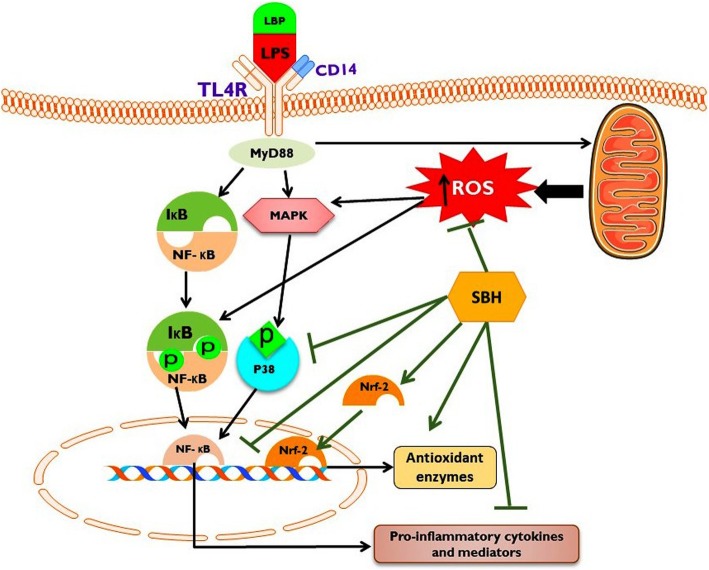
Epidemiological and experimental studies have extensively indicated that chronic subclinical systemic inflammation (CSSI) and oxidative stress are risk factors for several chronic diseases, including cancer, arthritis, type 2 diabetes, and cardiovascular and neurodegenerative diseases. This study examined the protective effect of stingless bee honey (SBH) supplementation against lipopolysaccharide (LPS)-induced CSSI, pointing to the possible involvement of NF-κB, p38 MAPK and Nrf2 signaling.
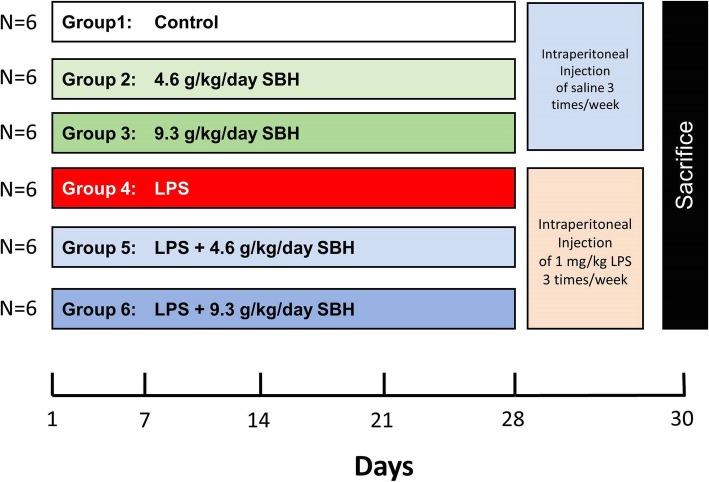
CSSI was induced in male Sprague Dawley rats by intraperitoneal injection of LPS three times per week for 28 days, and SBH (4.6 and 9.3 g/kg/day) was supplemented for 30 days.
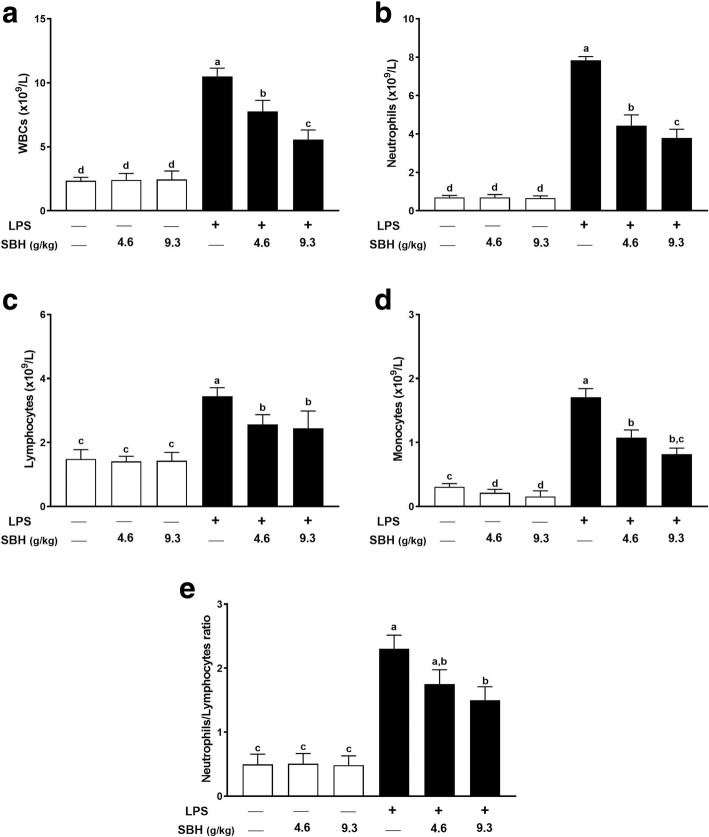
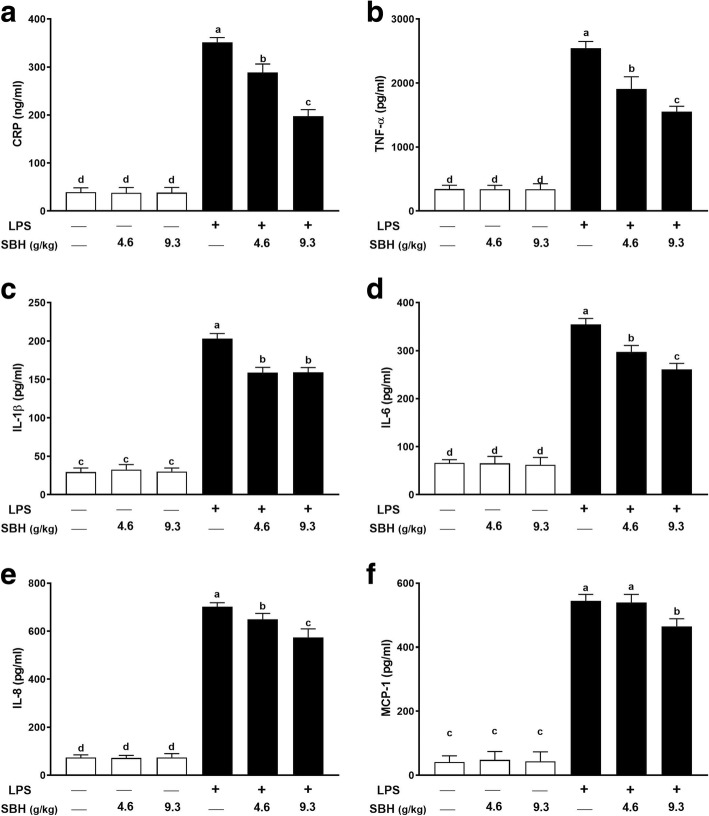
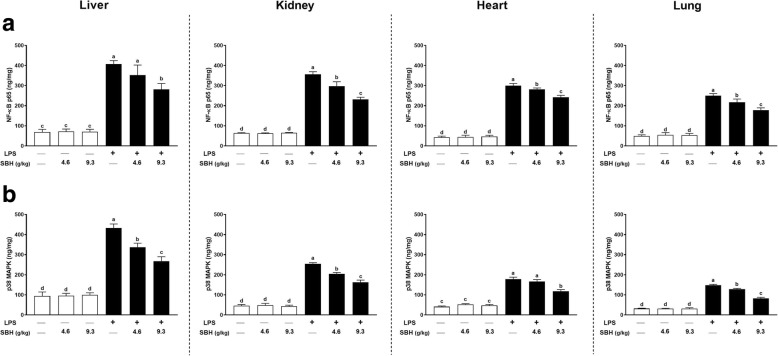
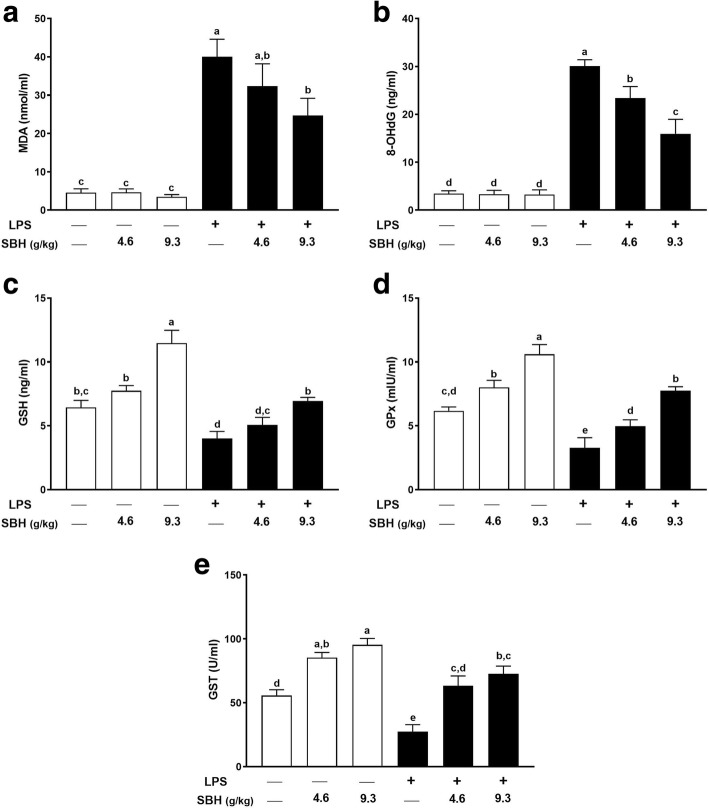
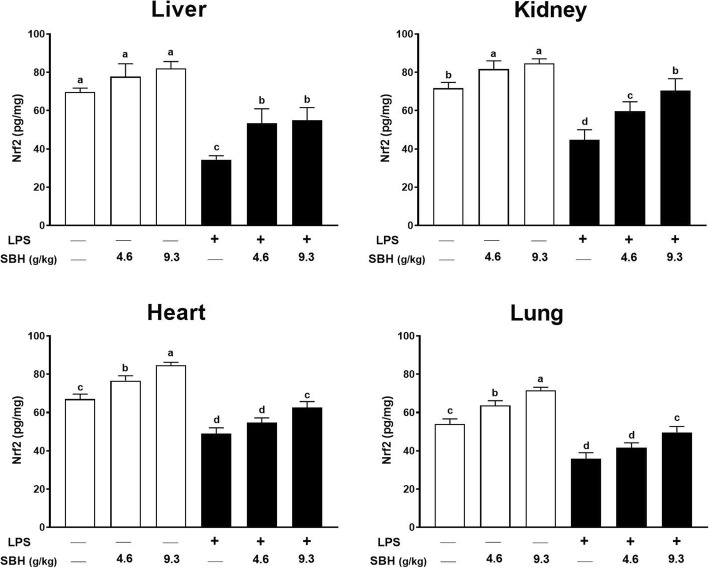
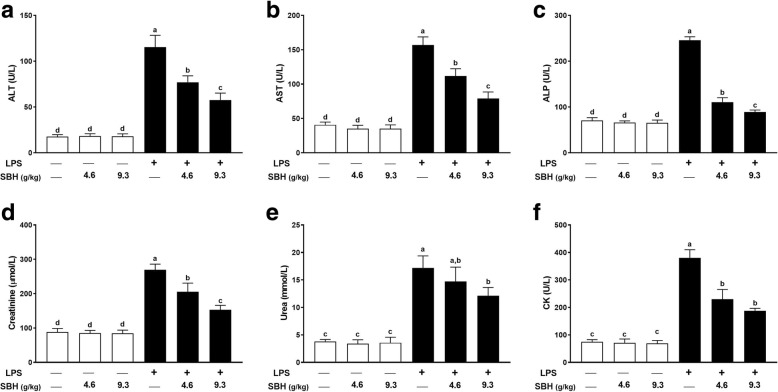
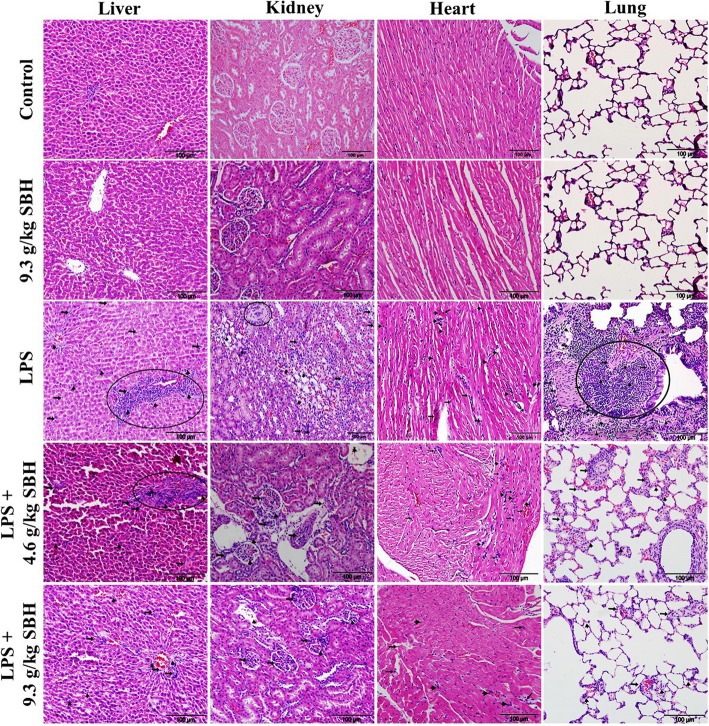
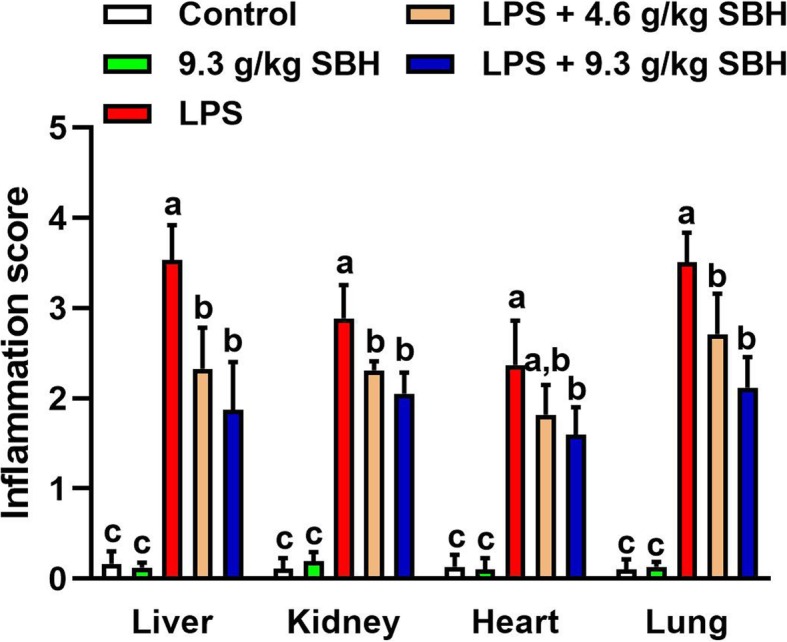
LPS-induced rats showed significant leukocytosis, and elevated serum levels of CRP, TNF-α, IL-1β, IL-6, IL-8, MCP-1, malondialdehyde (MDA) and 8-hydroxy-2'-deoxyguanosine (8-OHdG), accompanied with diminished antioxidants. Treatment with SBH significantly ameliorated inflammatory markers, MDA and 8-OHdG, and enhanced antioxidants in LPS-induced rats. In addition, SBH decreased NF-κB p65 and p38 MAPK, and increased Nrf2 expression in the liver, kidney, heart and lung of LPS-induced rats. Furthermore, SBH prevented LPS-induced histological and functional alterations in the liver, kidney, heart and lung of rats.
SBH has a substantial protective role against LPS-induced CSSI in rats mediated via amelioration of inflammation, oxidative stress and NF-κB, p38 MAPK and Nrf2 signaling.
流行病学和实验研究广泛表明,慢性亚临床全身炎症(CSSI)和氧化应激是包括癌症、关节炎、2型糖尿病以及心血管和神经退行性疾病在内的多种慢性疾病的危险因素。本研究检测了补充无刺蜂蜂蜜(SBH)对脂多糖(LPS)诱导的CSSI的保护作用,指出可能涉及核因子κB(NF-κB)、p38丝裂原活化蛋白激酶(p38 MAPK)和核因子E2相关因子2(Nrf2)信号通路。
通过每周3次腹腔注射LPS,持续28天,诱导雄性斯普拉格-道利大鼠发生CSSI,并补充SBH(4.6和9.3克/千克/天)30天。
LPS诱导的大鼠出现明显的白细胞增多,血清中C反应蛋白(CRP)、肿瘤坏死因子-α(TNF-α)、白细胞介素-1β(IL-1β)、白细胞介素-6(IL-6)、白细胞介素-8(IL-8)、单核细胞趋化蛋白-1(MCP-1)、丙二醛(MDA)和8-羟基-2'-脱氧鸟苷(8-OHdG)水平升高,同时抗氧化剂减少。用SBH治疗可显著改善LPS诱导大鼠的炎症标志物、MDA和8-OHdG,并增强抗氧化剂。此外,SBH降低了LPS诱导大鼠肝脏、肾脏、心脏和肺中NF-κB p65和p38 MAPK的表达,并增加了Nrf2的表达。此外,SBH可预防LPS诱导的大鼠肝脏、肾脏、心脏和肺的组织学和功能改变。
SBH对LPS诱导的大鼠CSSI具有显著的保护作用,其作用机制是通过改善炎症、氧化应激以及NF-κB、p38 MAPK和Nrf2信号通路来介导的。