Bodega Marine Laboratory, University of California, Davis, Bodega Bay, California, 94923, USA.
Department of Evolution and Ecology, University of California, Davis, California, 95616, USA.
Sci Rep. 2019 Mar 12;9(1):4216. doi: 10.1038/s41598-019-40784-3.
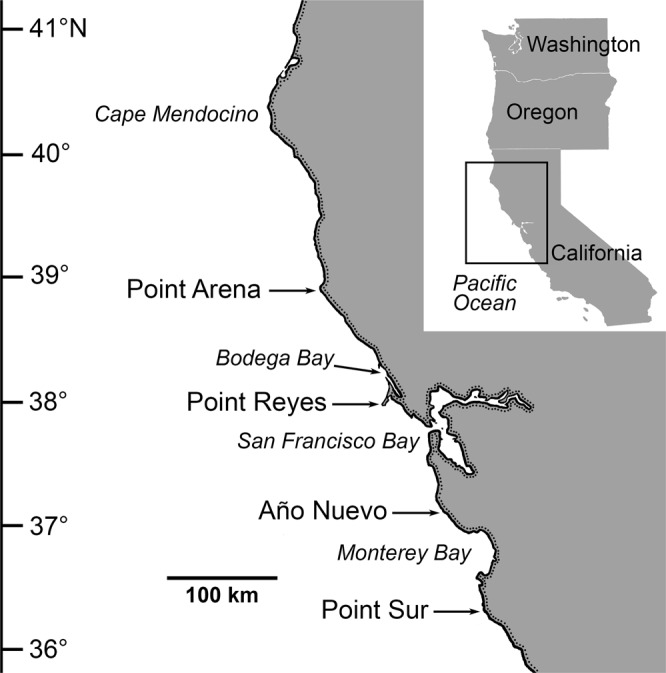
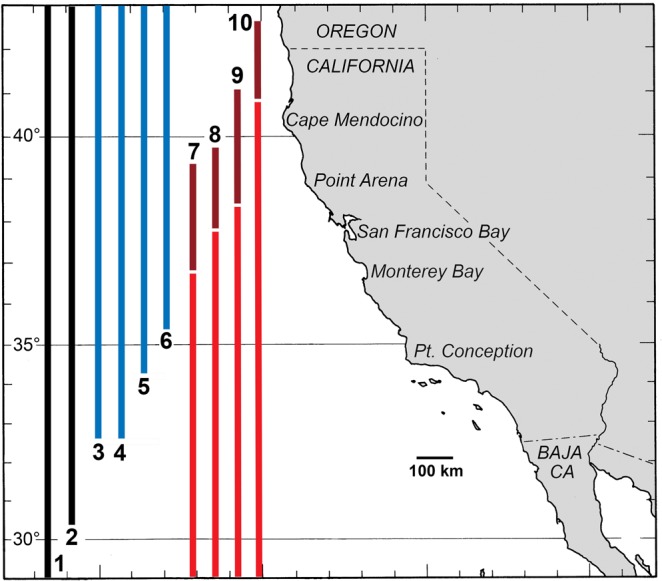
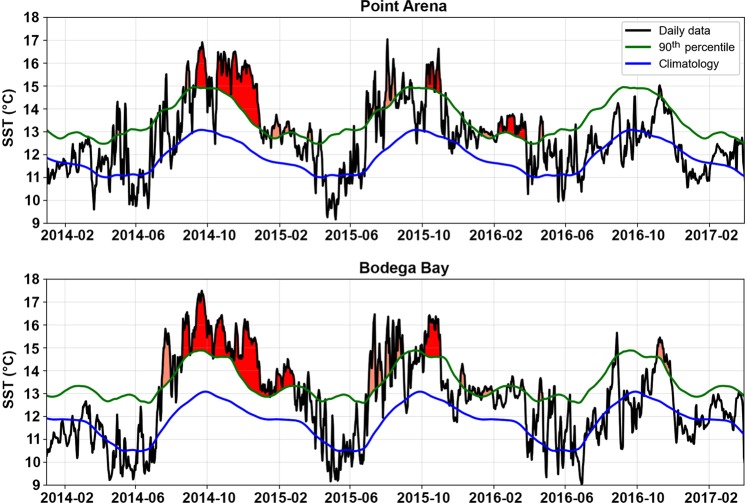
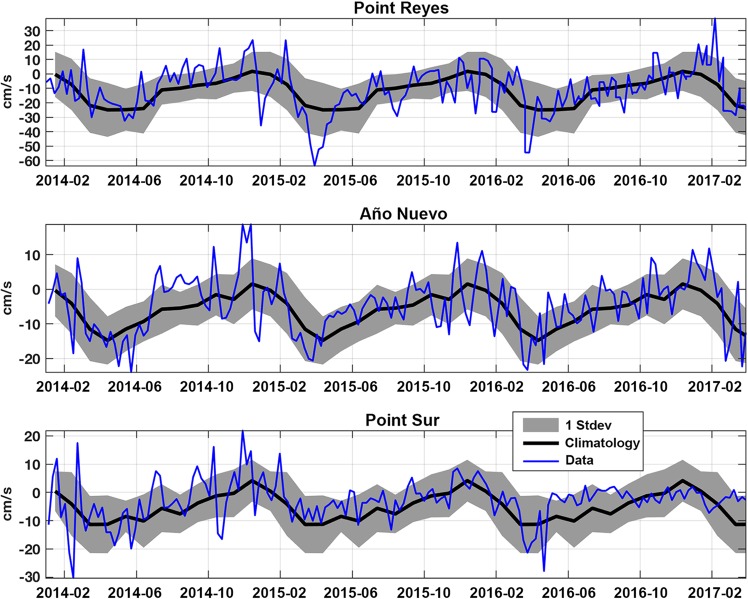
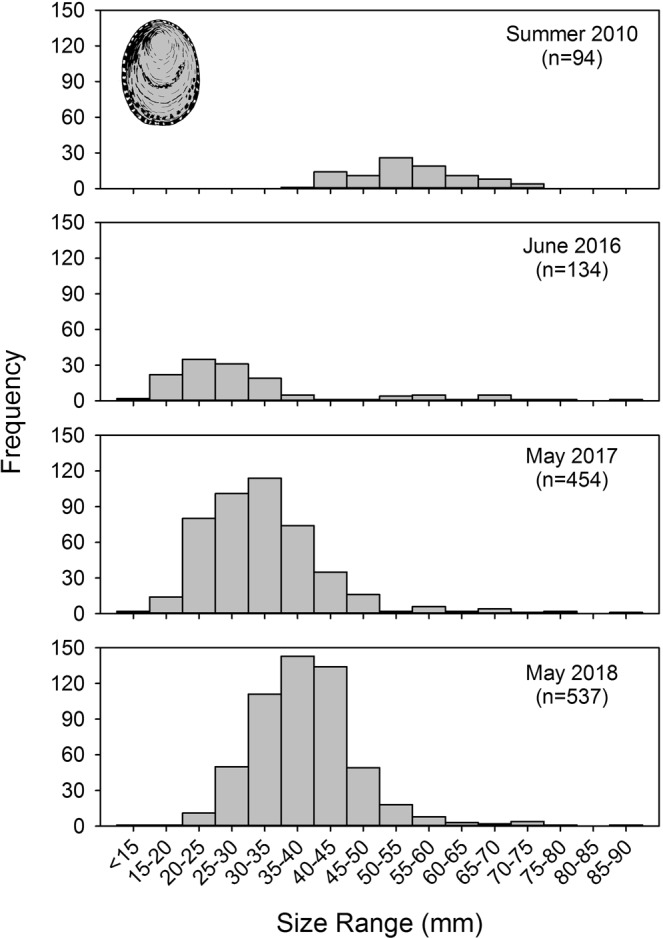
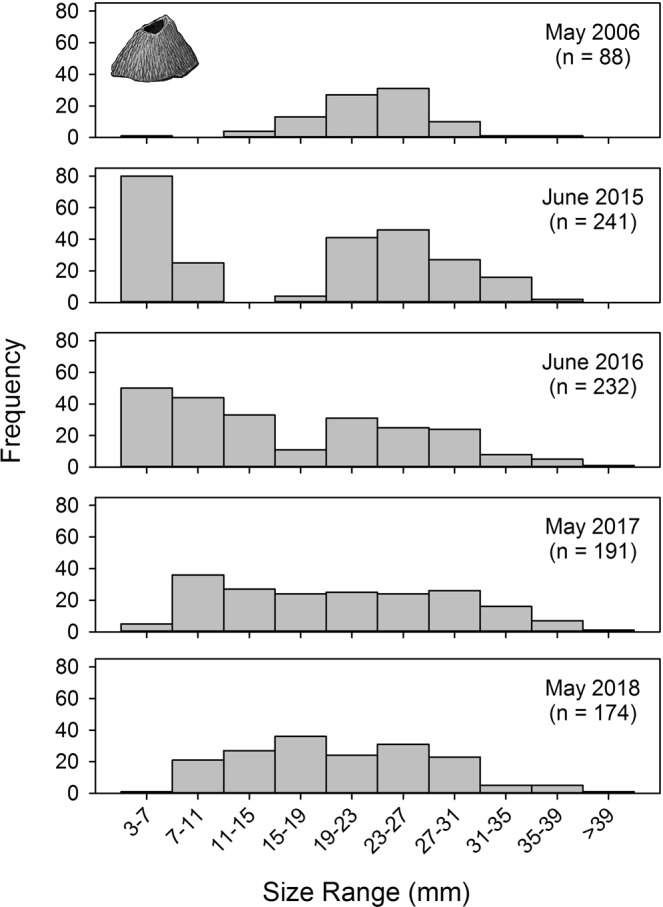
During 2014-2016, severe marine heatwaves in the northeast Pacific triggered well-documented disturbances including mass mortalities, harmful algal blooms, and declines in subtidal kelp beds. However, less attention has been directed towards understanding how changes in sea surface temperature (SST) and alongshore currents during this period influenced the geographic distribution of coastal taxa. Here, we examine these effects in northern California, USA, with a focus on the region between Point Reyes and Point Arena. This region represents an important biogeographic transition zone that lies <150 km north of Monterey Bay, California, where numerous southern species have historically reached their northern (poleward) range limits. We report substantial changes in geographic distributions and/or abundances across a diverse suite of 67 southern species, including an unprecedented number of poleward range extensions (37) and striking increases in the recruitment of owl limpets (Lottia gigantea) and volcano barnacles (Tetraclita rubescens). These ecological responses likely arose through the combined effects of extreme SST, periods of anomalous poleward flow, and the unusually long duration of heatwave events. Prolonged marine heatwaves and enhanced poleward dispersal may play an important role in longer-term shifts in the composition of coastal communities in northern California and other biogeographic transition zones.
在 2014-2016 年期间,东北太平洋发生了严重的海洋热浪,引发了大量有记录的干扰事件,包括大规模死亡、有害藻类大量繁殖和潮间带巨藻床的减少。然而,人们对了解这一期间海面温度(SST)和沿岸流的变化如何影响沿海生物区系的地理分布的关注较少。在这里,我们以美国加利福尼亚州北部为研究对象,重点研究从雷耶斯角到阿雷纳角之间的区域。该地区是一个重要的生物地理过渡带,位于加利福尼亚州蒙特雷湾以北不到 150 公里处,历史上有许多南部物种已经到达了它们的北部(极向)分布极限。我们报告了 67 种南部物种的地理分布和/或丰度的重大变化,包括前所未有的 37 种极向分布扩展和猫头鹰石鳖(Lottia gigantea)和火山藤壶(Tetraclita rubescens)的显著增加。这些生态反应可能是由于极端 SST、异常的极向流动期和热浪事件的异常长时间共同作用而产生的。海洋热浪的持续时间延长和增强的极向扩散可能在加利福尼亚州北部和其他生物地理过渡带沿海生物群落组成的长期变化中发挥重要作用。