Faculty of Medicine, Memorial University of Newfoundland, St. John's, Canada.
University of British Columbia, Department of Physical Therapy, Vancouver, Canada.
Neural Plast. 2019 Feb 4;2019:7092496. doi: 10.1155/2019/7092496. eCollection 2019.
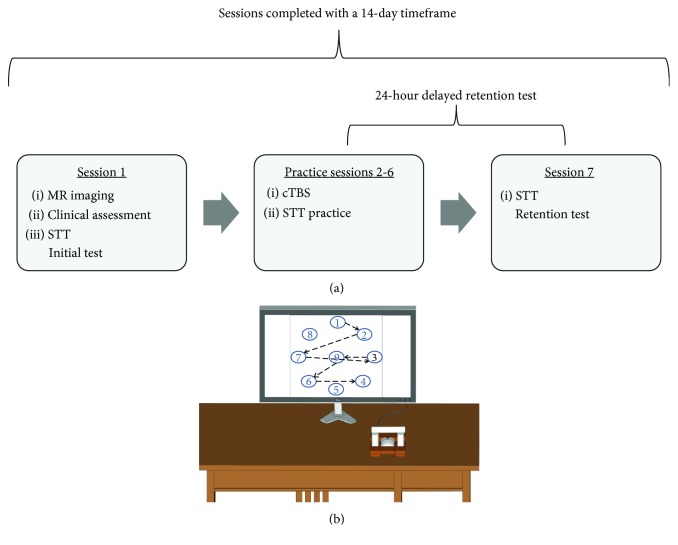
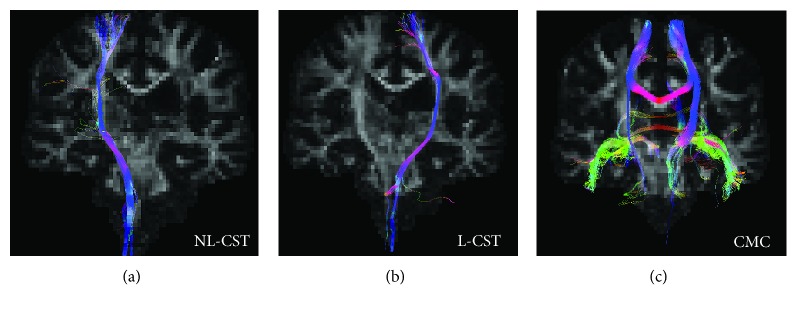
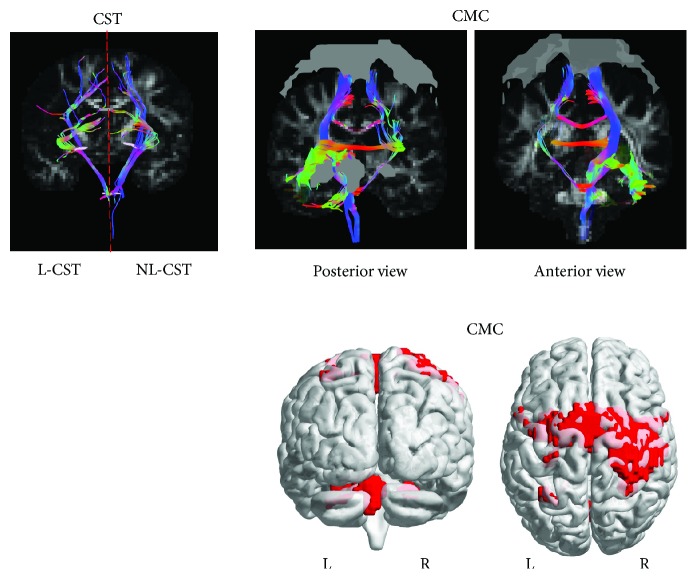
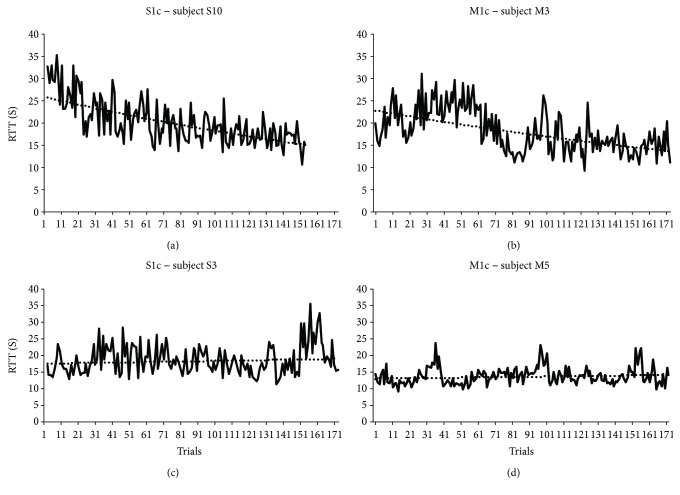
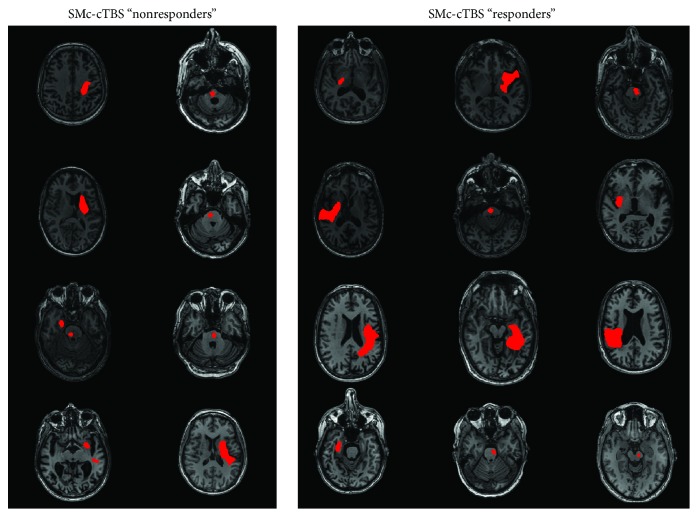
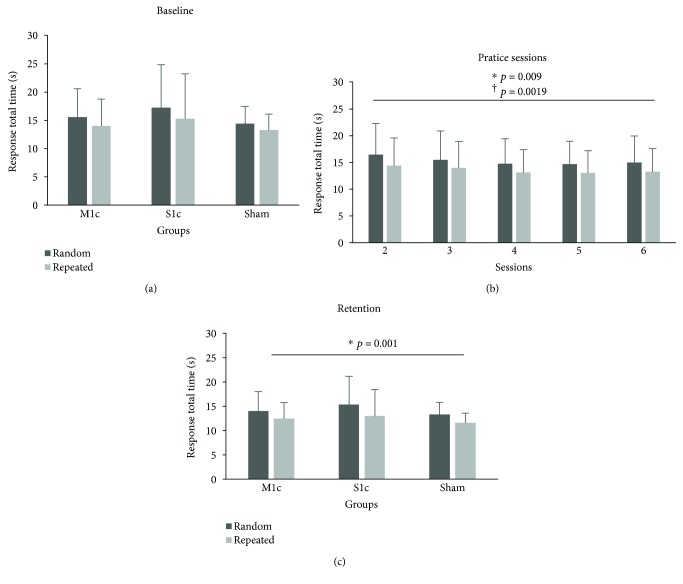
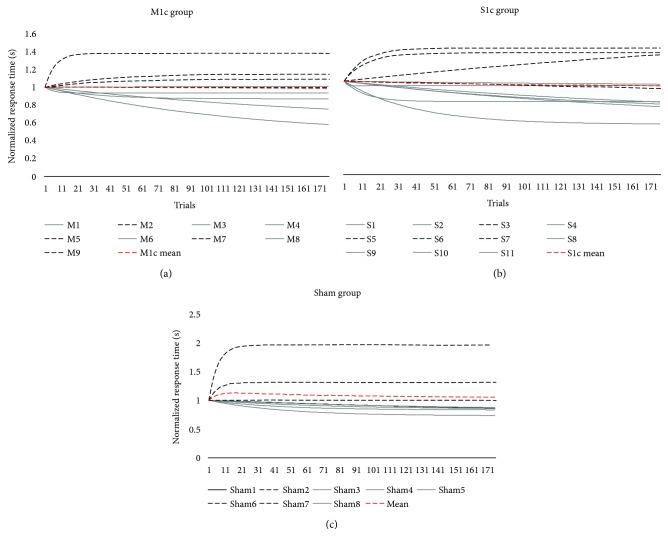
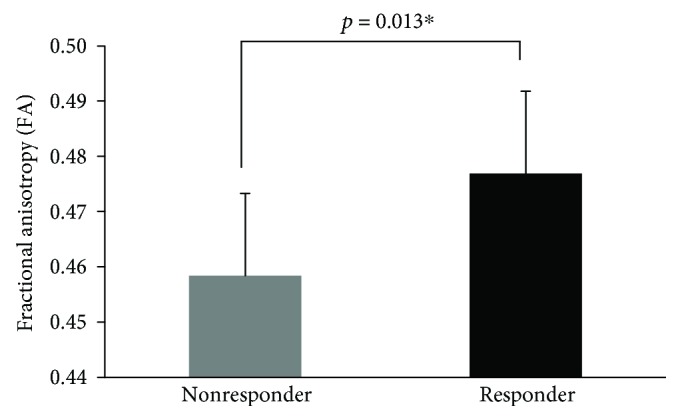
Continuous theta burst stimulation (cTBS) is a form of noninvasive repetitive brain stimulation that, when delivered over the contralesional hemisphere, can influence the excitability of the ipsilesional hemisphere in individuals with stroke. cTBS applied prior to skilled motor practice interventions may augment motor learning; however, there is a high degree of variability in individual response to this intervention. The main objective of the present study was to assess white matter biomarkers of response to cTBS paired with skilled motor practice in individuals with chronic stroke. We tested the effects of stimulation of the contralesional hemisphere at the site of the primary motor cortex (M1c) or primary somatosensory cortex (S1c) and a third group who received sham stimulation. Within each stimulation group, individuals were categorized into responders or nonresponders based on their capacity for motor skill change. Baseline diffusion tensor imaging (DTI) indexed the underlying white matter microstructure of a previously known motor learning network, named the constrained motor connectome (CMC), as well as the corticospinal tract (CST) of lesioned and nonlesioned hemispheres. Across practice, there were no differential group effects. However, when categorized as responders vs. nonresponders using change in motor behaviour, we demonstrated a significant difference in CMC microstructural properties (as measured by fractional anisotropy (FA)) for individuals in M1c and S1c groups. There were no significant differences between responders and nonresponders in clinical baseline measures or microstructural properties (FA) in the CST. The present study identifies a white matter biomarker, which extends beyond the CST, advancing our understanding of the importance of white matter networks for motor after stroke.
连续 theta 爆发刺激 (cTBS) 是一种非侵入性重复脑刺激形式,当施加于病变对侧半球时,可以影响中风患者患侧半球的兴奋性。在熟练运动练习干预之前施加 cTBS 可能会增强运动学习;然而,个体对这种干预的反应存在高度的可变性。本研究的主要目的是评估慢性中风患者对 cTBS 与熟练运动练习相结合的反应的白质生物标志物。我们测试了刺激病变对侧大脑半球 M1c 或初级躯体感觉皮层 (S1c) 以及第三组接受假刺激的部位对反应的影响。在每个刺激组中,根据个体的运动技能变化能力将其分为反应者或非反应者。基线扩散张量成像 (DTI) 对先前已知的运动学习网络的基础白质微观结构进行了指数级评估,该网络称为受限运动连接组 (CMC),以及病变和未病变半球的皮质脊髓束 (CST)。在整个实践过程中,没有观察到组间的差异。然而,当根据运动行为的变化将个体分类为反应者与非反应者时,我们证明了 M1c 和 S1c 组中 CMC 微观结构特性(以各向异性分数 (FA) 衡量)存在显著差异。在反应者和非反应者之间,临床基线测量或 CST 中的微观结构特性(FA)没有显著差异。本研究确定了一种白质生物标志物,该标志物超越了 CST,加深了我们对中风后白质网络对运动的重要性的理解。