Centro de Investigación en Nutrición y Salud Pública, Facultad de Salud Pública y Nutrición, Universidad Autonoma de Nuevo Leon, 64460 Monterrey, Mexico.
Nutrition Unit, Center for Research and Development in Health Sciences, Universidad Autonoma de Nuevo Leon, 64460 Monterrey, Mexico.
Nutrients. 2019 Mar 7;11(3):572. doi: 10.3390/nu11030572.
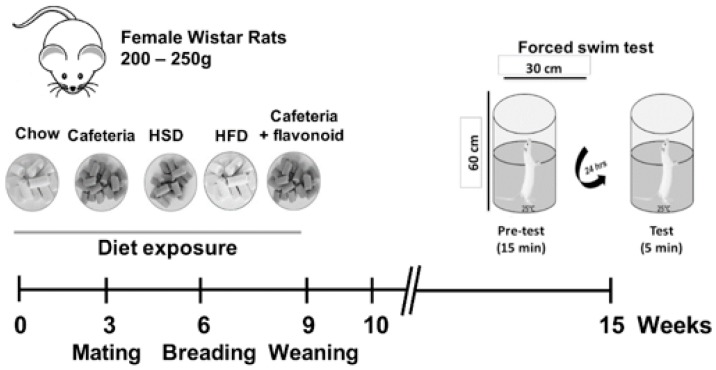
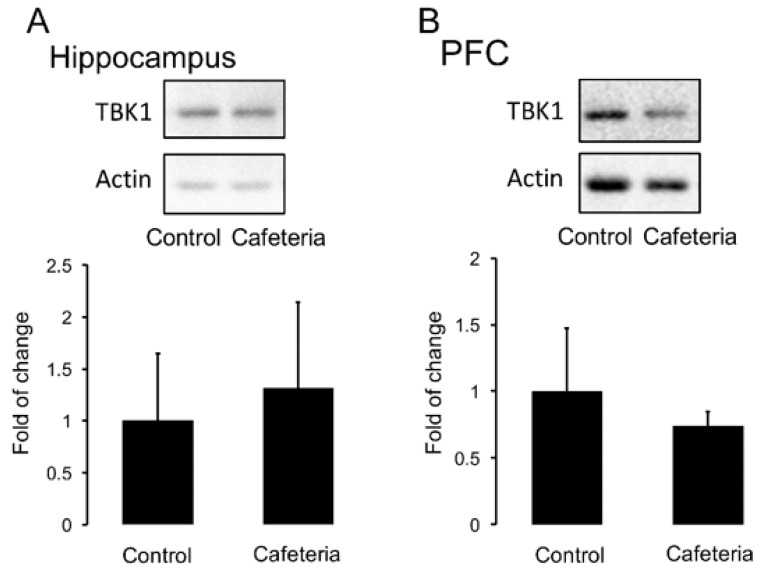
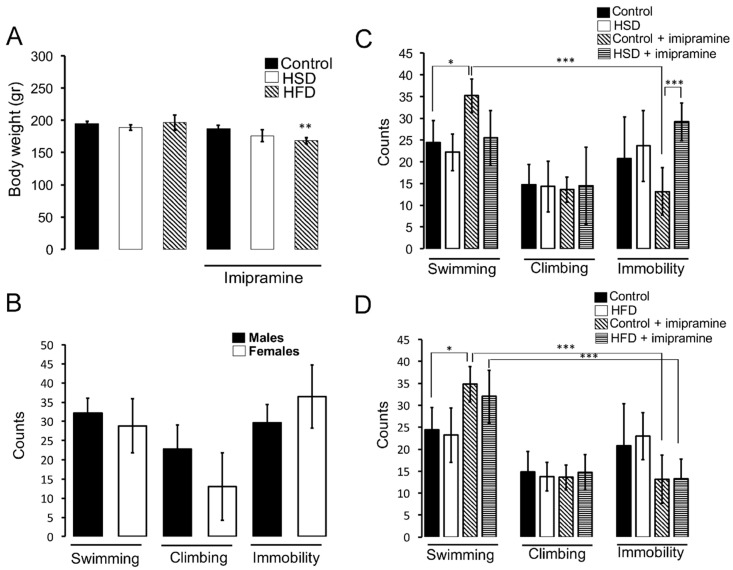
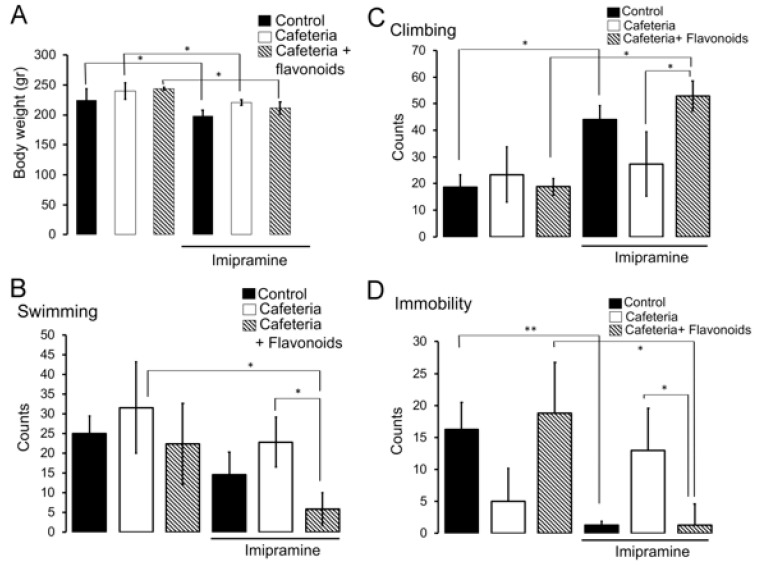
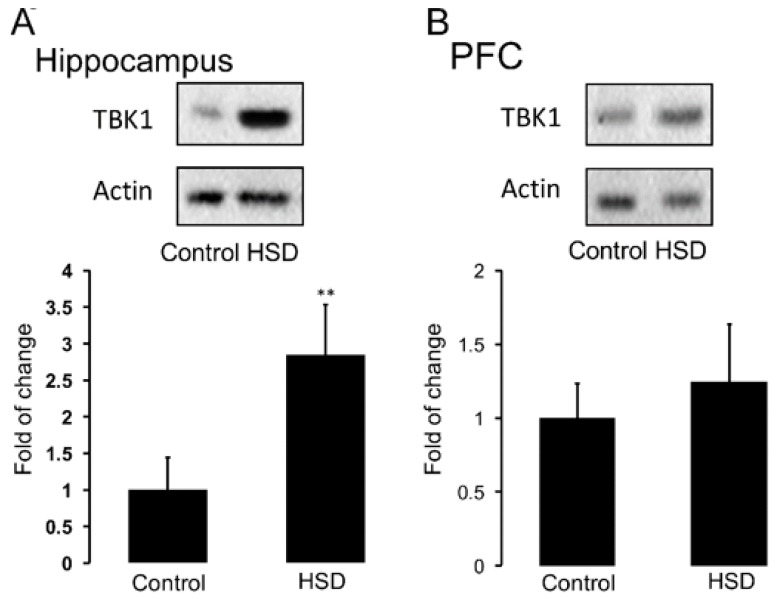
Maternal hypercaloric exposure during pregnancy and lactation is a risk factor for developing diseases associated with inflammation such as obesity, diabetes and, neurological diseases in the offspring. Neuroinflammation might modulate neuronal activation and flavonoids are dietary compounds that have been proven to exert anti-inflammatory properties. Thus, the aim of the present study is to evaluate the effect of maternal supplementation with flavonoids (kaempferol-3--glucoside and narirutin) on the prevention of depression-like behaviour in the female offspring of dams fed with an obesogenic diet during the perinatal period. Maternal programming was induced by high fat (HFD), high sugar (HSD), or cafeteria diets exposure and depressive like-behaviour, referred to as swimming, climbing, and immobility events, was evaluated around postnatal day 56⁻60 before and after 30 mg/kg i.p. imipramine administration in the female offspring groups. Central inflammation was analyzed by measuring the TANK binding kinase 1 (TBK1) expression. We found that the offspring of mothers exposed to HSD programming failed to show the expected antidepressant effect of imipramine. Also, imipramine injection, to the offspring of mothers exposed to cafeteria diet, displayed a pro-depressive like-behaviour phenotype. However, dietary supplementation with flavonoids reverted the depression-like behaviour in the female offspring. Finally, we found that HSD programming increases the TBK1 inflammatory protein marker in the hippocampus. Our data suggest that maternal HSD programming disrupts the antidepressant effect of imipramine whereas cafeteria diet exposure leads to depressive-like behaviour in female offspring, which is reverted by maternal flavonoid supplementation.
孕期和哺乳期母体高卡路里暴露是导致后代肥胖、糖尿病和神经疾病等炎症相关疾病的风险因素。神经炎症可能调节神经元激活,而类黄酮是已被证明具有抗炎特性的膳食化合物。因此,本研究旨在评估母体补充类黄酮(山奈酚-3-O-葡萄糖苷和柚皮苷)对预防围产期高脂肪(HFD)、高糖(HSD)或自助餐饮食暴露的母鼠后代出现抑郁样行为的影响。抑郁样行为,如游泳、攀爬和不动事件,在产后第 56-60 天左右进行评估,在雌性后代组中,在 30mg/kg 腹腔注射丙咪嗪前后进行评估。通过测量 TANK 结合激酶 1(TBK1)表达来分析中枢炎症。我们发现,HSD 编程母鼠的后代未能表现出丙咪嗪预期的抗抑郁作用。此外,丙咪嗪注射到暴露于自助餐饮食的母鼠的后代中,表现出促抑郁样行为表型。然而,用类黄酮进行饮食补充可逆转雌性后代的抑郁样行为。最后,我们发现 HSD 编程增加了海马体中 TBK1 炎症蛋白标志物。我们的数据表明,母体 HSD 编程破坏了丙咪嗪的抗抑郁作用,而自助餐饮食暴露导致雌性后代出现抑郁样行为,母体类黄酮补充可逆转这种行为。