Department of Medical Parasitology, School of Medicine, Catholic University of Health and Allied Sciences, P.O. Box 1462, Mwanza, Tanzania.
National Institute for Medical Research, Tanga Research Center, Tanga, Tanzania.
Malar J. 2019 Mar 12;18(1):71. doi: 10.1186/s12936-019-2697-y.
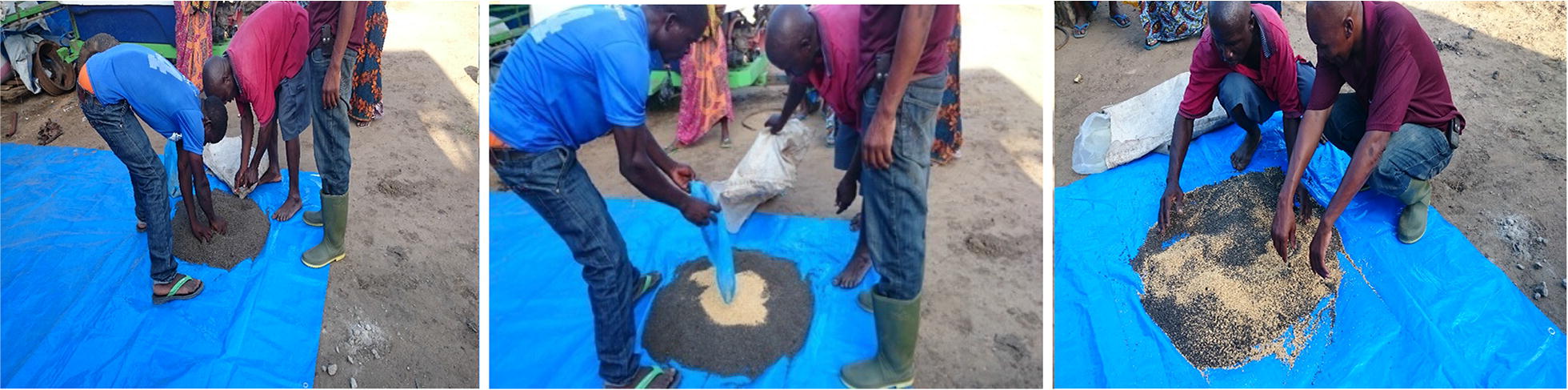
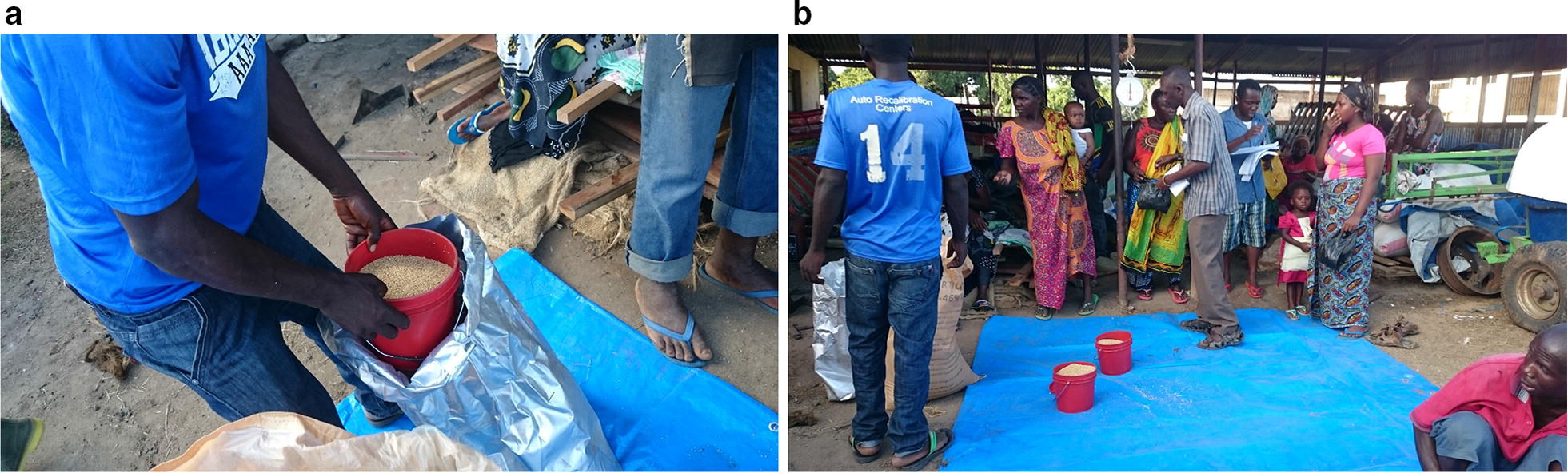
The use of larval source management as a supplementary intervention for malaria control has not been widely used in rural Africa due to perceived high costs and complex logistics. To reduce the cost of larviciding in rice farming communities, concurrent application of biolarvicides and fertilizer in rice fields was introduced to control malaria vectors larvae and improve rice grain yields. The present study determined rice farmers' perceptions and acceptability in the use of a combination of biolarvicide and fertilizers in farming practices.
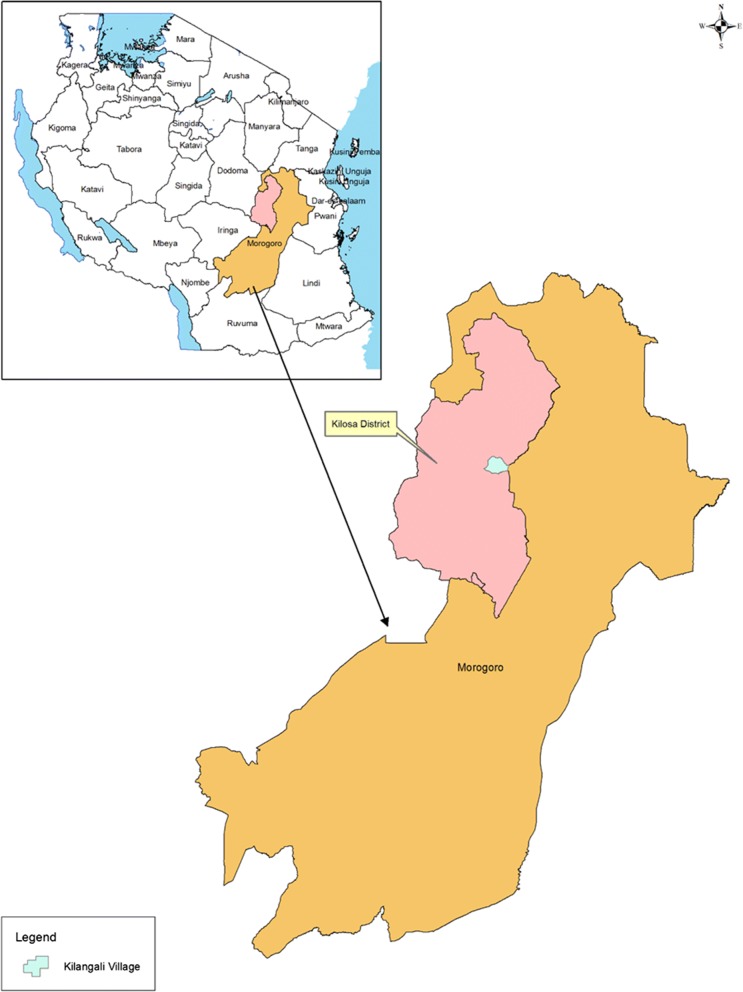
This was a qualitative study conducted among rice farmers at Kilangali village, south-central Tanzania. Semi-structured interviews and three focus group discussions (FGDs) were conducted with men and women who participated in the biolarvicide and fertilizer application project. The interviews and discussion focused on knowledge, attitudes and perceptions of participants on the use of the innovation in their farming practices and their willingness to pay for the innovation.
A total of 40 (mean age = 38.8 ± 10.12 years) rice farmers were involved in the study. Overall, all farmers agreed that it was possible to apply the two products concurrently with minimal challenges. The trust on the safety of biolarvicides on both human and paddy health was high. Respondents reported no challenge in preparation and applying the product in their rice fields. Over half (56.6%) of the participants reported an average decrease in mosquito density in their households and a quarter (26.6%) of them reported a decrease in mosquito population in their farms. Similarly, 93.3% of the participants reported that the intervention had reduced malaria risk in their households. In general, all participants expressed willingness to contribute to a biolarvicide and fertilizer programme and to use the approach in their farming practices.
Community-based concurrent application of biolarvicides and fertilizer in rice fields was feasible and led to a perceived reduction in mosquito density. Willingness to pay for the larviciding/fertilizer approach was expressed by participants and they accepted to use the approach in their future farming practices. However, the impact of this approach on malaria transmission and rice grain harvest need to be evaluated in a large-scale programme.
由于幼虫源管理的成本高且物流复杂,在农村非洲,幼虫源管理并未被广泛用作疟疾控制的补充干预措施。为降低稻田灭幼虫的成本,在稻田中同时应用生物杀幼虫剂和肥料来控制疟疾媒介幼虫并提高稻谷产量。本研究旨在确定稻田农民对在农业实践中同时使用生物杀幼虫剂和肥料的看法和接受程度。
这是在坦桑尼亚中南部的 Kilangali 村进行的一项定性研究。对参与生物杀幼虫剂和肥料施用项目的男性和女性进行了半结构化访谈和三次焦点小组讨论。访谈和讨论重点关注参与者对将创新应用于其耕作实践的知识、态度和看法,以及他们对创新的支付意愿。
共有 40 名(平均年龄=38.8±10.12 岁)稻田农民参与了这项研究。总的来说,所有农民都认为可以同时应用这两种产品,而且几乎没有挑战。农民对生物杀幼虫剂对人类和稻田健康的安全性高度信任。受访者表示,在他们的稻田中准备和应用产品没有任何挑战。超过一半(56.6%)的参与者报告称,他们家庭中的蚊子密度有所下降,四分之一(26.6%)的参与者报告称他们农场中的蚊子数量有所减少。同样,93.3%的参与者报告称,该干预措施降低了他们家庭中的疟疾风险。总的来说,所有参与者都表示愿意为生物杀幼虫剂和肥料计划做出贡献,并愿意在他们的农业实践中使用这种方法。
在稻田中基于社区的生物杀幼虫剂和肥料同时应用是可行的,并且导致蚊子密度的感知降低。参与者表示愿意为这种灭幼虫/施肥方法付费,并且他们愿意在未来的农业实践中使用这种方法。然而,这种方法对疟疾传播和稻谷收获的影响需要在一个大型计划中进行评估。