Xu Yang, Geng Rongxin, Yuan Fan'en, Sun Qian, Liu Baohui, Chen Qianxue
Department of Neurosurgery, Renmin Hospital of Wuhan University, Wuhan, Hubei, China.
Brain Tumor Clinical Center of Wuhan, Wuhan, Hubei, China.
PeerJ. 2019 Mar 7;7:e6560. doi: 10.7717/peerj.6560. eCollection 2019.
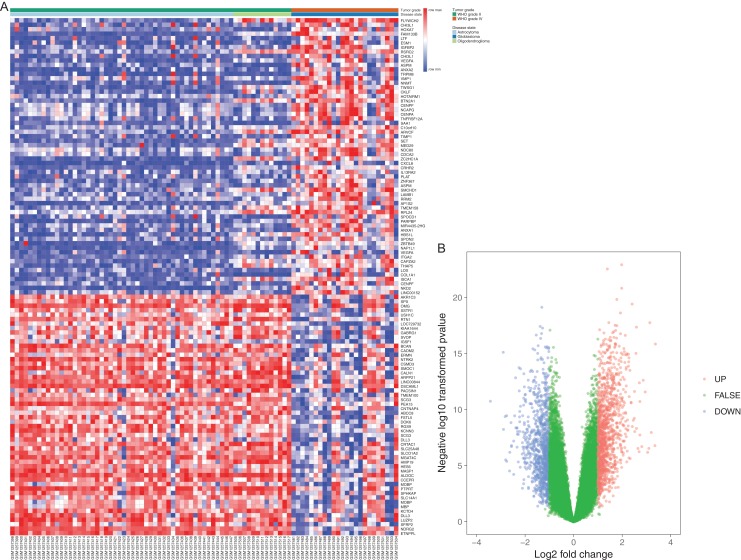
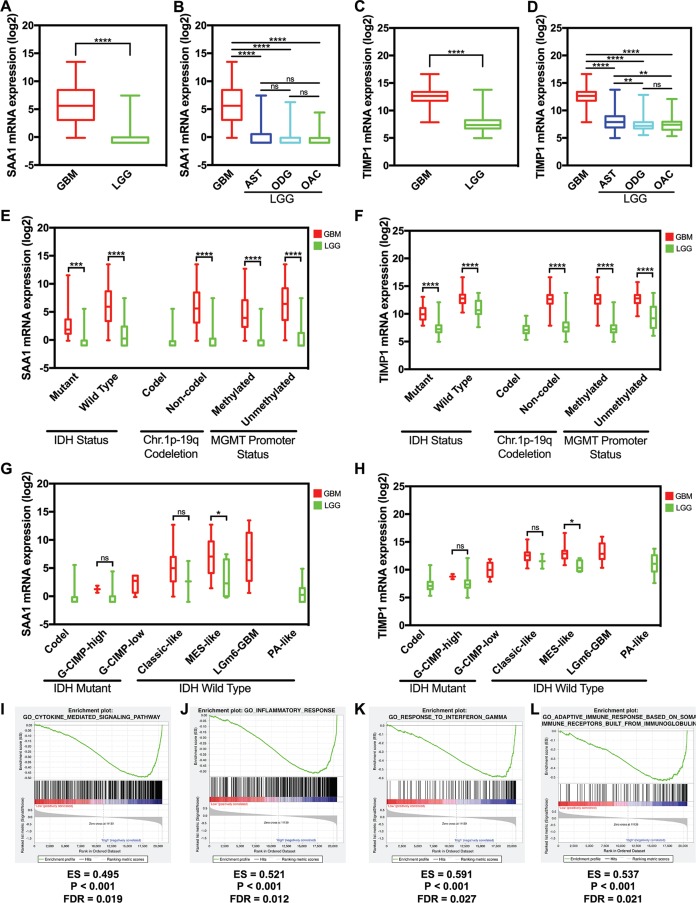
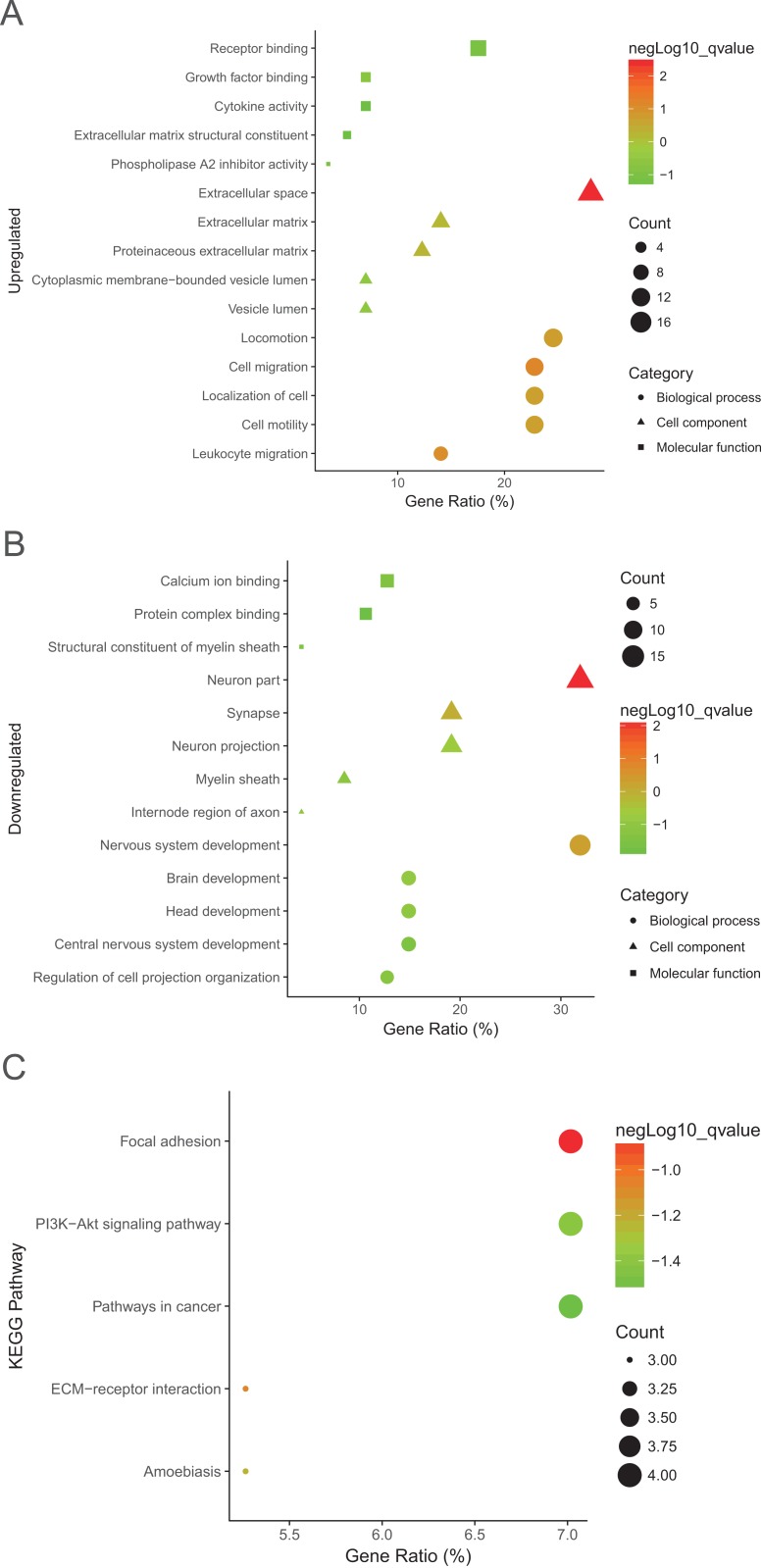
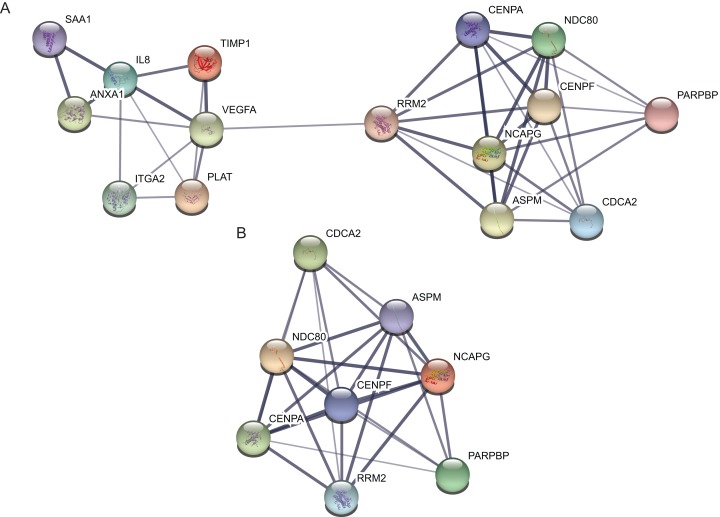
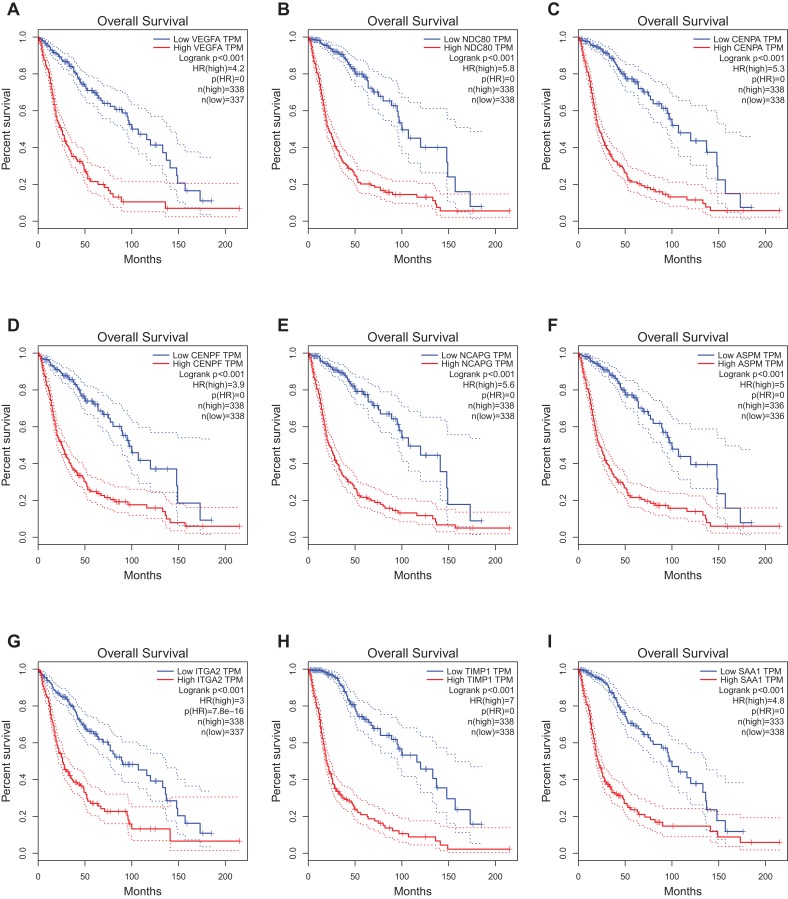
Gliomas are a very diverse group of brain tumors that are most commonly primary tumor and difficult to cure in central nervous system. It's necessary to distinguish low-grade tumors from high-grade tumors by understanding the molecular basis of different grades of glioma, which is an important step in defining new biomarkers and therapeutic strategies. We have chosen the gene expression profile GSE52009 from gene expression omnibus (GEO) database to detect important differential genes. GSE52009 contains 120 samples, including 60 WHO II samples and 24 WHO IV samples that were selected in our analysis. We used the GEO2R tool to pick out differently expressed genes (DEGs) between low-grade glioma and high-grade glioma, and then we used the database for annotation, visualization and integrated discovery to perform gene ontology analysis and Kyoto encyclopedia of gene and genome pathway analysis. Furthermore, we used the Cytoscape search tool for the retrieval of interacting genes with molecular complex detection plug-in applied to achieve the visualization of protein-protein interaction (PPI). We selected 15 hub genes with higher degrees of connectivity, including tissue inhibitors metalloproteinases-1 and serum amyloid A1; additionally, we used GSE53733 containing 70 glioblastoma samples to conduct Gene Set Enrichment Analysis. In conclusion, our bioinformatics analysis showed that DEGs and hub genes may be defined as new biomarkers for diagnosis and for guiding the therapeutic strategies of glioblastoma.
神经胶质瘤是一组非常多样化的脑肿瘤,最常见的是原发性肿瘤,在中枢神经系统中难以治愈。通过了解不同级别神经胶质瘤的分子基础来区分低级别肿瘤和高级别肿瘤很有必要,这是定义新生物标志物和治疗策略的重要一步。我们从基因表达综合数据库(GEO)中选择了基因表达谱GSE52009来检测重要的差异基因。GSE52009包含120个样本,其中包括我们分析中选择的60个WHO II级样本和24个WHO IV级样本。我们使用GEO2R工具挑选出低级别神经胶质瘤和高级别神经胶质瘤之间的差异表达基因(DEG),然后使用注释、可视化和综合发现数据库进行基因本体分析和京都基因与基因组百科全书通路分析。此外,我们使用Cytoscape搜索工具检索相互作用基因,并应用分子复合物检测插件实现蛋白质-蛋白质相互作用(PPI)的可视化。我们选择了15个连接度较高的枢纽基因,包括金属蛋白酶组织抑制剂-1和血清淀粉样蛋白A1;此外,我们使用包含70个胶质母细胞瘤样本的GSE53733进行基因集富集分析。总之,我们的生物信息学分析表明,差异表达基因和枢纽基因可被定义为胶质母细胞瘤诊断和指导治疗策略的新生物标志物。