Department of Neonatology, Copenhagen University Hospital-Rigshospitalet, Copenhagen, Denmark.
PLoS One. 2019 Mar 14;14(3):e0213537. doi: 10.1371/journal.pone.0213537. eCollection 2019.
We hypothesized that compromised cardiac output in asphyxiated infants may influence on the rate of disappearance of lactate due to insufficient perfusion.
The study was a prospective, observational study, where infants with perinatal asphyxia who met the criteria for therapeutic hypothermia were included. Cardiac output, stroke volume and heart rate were measured by electrical velocimetry in 15 newborn infants with perinatal asphyxia during the first six hours of active therapeutic hypothermia. Results from routine blood samples were collected retrospectively. Cardiac parameters were also measured in 10 healthy, term infants after caesarian section. Cardiac parameters were compared between the asphyxiated group and the control group prior to and during hypothermia. Rate of disappearance of lactate was correlated to cardiac output in the asphyxiated infants.
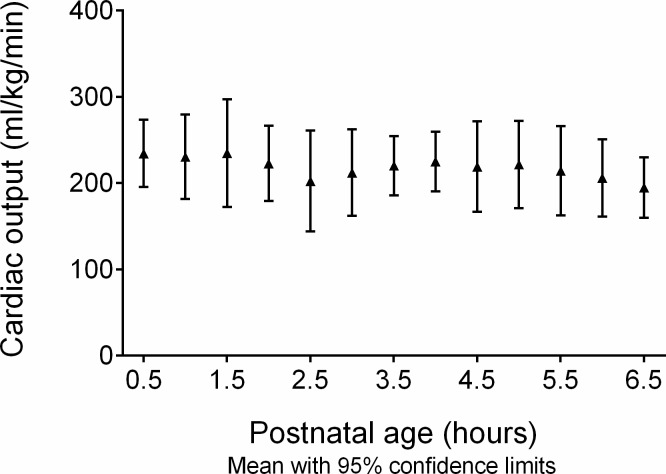
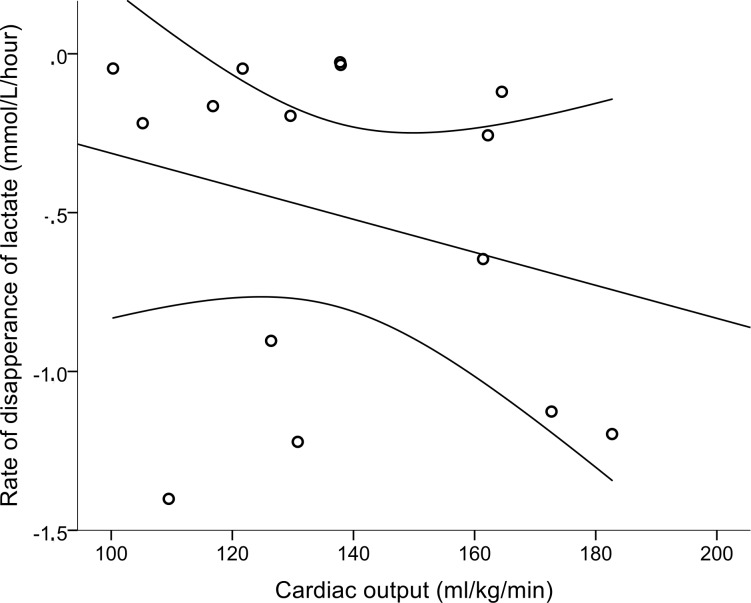
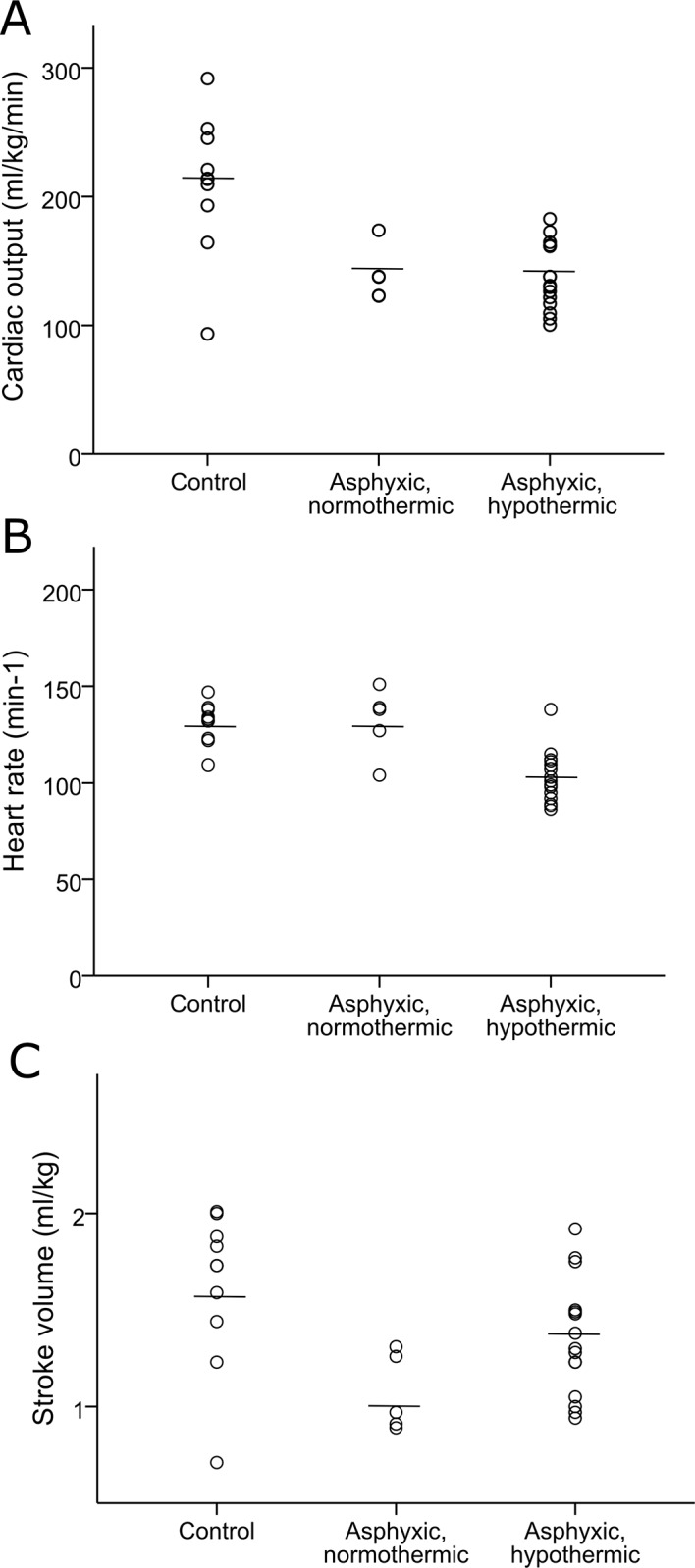
Cardiac output was stable in the healthy infants from 0.5 to 6 hours postnatally. The infants with perinatal asphyxia had lower cardiac output prior to and during therapeutic hypothermia compared to the control group. Rate of disappearance of lactate was not related to cardiac output.
An association between disappearance of lactate acidosis and low cardiac output was not confirmed. A low rate of disappearance of lactate may rather be an indicator of organ injury due to asphyxia.
我们假设窒息婴儿心输出量受损可能会因灌注不足而影响乳酸清除率。
这是一项前瞻性观察性研究,纳入了符合治疗性低温治疗标准的围产期窒息婴儿。15 例围产期窒息新生儿在主动治疗性低温治疗的头 6 小时内用电动力测量法测量心输出量、每搏量和心率。回顾性收集常规血液样本的结果。在剖宫产术后,还对 10 例健康足月婴儿进行了心脏参数测量。在低温治疗前后,比较窒息组和对照组的心脏参数。窒息婴儿的乳酸清除率与心输出量相关。
健康婴儿的心输出量在出生后 0.5 至 6 小时内保持稳定。与对照组相比,围产期窒息婴儿在治疗性低温治疗前和治疗期间的心输出量较低。乳酸清除率与心输出量无关。
未证实乳酸酸中毒的消失与低心输出量之间存在关联。乳酸清除率低可能是窒息导致器官损伤的指标。