Department of Pharmacology and Experimental Neuroscience, College of Medicine, University of Nebraska Medical Center, Omaha, NE, United States.
Department of Pharmaceutical Sciences, College of Pharmacy, University of Nebraska Medical Center, Omaha, NE, United States.
Front Immunol. 2019 Feb 28;10:340. doi: 10.3389/fimmu.2019.00340. eCollection 2019.
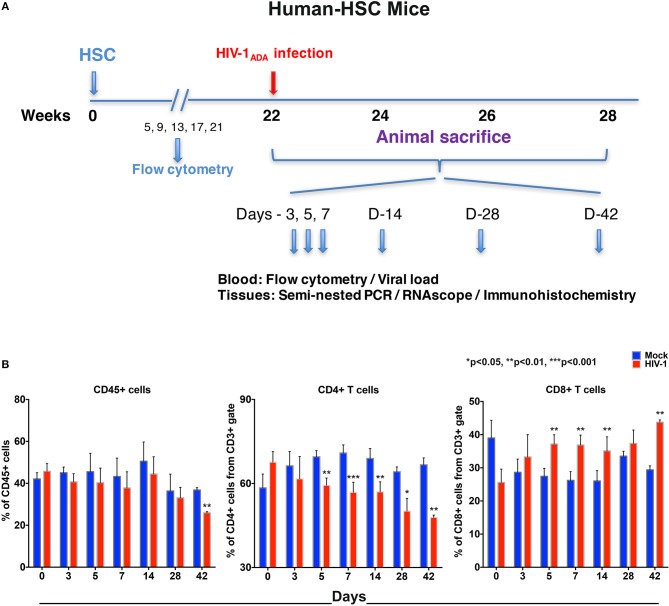
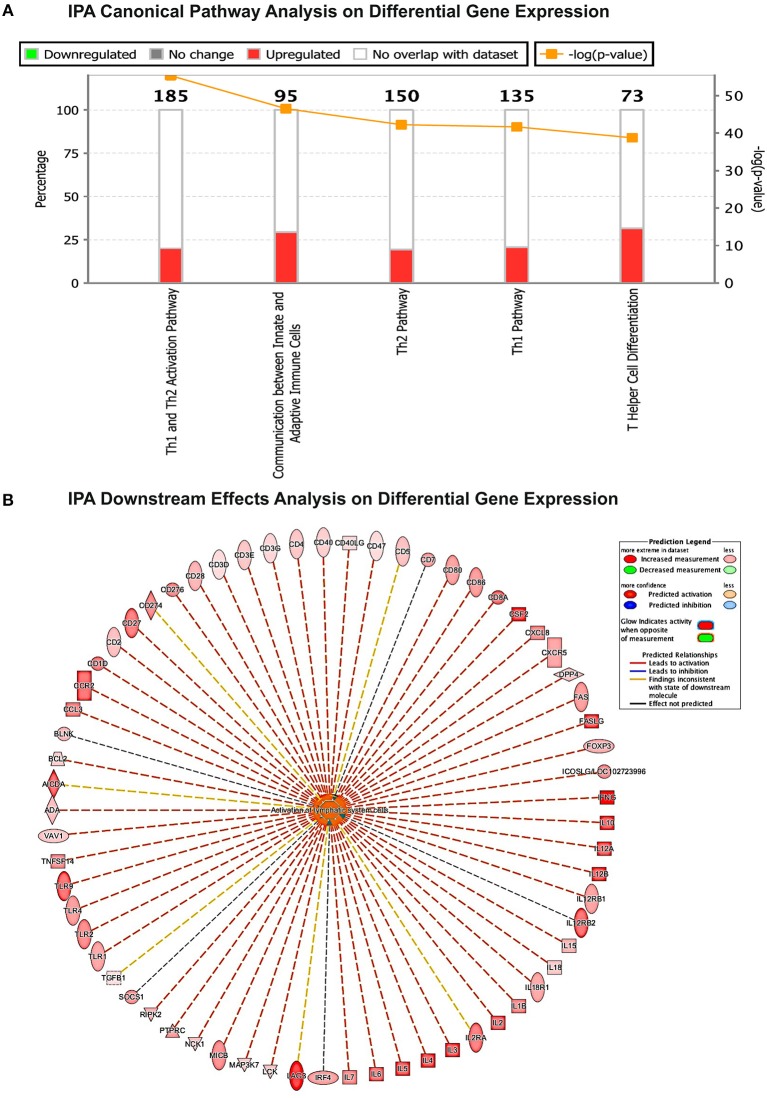
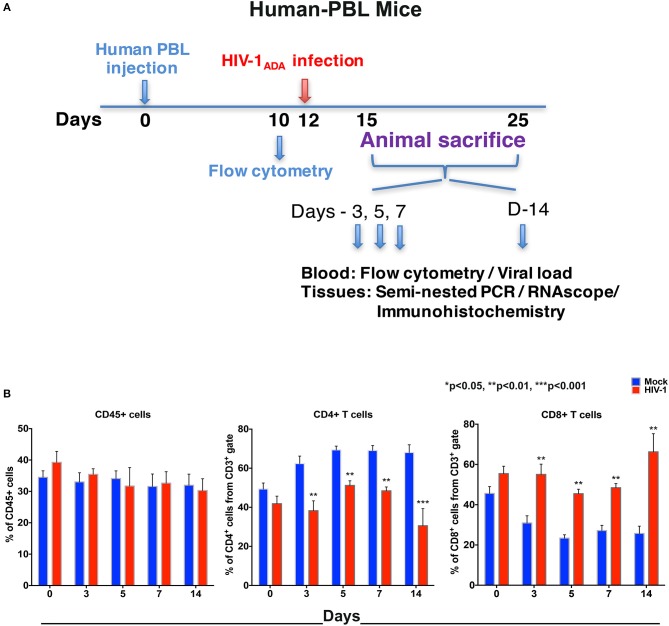
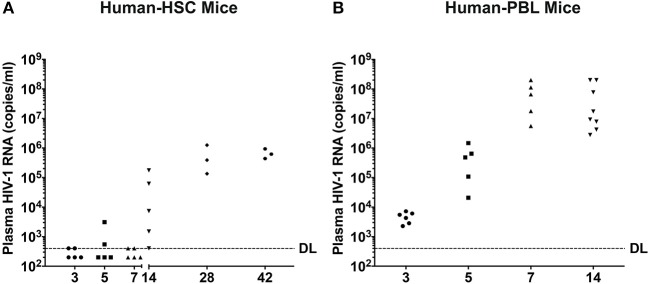
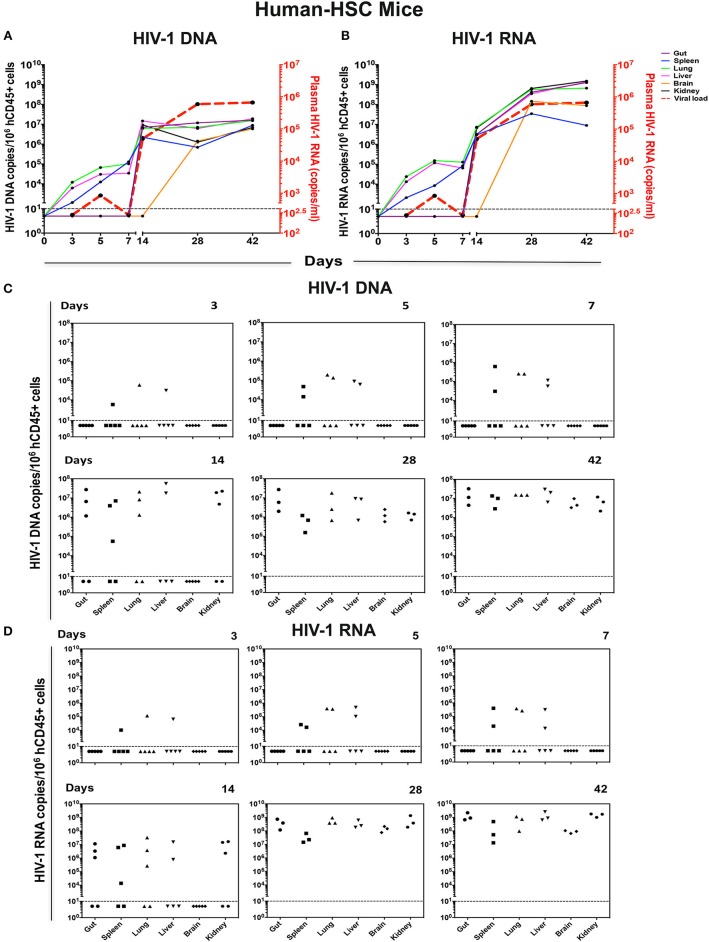
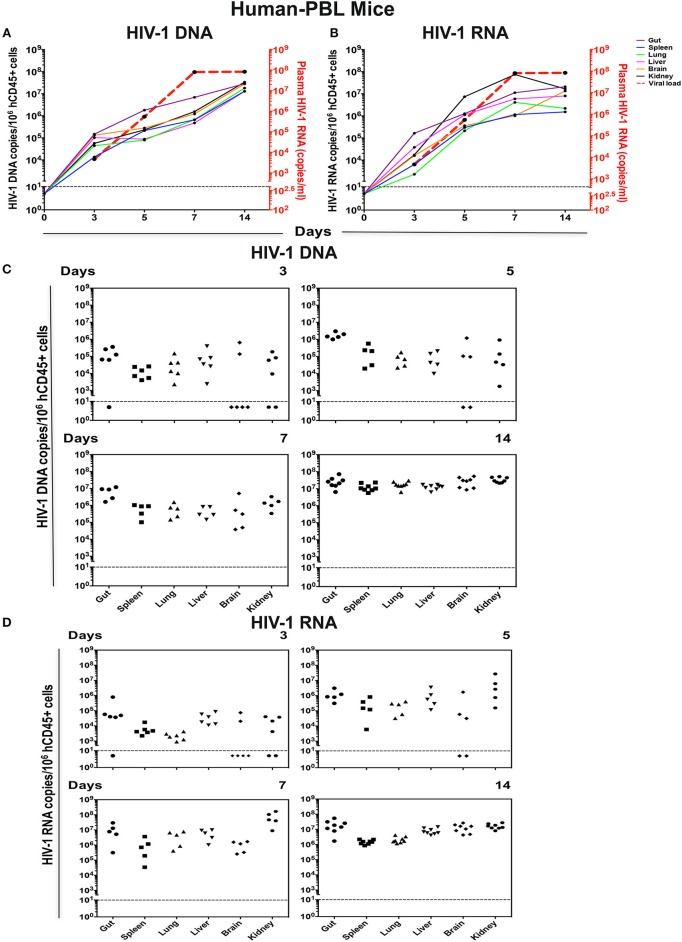
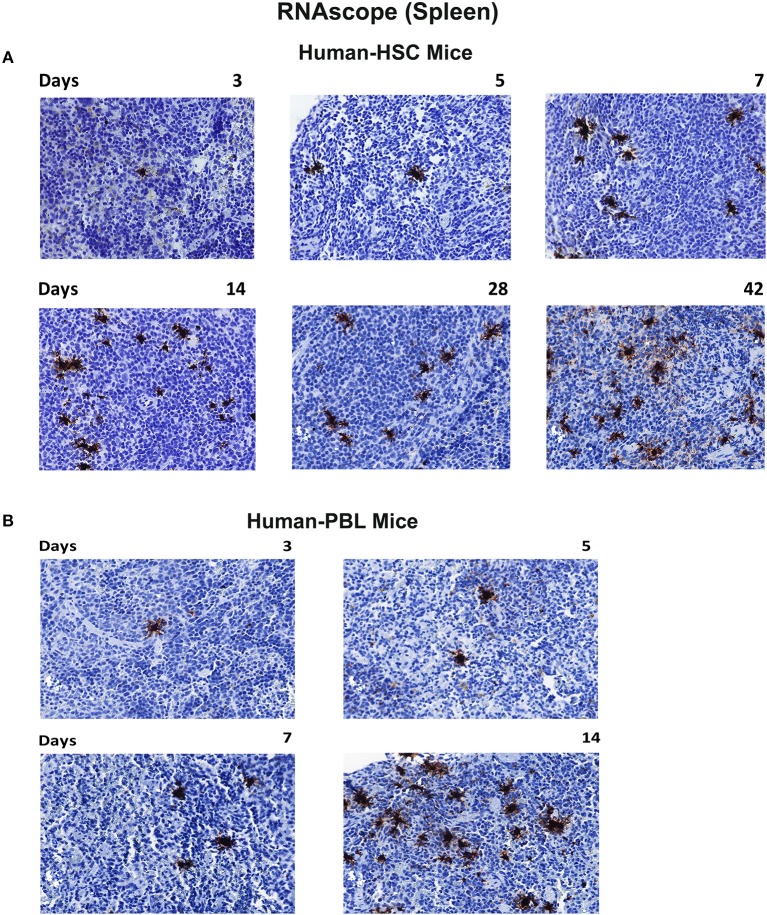
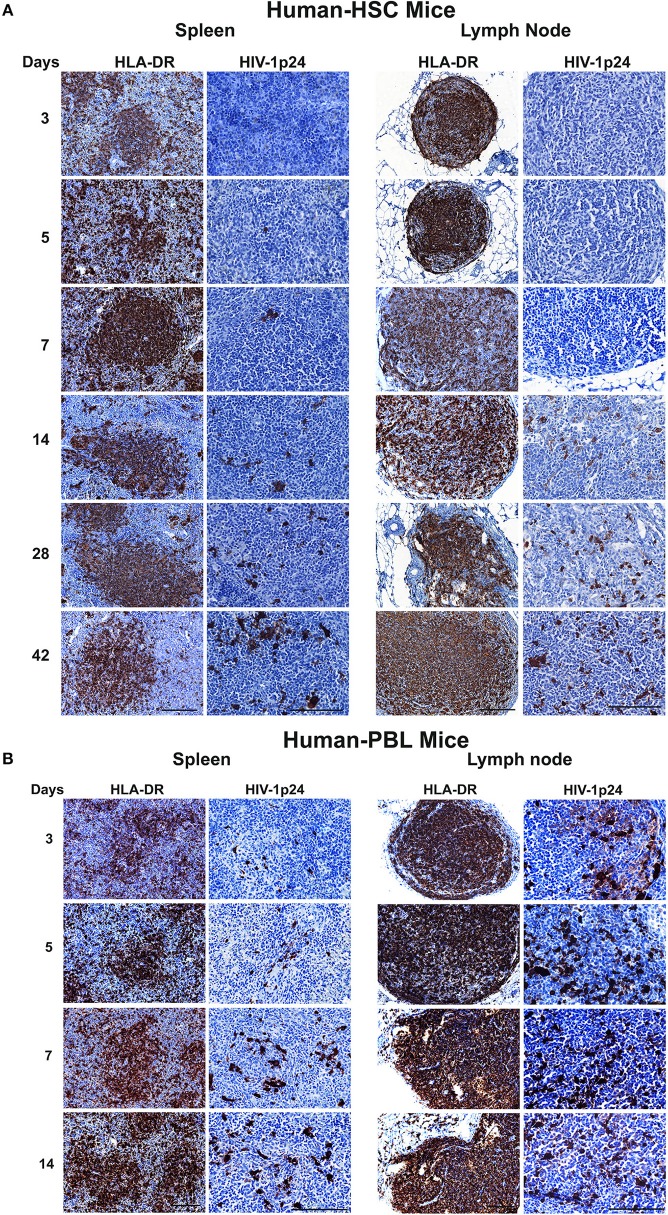
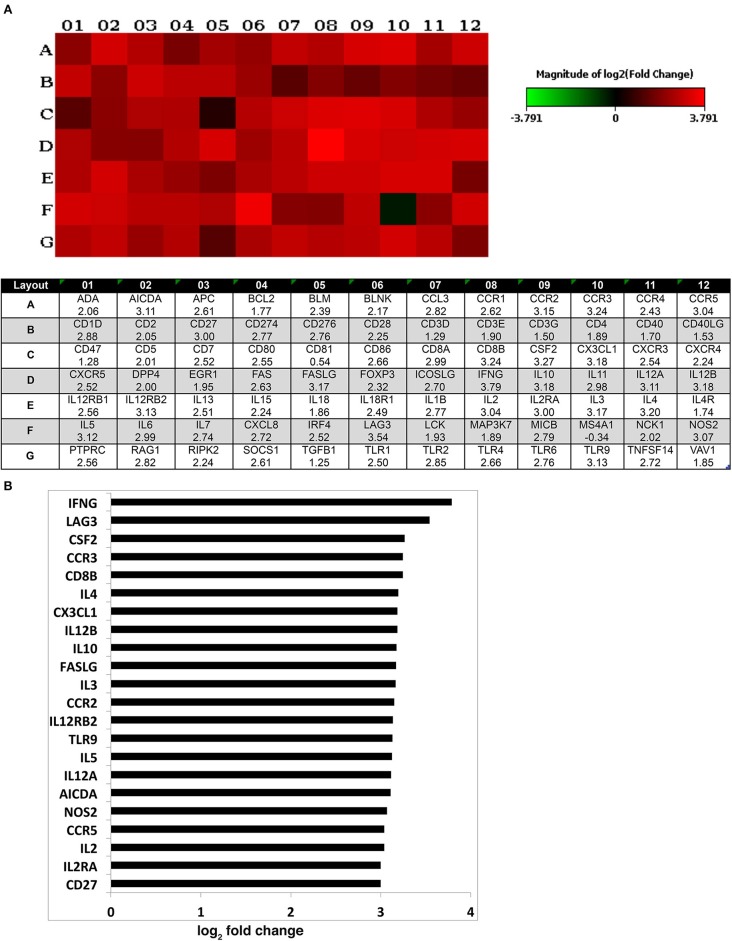
Human immunodeficiency virus type one (HIV-1) tissue compartments are established soon after viral infection. However, the timing in which virus gains a permanent foothold in tissue and the cellular factors that control early viral-immune events are incompletely understood. These are critical events in studies of HIV-1 pathogenesis and in the development of viral reservoirs after antiretroviral therapy. Moreover, factors affecting the permanence of viral-tissue interactions underlie barriers designed to eliminate HIV-1 infection. To this end we investigated the temporal and spatial viral and host factors during HIV-1 seeding of tissue compartments. Two humanized NOD.Cg-Prkdc IL2rg/SzJ mouse models were employed. In the first, immune deficient mice were reconstituted with human CD34+ cord blood hematopoietic stem cells (HSC) (hu-HSC) and in the second mice were transplanted with adult mature human peripheral lymphocytes (hu-PBL). Both, in measure, reflect relationships between immune activation and viral infection as seen in an infected human host. Following humanization both mice models were infected with HIV-1 at 10 50% tissue culture infective doses. Viral nucleic acids and protein and immune cell profiles were assayed in brain, lung, spleen, liver, kidney, lymph nodes, bone marrow, and gut from 3 to 42 days. Peripheral CD4+ T cell loss began at 3 days together with detection of HIV-1 RNA in both mouse models after initiation of HIV-1 infection. HIV-1 was observed in all tested tissues at days 3 and 14 in hu- PBL and HSC mice, respectively. Immune impairment was most prominent in hu-PBL mice. T cell maturation and inflammation factors were linked directly to viral tissue seeding in both mouse models. We conclude that early viral tissue compartmentalization provides a roadmap for investigations into HIV-1 elimination.
人类免疫缺陷病毒 1 型(HIV-1)组织隔室在病毒感染后不久即建立。然而,病毒在组织中获得永久立足点的时间以及控制早期病毒免疫事件的细胞因素尚不完全清楚。这些都是 HIV-1 发病机制研究以及抗逆转录病毒治疗后病毒储存库发展的关键事件。此外,影响病毒-组织相互作用持久性的因素是消除 HIV-1 感染的基础。为此,我们研究了 HIV-1 定植组织隔室时的时间和空间病毒及宿主因素。我们使用了两种人源化 NOD.Cg-Prkdc IL2rg/SzJ 小鼠模型。在第一种模型中,免疫缺陷小鼠用人 CD34+脐带血造血干细胞(HSC)(hu-HSC)重建,在第二种模型中,小鼠移植了成人成熟的人外周淋巴细胞(hu-PBL)。这两种模型都在一定程度上反映了感染人类宿主中免疫激活与病毒感染之间的关系。在人源化后,两种小鼠模型均以 10 50%组织培养感染剂量感染 HIV-1。在感染 HIV-1 后 3 至 42 天,从大脑、肺、脾、肝、肾、淋巴结、骨髓和肠道中检测到病毒核酸和蛋白以及免疫细胞谱。外周 CD4+T 细胞损失始于第 3 天,两种小鼠模型在感染 HIV-1 后第 3 天均检测到 HIV-1 RNA。在 hu-PBL 和 HSC 小鼠中,分别在第 3 天和第 14 天观察到 HIV-1 在所有测试组织中。免疫损伤在 hu-PBL 小鼠中最为明显。在两种小鼠模型中,T 细胞成熟和炎症因子与病毒组织定植直接相关。我们的结论是,早期的病毒组织隔室化提供了一个研究 HIV-1 消除的路线图。