Centre for Mechanical Technology & Automation (TEMA), University of Aveiro, Aveiro, Portugal.
Department of Mechanical Engineering, University of Aveiro, Aveiro, Portugal.
Sci Rep. 2019 Mar 21;9(1):5001. doi: 10.1038/s41598-019-41540-3.
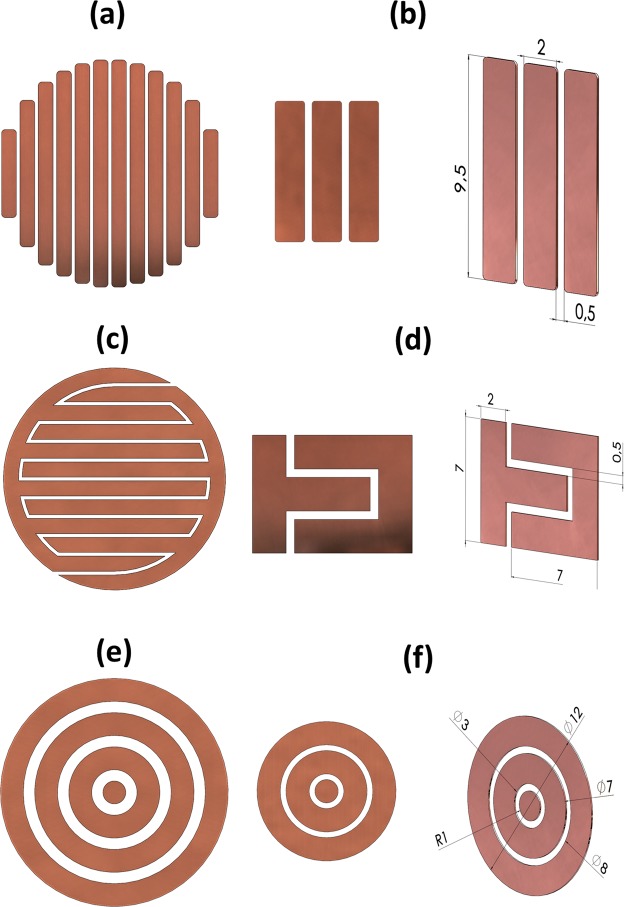
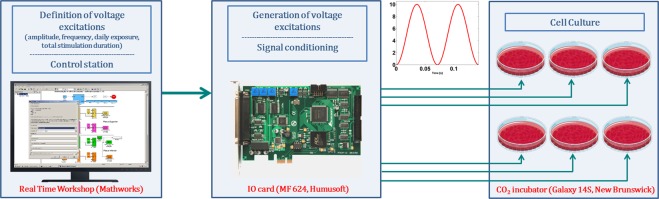
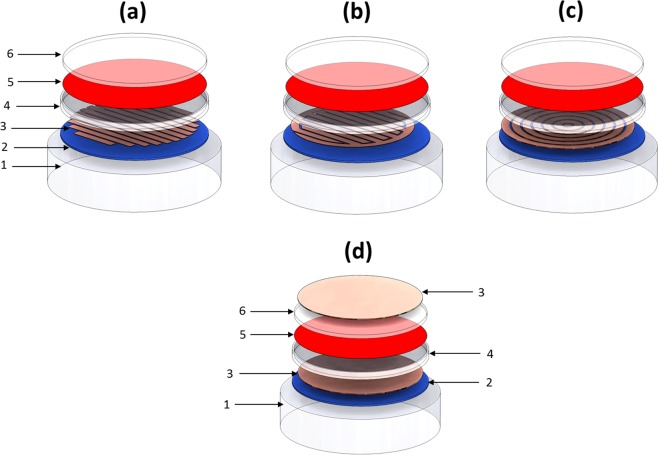
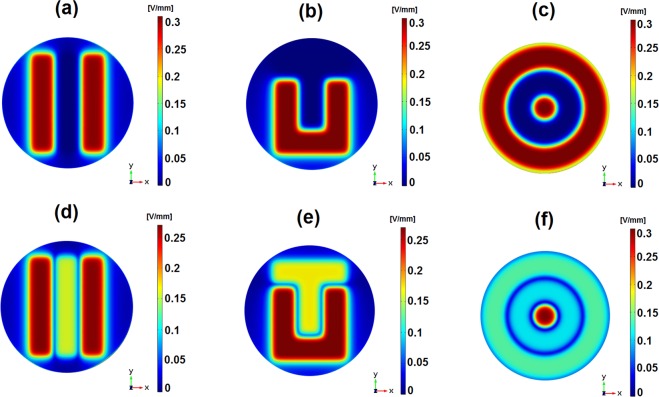
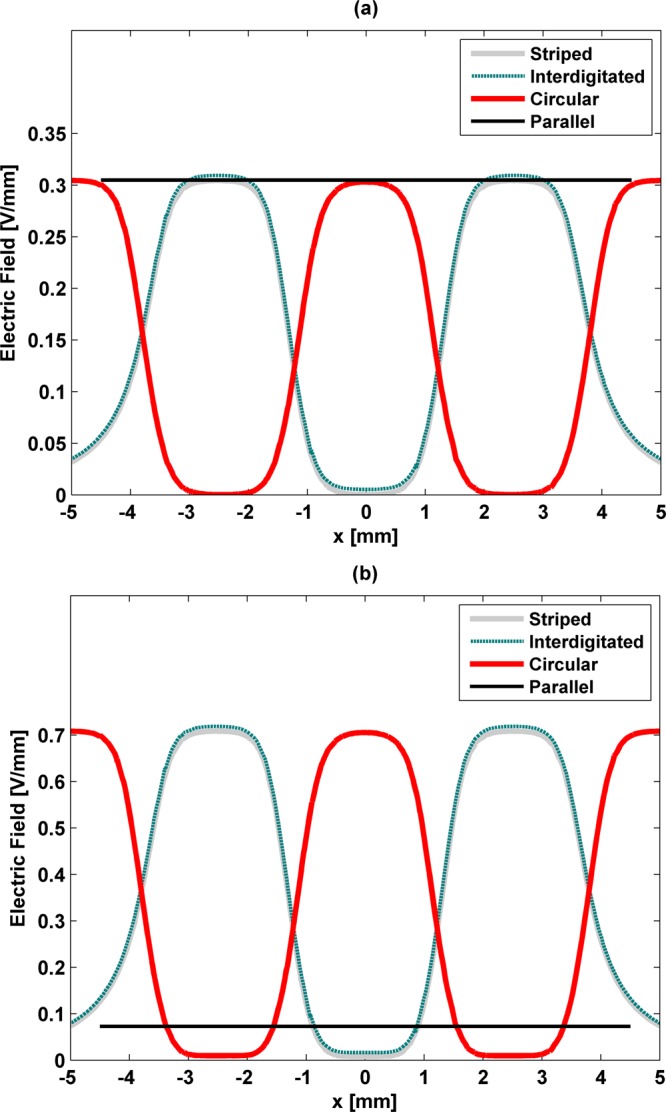
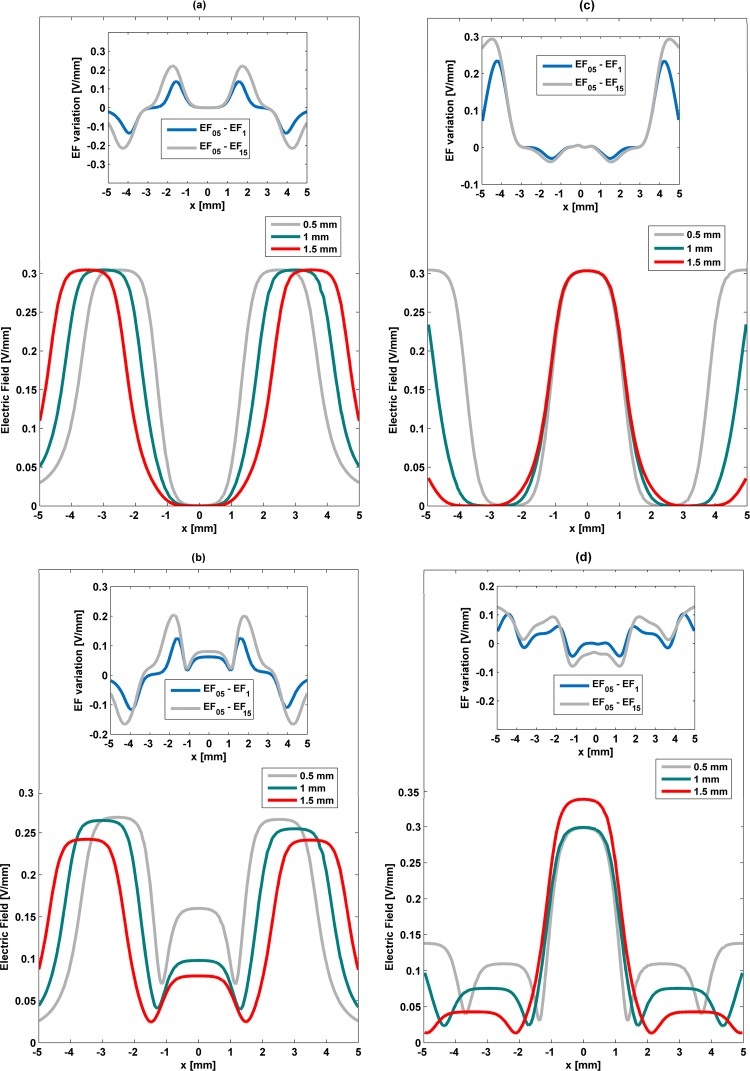
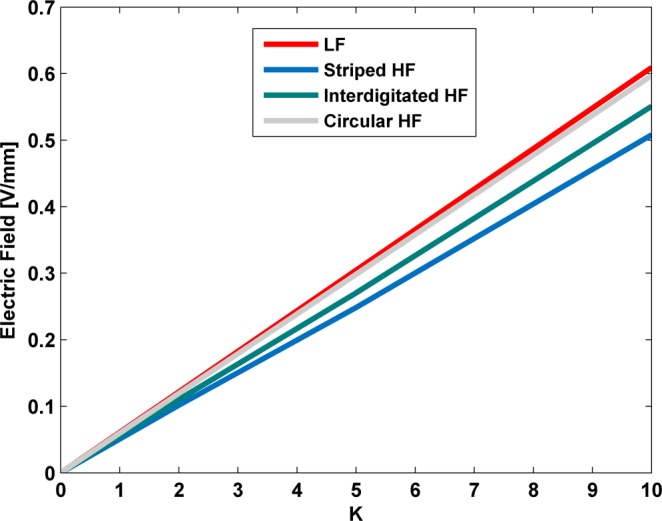
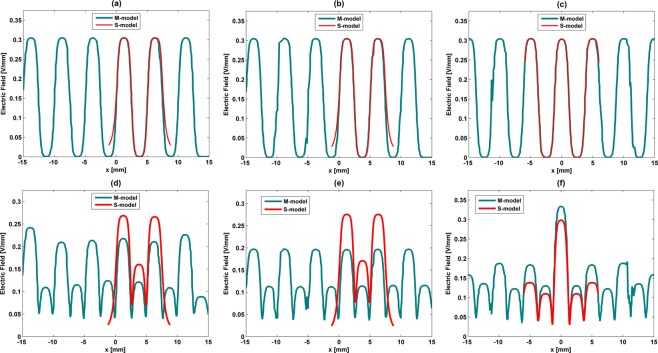
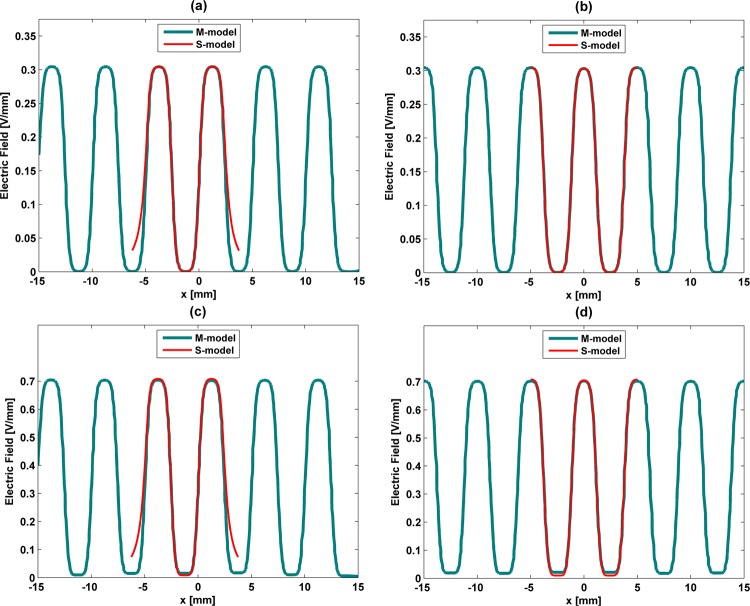
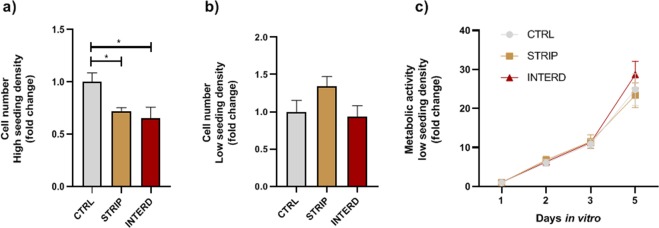
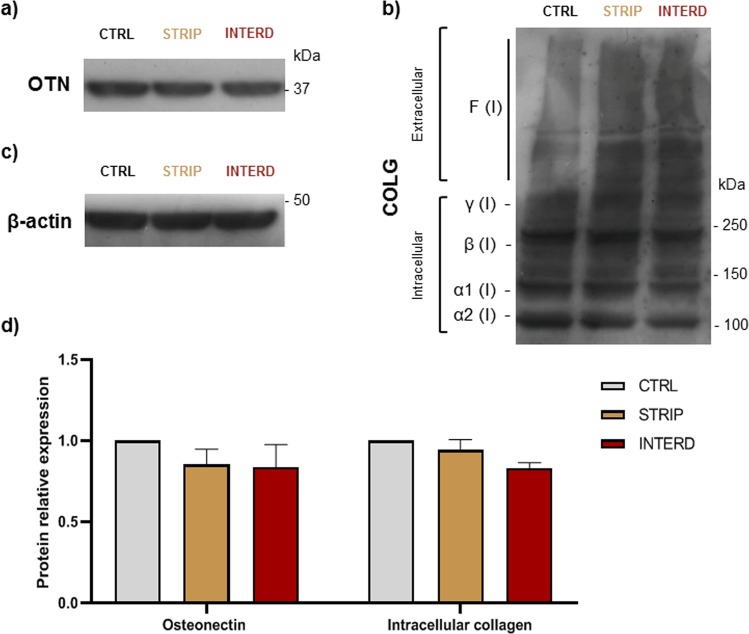
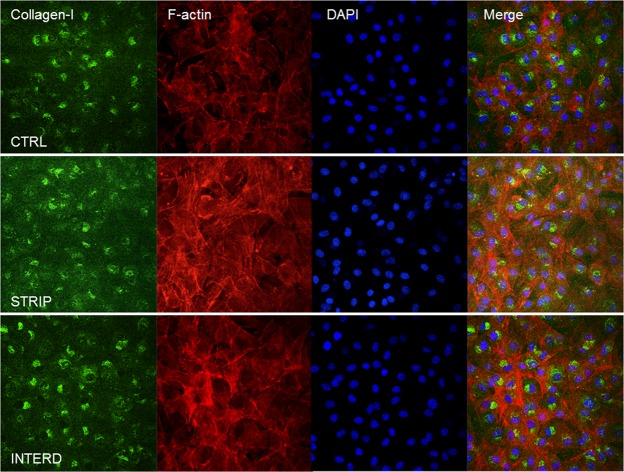
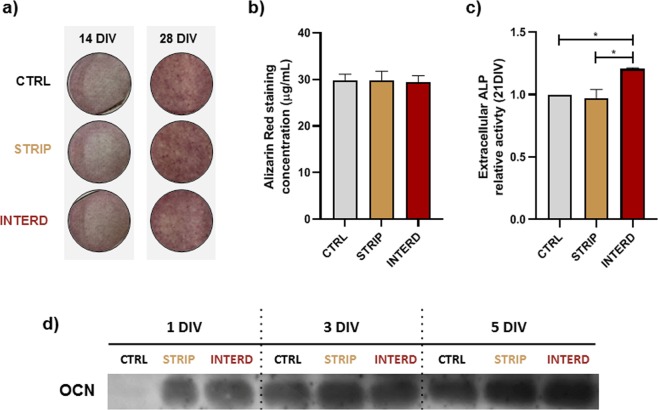
Cosurface electrode architectures are able to deliver personalized electric stimuli to target tissues. As such, this technology holds potential for a variety of innovative biomedical devices. However, to date, no detailed analyses have been conducted to evaluate the impact of stimulator architecture and geometry on stimuli features. This work characterizes, for the first time, the electric stimuli delivered to bone cellular tissues during in vitro experiments, when using three capacitive architectures: stripped, interdigitated and circular patterns. Computational models are presented that predict the influence of cell confluence, cosurface architecture, electrodes geometry, gap size between electrodes and power excitation on the stimuli delivered to cellular layers. The results demonstrate that these stimulators are able to deliver osteoconductive stimuli. Significant differences in stimuli distributions were observed for different stimulator designs and different external excitations. The thickness specification was found to be of utmost importance. In vitro experiments using an osteoblastic cell line highlight that cosurface stimulation at a low frequency can enhance osteoconductive responses, with some electrode-specific differences being found. A major feature of this type of work is that it enables future detailed analyses of stimuli distribution throughout more complex biological structures, such as tissues and organs, towards sophisticated biodevice personalization.
共面电极结构能够将个性化的电刺激传递给目标组织。因此,这项技术在各种创新的生物医学设备中具有潜力。然而,迄今为止,还没有进行详细的分析来评估刺激器结构和几何形状对刺激特性的影响。本工作首次对在体外实验中使用三种电容结构(剥离、叉指和圆形图案)向骨细胞组织传递的电刺激进行了表征。提出了计算模型来预测细胞融合、共面结构、电极几何形状、电极之间的间隙大小和功率激励对细胞层传递的刺激的影响。结果表明,这些刺激器能够传递成骨刺激。不同刺激器设计和不同外部激励下观察到刺激分布的显著差异。发现厚度规格至关重要。使用成骨细胞系的体外实验表明,低频的共面刺激可以增强成骨反应,并且发现了一些电极特异性差异。这项工作的一个主要特点是,它能够对更复杂的生物结构(如组织和器官)中的刺激分布进行未来的详细分析,从而实现复杂的生物设备个性化。