Wu Linyan, Liu Tian, Wang Jue
The Key Laboratory of Biomedical Information Engineering of Ministry of Education, Institute of Health and Rehabilitation Science, School of Life Science and Technology, Xi'an Jiaotong University, Xi'an, China.
National Engineering Research Center of Health Care and Medical Devices, Guangzhou, China.
Front Hum Neurosci. 2021 Jun 7;15:652393. doi: 10.3389/fnhum.2021.652393. eCollection 2021.
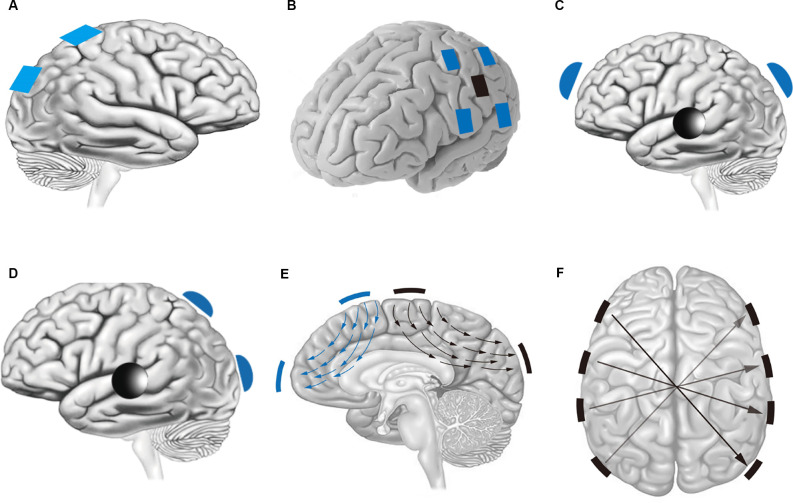
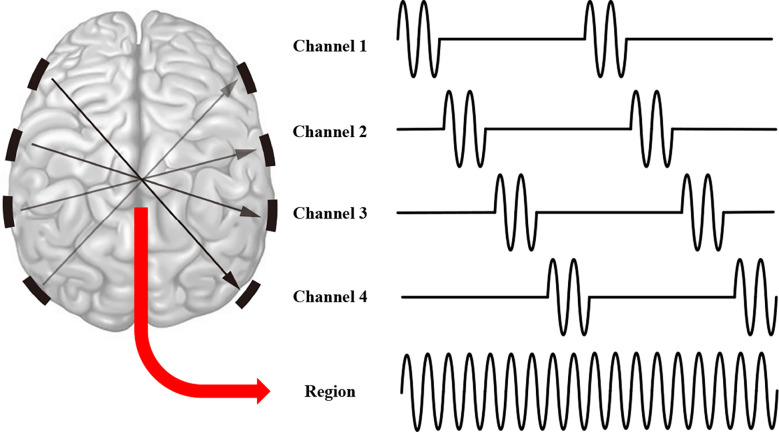
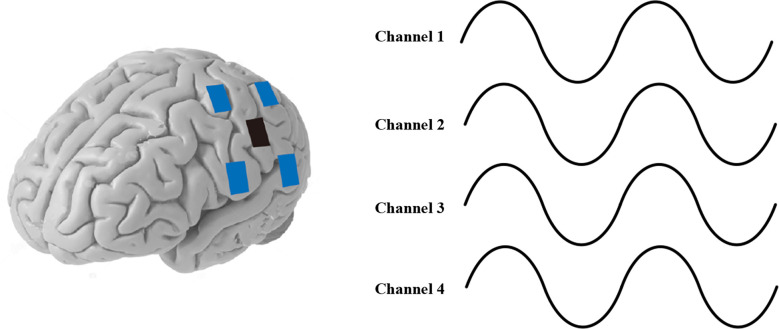
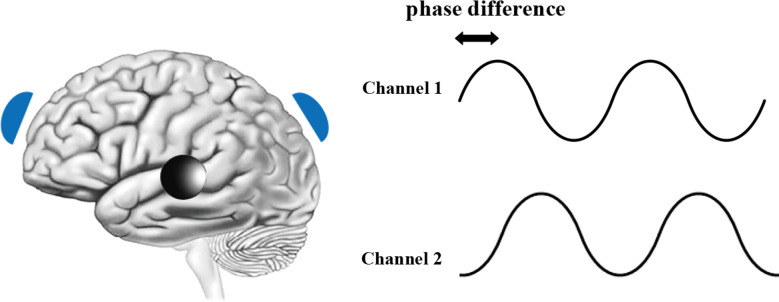
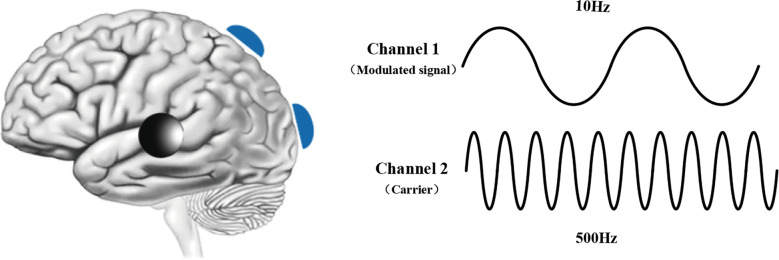
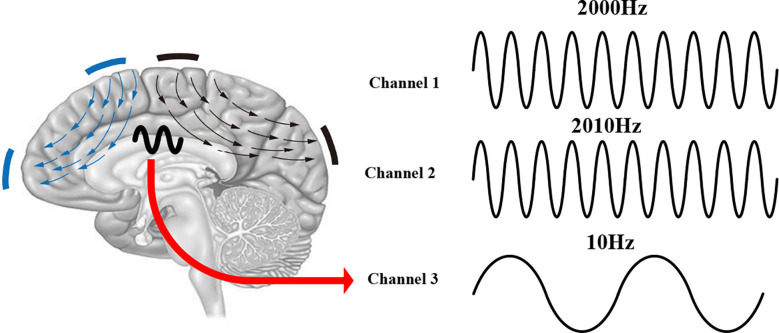
With the development of electrical stimulation technology, traditional transcranial alternating current stimulation (tACS) technology has been found to have the drawback of not targeting a specific area accurately. Studies have shown that optimizing the number and position of electrodes during electrical stimulation has a very good effect on enhancing brain stimulation accuracy. At present, an increasing number of laboratories have begun to optimize tACS. However, there has been no study summarizing the optimization methods of tACS. Determining whether different optimization methods are effective and the optimization approach could provide information that could guide future tACS research. We describe the results of recent research on tACS optimization and integrate the optimization approaches of tACS in recent research. Optimization approaches can be classified into two groups: high-definition electrical stimulation and interference modulation electrical stimulation. The optimization methods can be divided into five categories: high-definition tACS, phase-shifted tACS, amplitude-modulated tACS, the temporally interfering (TI) method, and the intersectional short pulse (ISP) method. Finally, we summarize the latest research on hardware useful for tACS improvement and outline future directions.
随着电刺激技术的发展,传统的经颅交流电刺激(tACS)技术已被发现存在无法精确靶向特定区域的缺点。研究表明,在电刺激过程中优化电极的数量和位置对提高脑刺激精度有很好的效果。目前,越来越多的实验室已开始对tACS进行优化。然而,尚无研究总结tACS的优化方法。确定不同的优化方法是否有效以及优化方法可以提供能够指导未来tACS研究的信息。我们描述了近期关于tACS优化的研究结果,并整合了近期研究中tACS的优化方法。优化方法可分为两类:高清电刺激和干扰调制电刺激。优化方法可分为五类:高清tACS、相移tACS、幅度调制tACS、时间干扰(TI)方法和交叉短脉冲(ISP)方法。最后,我们总结了有助于改进tACS的硬件的最新研究,并概述了未来的方向。