1 Department of Otolaryngology-Head and Neck Surgery, Nanfang Hospital, Southern Medical University, Guangzhou, China.
Cell Transplant. 2019 May;28(5):630-637. doi: 10.1177/0963689719838478. Epub 2019 Mar 27.
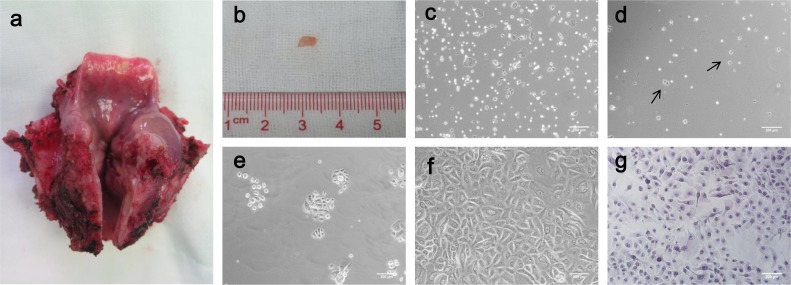
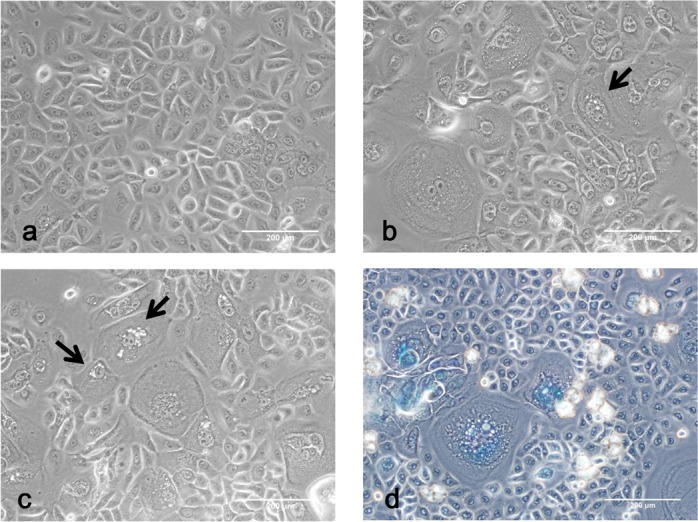
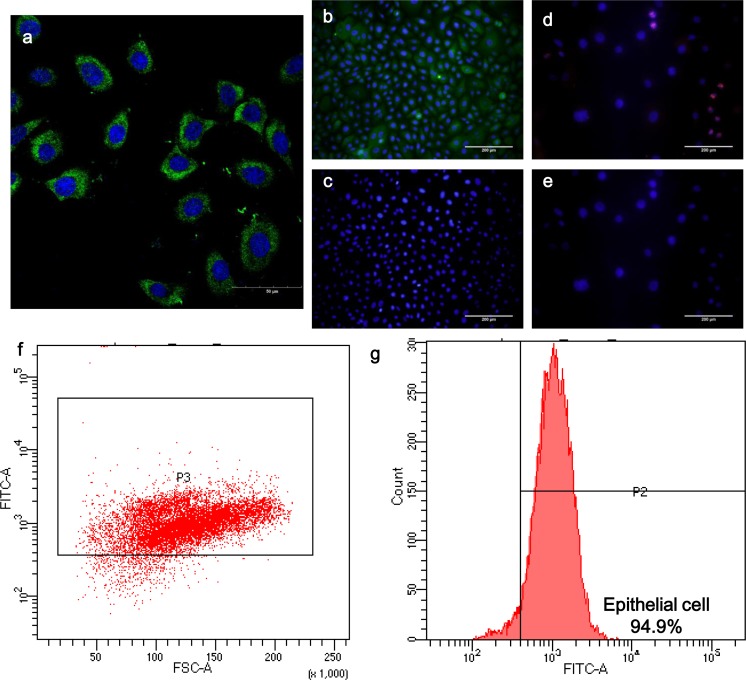
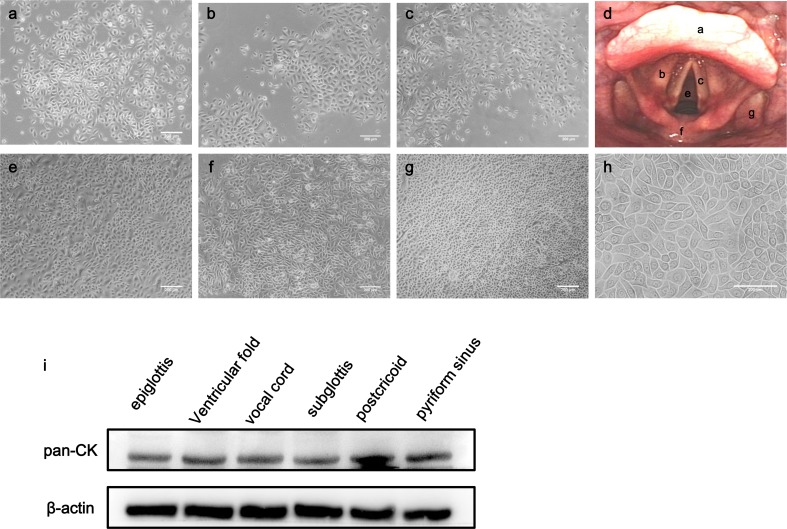
Laryngopharyngeal reflux (LPR) induces a differential damage effect on several anatomic sites within the larynx and hypopharynx; therefore, an in vitro model is needed for each anatomic site. This study aimed to establish a primary culture method for human laryngeal and hypopharyngeal epithelial cells derived from multiple anatomic sites. Surgical mucosa specimens were treated with a two-step enzymatic strategy to establish a primary culture. Of the 46 samples, primary cultivation was achieved successfully with 36 samples, and the positive ratio was 78.3%. In addition, flow cytometry revealed that these primary cells were epithelial cells with a purity of 94.9%. The proliferative ability was confirmed by positive staining for Ki-67. Laryngeal and hypopharyngeal epithelial cells from multiple sites exhibited similar epithelial morphology and positive cytokeratin expression. These cells can be cultured to passage 4. In summary, we successfully established the in vitro epithelial model of larynx and hypopharynx subsites, which may potentially be used as a platform for reflux research, especially for site-specific damage effect.
喉咽反流(LPR)会对喉和下咽的几个解剖部位造成不同的损伤效应;因此,需要为每个解剖部位建立体外模型。本研究旨在建立一种源自多个解剖部位的人喉和下咽上皮细胞的原代培养方法。采用两步酶解策略对手术黏膜标本进行处理,以建立原代培养。在 46 个样本中,成功培养了 36 个样本,阳性率为 78.3%。此外,流式细胞术显示这些原代细胞是上皮细胞,纯度为 94.9%。Ki-67 阳性染色证实了其增殖能力。来自多个部位的喉和下咽上皮细胞表现出相似的上皮形态和角蛋白阳性表达。这些细胞可培养至第 4 代。总之,我们成功建立了喉和下咽亚部位的体外上皮模型,该模型可能可用作反流研究的平台,特别是用于特定部位的损伤效应研究。