Centre for Crop and Disease Management, Curtin University, Perth, Western Australia, Australia.
UWA School of Agriculture and Environment, The University of Western Australia, Perth, Western Australia, Australia.
PLoS One. 2019 Mar 28;14(3):e0214201. doi: 10.1371/journal.pone.0214201. eCollection 2019.
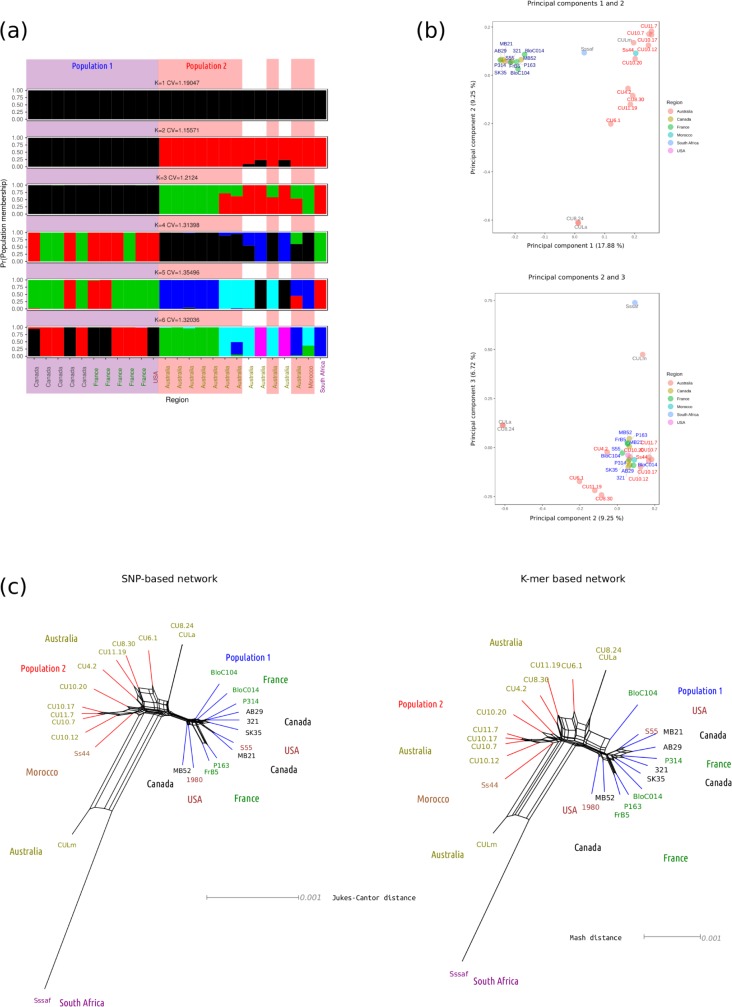
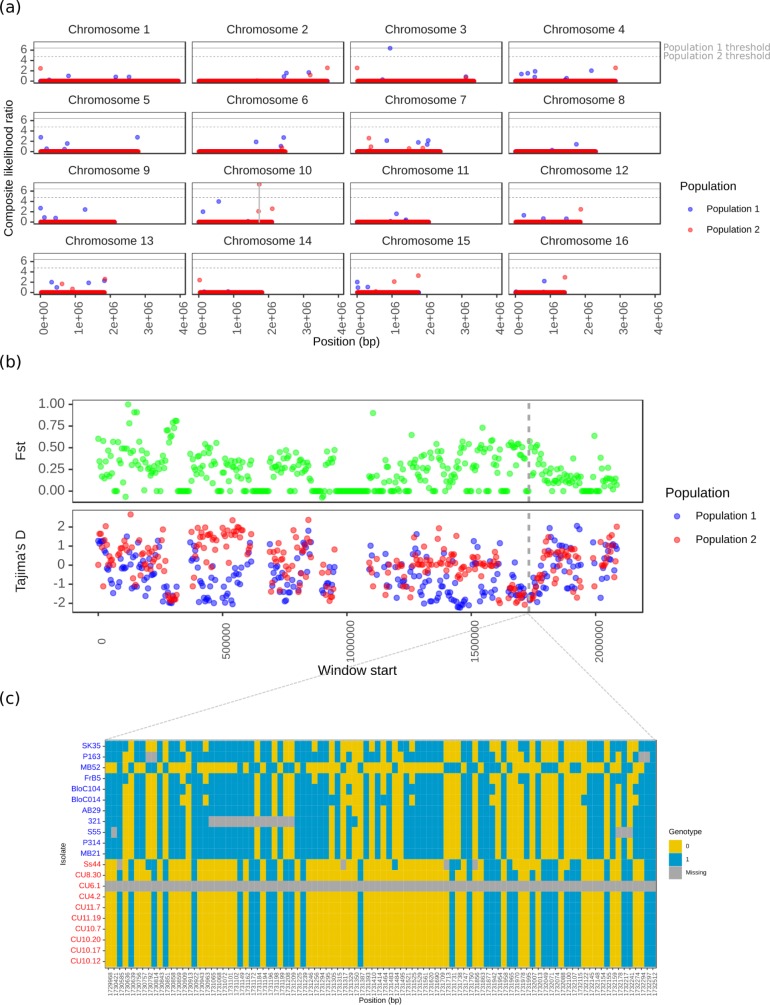
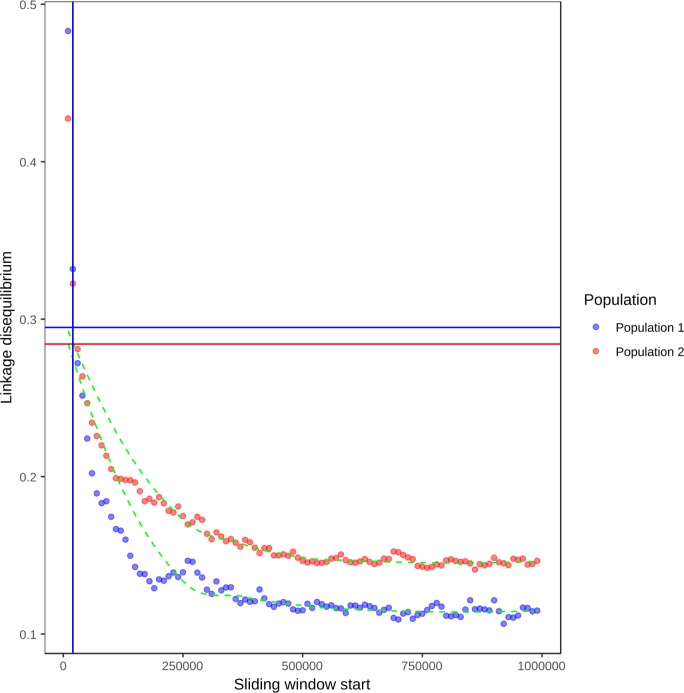
The pathogenic fungus Sclerotinia sclerotiorum infects over 600 species of plant. It is present in numerous environments throughout the world and causes significant damage to many agricultural crops. Fragmentation and lack of gene flow between populations may lead to population sub-structure. Within discrete recombining populations, positive selection may lead to a 'selective sweep'. This is characterised by an increase in frequency of a favourable allele leading to reduction in genotypic diversity in a localised genomic region due to the phenomenon of genetic hitchhiking. We aimed to assess whether isolates of S. sclerotiorum from around the world formed genotypic clusters associated with geographical origin and to determine whether signatures of population-specific positive selection could be detected. To do this, we sequenced the genomes of 25 isolates of S. sclerotiorum collected from four different continents-Australia, Africa (north and south), Europe and North America (Canada and the northen United States) and conducted SNP based analyses of population structure and selective sweeps. Among the 25 isolates, there was evidence for two major population clusters. One of these consisted of 11 isolates from Canada, the USA and France (population 1), and the other consisted of nine isolates from Australia and one from Morocco (population 2). The rest of the isolates were genotypic outliers. We found that there was evidence of outcrossing in these two populations based on linkage disequilibrium decay. However, only a single candidate selective sweep was observed, and it was present in population 2. This sweep was close to a Major Facilitator Superfamily transporter gene, and we speculate that this gene may have a role in nutrient uptake from the host. The low abundance of selective sweeps in the S. sclerotiorum genome contrasts the numerous examples in the genomes of other fungal pathogens. This may be a result of its slow rate of evolution and low effective recombination rate due to self-fertilisation and vegetative reproduction.
病原菌核盘菌可感染 600 多种植物。它存在于世界各地的许多环境中,并对许多农作物造成严重损害。种群之间的碎片化和基因流缺乏可能导致种群亚结构。在离散的重组种群中,正选择可能导致“选择清除”。其特征是有利等位基因的频率增加,导致局部基因组区域的基因型多样性减少,这是由于遗传搭便车现象所致。我们旨在评估来自世界各地的核盘菌分离株是否形成与地理起源相关的基因型聚类,并确定是否可以检测到种群特异性正选择的特征。为此,我们对从四个不同大陆(澳大利亚、非洲(北部和南部)、欧洲和北美(加拿大和美国北部))收集的 25 株核盘菌进行了基因组测序,并进行了基于 SNP 的种群结构和选择清除分析。在这 25 个分离株中,有两个主要种群聚类的证据。其中一个由来自加拿大、美国和法国的 11 个分离株组成(种群 1),另一个由来自澳大利亚的 9 个分离株和一个来自摩洛哥的分离株组成(种群 2)。其余的分离株是基因型异常值。我们发现,根据连锁不平衡衰减,这两个种群中有证据表明存在异交。然而,只观察到一个单一的候选选择清除,它存在于种群 2 中。该清除与主要促进因子超家族转运蛋白基因接近,我们推测该基因可能在从宿主吸收营养方面发挥作用。在核盘菌基因组中,选择清除的数量很少,这与其他真菌病原体的基因组中的许多例子形成对比。这可能是由于其进化速度缓慢和由于自交和营养繁殖导致的有效重组率低所致。