• 文献检索
  • 文档翻译
  • 深度研究
  • 学术资讯
  • Suppr Zotero 插件Zotero 插件
  • 邀请有礼
  • 套餐&价格
  • 历史记录
应用&插件
Suppr Zotero 插件Zotero 插件浏览器插件Mac 客户端Windows 客户端微信小程序
定价
高级版会员购买积分包购买API积分包
服务
文献检索文档翻译深度研究API 文档MCP 服务
关于我们
关于 Suppr公司介绍联系我们用户协议隐私条款
关注我们

Suppr 超能文献

核心技术专利:CN118964589B侵权必究
粤ICP备2023148730 号-1Suppr @ 2026

文献检索

告别复杂PubMed语法,用中文像聊天一样搜索,搜遍4000万医学文献。AI智能推荐,让科研检索更轻松。

立即免费搜索

文件翻译

保留排版,准确专业,支持PDF/Word/PPT等文件格式,支持 12+语言互译。

免费翻译文档

深度研究

AI帮你快速写综述,25分钟生成高质量综述,智能提取关键信息,辅助科研写作。

立即免费体验

ε4,通往胰岛素抵抗性血脂异常和脑雾的大门?一项病例研究。

ε4, the door to insulin-resistant dyslipidemia and brain fog? A case study.

作者信息

Stoykovich Seth, Gibas Kelly

机构信息

Bethel University, St. Paul, MN, USA.

出版信息

Alzheimers Dement (Amst). 2019 Mar 14;11:264-269. doi: 10.1016/j.dadm.2019.01.009. eCollection 2019 Dec.

DOI:10.1016/j.dadm.2019.01.009
PMID:30923733
原文链接:https://pmc.ncbi.nlm.nih.gov/articles/PMC6423699/
Abstract

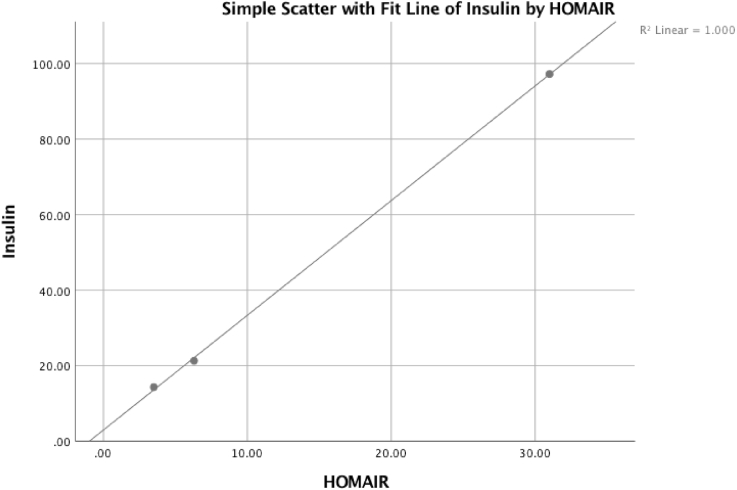
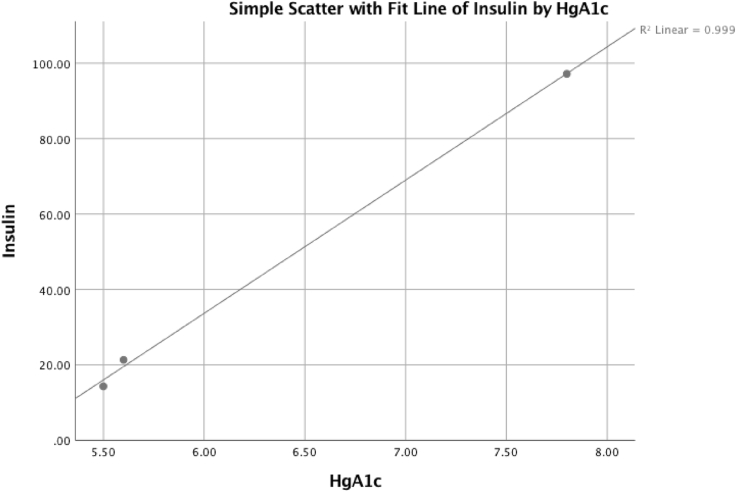
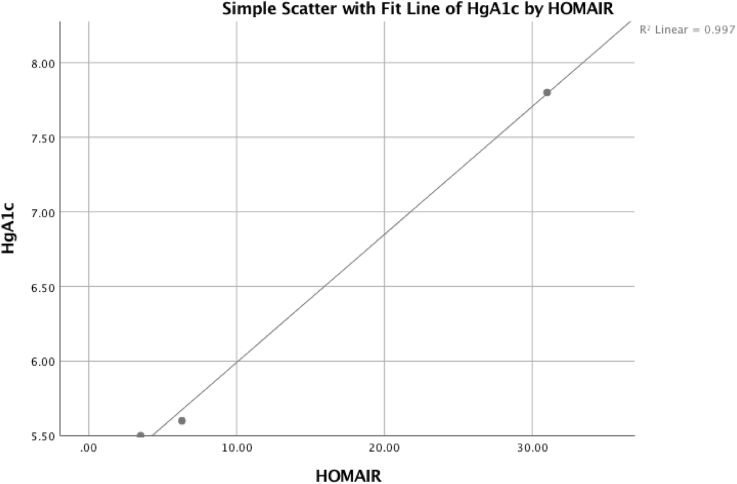
For decades, scientists have known that carriers of the apolipoprotein E ε4 ( ε4) allele (homozygous/heterozygous) are at respectively higher risk for developing Alzheimer's disease (AD). Although previous research reveals that the ε4 variant impacts the clearance capacity and degradation of β-amyloid from the brain, as compared with ε3 (wild type with normal risk) and ε2 (variant with accelerated clearance and reduced risk), little has been documented about ε4's dual role in cholesterol transport, both peripheral and cerebral, and the effects of sluggish ε4 cholesterol transport on cerebral metabolic rate. An understanding of the connection between brain metabolism and brain fat/cholesterol transport may unlock new prevention strategies for treating patients with a comorbidity of metabolic syndrome (MetS) with cognitive impairment. Recent findings suggest that the ε4 carrier impedes the shuttling of lipids from neurons and circumvents the storage of fat within the glia lipid droplets. This sluggish transport of lipids to triglyceride droplets in the glia cells can lead to dangerous reactive oxygen species and hydroxyl-free radicals as lipids are prematurely oxidized. This case study evaluates the effects of a 10-week clinically prescribed ketogenic diet (KD) with a 68-year-old male, heterozygous ε4 carrier, with a dual diagnosis of mild AD and type 2 diabetes (T2DM). The patient was administering both long- and short-acting injectable insulin to mediate his T2DM for 15+ years. Clinical goals of the intervention included increased hypothalamic and peripheral insulin sensitivity as measured via blood ketones with the Abbott Precision Xtra Blood Ketone Meter to confirm metabolic flexibility; controlled plasma glucose as measured via Abbott Precision Xtra Blood Glucose Meter and HgA1c via venous draw; normalization of lipid panel via venous draw and improved memory with restoration of cognitive functionality measured via the Montreal Cognitive Assessment. The Montreal Cognitive Assessment is considered to be a gold standard assessment in the diagnosis of early AD. Physiological biomarkers for T2DM/MetS and cognitive functionality were assessed before/during/after intervention. These measures included HOMA-IR, triglycerides/HDL ratio, HgA1c, fasting glucose, fasting insulin, complete fasting lipid panel and the PEAK mobile application for real-time measurement of cognitive improvement. The results were statistically significant. The patient's baseline Montreal Cognitive Assessment improved from 23/30 (mild AD) to 29/30 (normal ≥ 26). His T2DM was reversed. Pre-intervention HgA1c was 7.8% (T2DM); post intervention HgA1c measured 5.5% (normal). Likewise, the patient achieved statistically significant improvements in the other aforementioned biomarkers of MetS. The results of this case study suggest that a clinically prescribed ketogenic diet has strong potential to restore systemic insulin sensitivity and metabolic flexibility in diabetic, ε4 heterozygous carriers. Mechanisms of action point to normalization of homeostatic negative feedback loops resetting/restoring lipid synthesis/utilization and glucose (insulin)/fatty acid (glucagon) utilization/production in both the body and brain, resulting in increased cerebral metabolism, improved cognition, and reversal of T2DM via renewed cellular insulin sensitivity.
https://cdn.ncbi.nlm.nih.gov/pmc/blobs/1071/6423699/3eb584aef60c/gr3.jpg
https://cdn.ncbi.nlm.nih.gov/pmc/blobs/1071/6423699/f288586435dc/gr1.jpg
https://cdn.ncbi.nlm.nih.gov/pmc/blobs/1071/6423699/d5f914848eb1/gr2.jpg
https://cdn.ncbi.nlm.nih.gov/pmc/blobs/1071/6423699/3eb584aef60c/gr3.jpg
https://cdn.ncbi.nlm.nih.gov/pmc/blobs/1071/6423699/f288586435dc/gr1.jpg
https://cdn.ncbi.nlm.nih.gov/pmc/blobs/1071/6423699/d5f914848eb1/gr2.jpg
https://cdn.ncbi.nlm.nih.gov/pmc/blobs/1071/6423699/3eb584aef60c/gr3.jpg
摘要

几十年来,科学家们已经知道,载脂蛋白E ε4(ε4)等位基因的携带者(纯合子/杂合子)患阿尔茨海默病(AD)的风险分别更高。尽管先前的研究表明,与ε3(正常风险的野生型)和ε2(清除加速且风险降低的变体)相比,ε4变体影响大脑中β-淀粉样蛋白的清除能力和降解,但关于ε4在周围和大脑胆固醇转运中的双重作用以及ε4胆固醇转运缓慢对脑代谢率的影响,几乎没有文献记载。了解脑代谢与脑脂肪/胆固醇转运之间的联系,可能会为治疗患有代谢综合征(MetS)合并认知障碍的患者开启新的预防策略。最近的研究结果表明,ε4携带者会阻碍脂质从神经元的穿梭,并避免脂肪在神经胶质脂滴中的储存。脂质向神经胶质细胞中甘油三酯滴的这种缓慢转运,会导致脂质过早氧化,从而产生危险的活性氧和羟基自由基。本案例研究评估了为期10周的临床规定生酮饮食(KD)对一名68岁男性、ε4杂合子携带者的影响,该患者同时患有轻度AD和2型糖尿病(T2DM)。该患者使用长效和短效注射胰岛素来控制其T2DM已有15年以上。干预的临床目标包括通过雅培Precision Xtra血酮仪测量血酮来提高下丘脑和外周胰岛素敏感性,以确认代谢灵活性;通过雅培Precision Xtra血糖仪测量控制血浆葡萄糖,并通过静脉采血测量糖化血红蛋白(HgA1c);通过静脉采血使血脂谱正常化,并通过蒙特利尔认知评估测量恢复认知功能来改善记忆。蒙特利尔认知评估被认为是早期AD诊断的金标准评估。在干预前/期间/后评估T2DM/MetS和认知功能的生理生物标志物。这些指标包括胰岛素抵抗稳态模型评估(HOMA-IR)、甘油三酯/高密度脂蛋白比值、HgA1c、空腹血糖、空腹胰岛素、完整的空腹血脂谱以及用于实时测量认知改善的PEAK移动应用程序。结果具有统计学意义。患者的基线蒙特利尔认知评估从23/30(轻度AD)提高到29/30(正常≥26)。他的T2DM得到了逆转。干预前HgA1c为7.8%(T2DM);干预后HgA1c测量值为5.5%(正常)。同样,患者在其他上述MetS生物标志物方面也取得了具有统计学意义的改善。本案例研究的结果表明,临床规定的生酮饮食在恢复糖尿病ε4杂合子携带者的全身胰岛素敏感性和代谢灵活性方面具有强大潜力。作用机制指向稳态负反馈回路的正常化,从而重置/恢复身体和大脑中的脂质合成/利用以及葡萄糖(胰岛素)/脂肪酸(胰高血糖素)利用/产生,导致脑代谢增加、认知改善以及通过恢复细胞胰岛素敏感性使T2DM得到逆转。

相似文献

1
ε4, the door to insulin-resistant dyslipidemia and brain fog? A case study.ε4,通往胰岛素抵抗性血脂异常和脑雾的大门?一项病例研究。
Alzheimers Dement (Amst). 2019 Mar 14;11:264-269. doi: 10.1016/j.dadm.2019.01.009. eCollection 2019 Dec.
2
Nutritional Ketosis and photobiomodulation remediate mitochondria warding off Alzheimer's disease in a diabetic, ApoE4+ patient with mild cognitive impairment: A case report.营养性酮症和光生物调节改善线粒体功能,预防一名患有轻度认知障碍的糖尿病ApoE4+患者患阿尔茨海默病:病例报告。
Photodiagnosis Photodyn Ther. 2020 Jun;30:101777. doi: 10.1016/j.pdpdt.2020.101777. Epub 2020 Apr 16.
3
Ketogenic diets potentially reverse Type II diabetes and ameliorate clinical depression: A case study.生酮饮食可能逆转2型糖尿病并改善临床抑郁症:一项病例研究。
Diabetes Metab Syndr. 2019 Mar-Apr;13(2):1475-1479. doi: 10.1016/j.dsx.2019.01.055. Epub 2019 Feb 6.
4
Ketogenic diet, high intensity interval training (HIIT) and memory training in the treatment of mild cognitive impairment: A case study.生酮饮食、高强度间歇训练(HIIT)与记忆训练治疗轻度认知障碍:一项病例研究。
Diabetes Metab Syndr. 2018 Sep;12(5):819-822. doi: 10.1016/j.dsx.2018.04.031. Epub 2018 Apr 11.
5
Ketogenic diet rescues cognition in ApoE4+ patient with mild Alzheimer's disease: A case study.生酮饮食改善轻度阿尔茨海默病ApoE4 +患者的认知功能:一项病例研究。
Diabetes Metab Syndr. 2019 Mar-Apr;13(2):1187-1191. doi: 10.1016/j.dsx.2019.01.035. Epub 2019 Jan 24.
6
Biomarkers for Early Diagnostic of Mild Cognitive Impairment in Type-2 Diabetes Patients: A Multicentre, Retrospective, Nested Case-Control Study.2 型糖尿病患者轻度认知障碍早期诊断的生物标志物:一项多中心、回顾性、巢式病例对照研究。
EBioMedicine. 2016 Feb 6;5:105-13. doi: 10.1016/j.ebiom.2016.02.014. eCollection 2016 Mar.
7
The presence of apolipoprotein epsilon4 and epsilon2 alleles augments the risk of coronary artery disease in type 2 diabetic patients.载脂蛋白ε4和ε2等位基因的存在会增加2型糖尿病患者患冠状动脉疾病的风险。
Clin Biochem. 2007 Oct;40(15):1150-6. doi: 10.1016/j.clinbiochem.2007.06.010. Epub 2007 Jul 6.
8
ε3/4 genotype of the apolipoprotein E is associated with higher risk of Alzheimer's disease in patients with type 2 diabetes mellitus.载脂蛋白 E 的 ε3/4 基因型与 2 型糖尿病患者阿尔茨海默病的风险增加相关。
Gene. 2019 Jun 30;703:65-70. doi: 10.1016/j.gene.2019.03.024. Epub 2019 Mar 16.
9
Metabolic syndrome marks early risk for cognitive decline with APOE4 gene variation: A case study.代谢综合征与APOE4基因变异标志着认知衰退的早期风险:一项案例研究。
Diabetes Metab Syndr. 2018 Sep;12(5):823-827. doi: 10.1016/j.dsx.2018.04.030. Epub 2018 Apr 20.
10
APOE epsilon 4 lowers age at onset and is a high risk factor for Alzheimer's disease; a case control study from central Norway.APOE ε4降低发病年龄,是阿尔茨海默病的高风险因素;来自挪威中部的一项病例对照研究。
BMC Neurol. 2008 Apr 16;8:9. doi: 10.1186/1471-2377-8-9.

引用本文的文献

1
AdipoRon's Impact on Alzheimer's Disease-A Systematic Review and Meta-Analysis.脂联素受体激动剂对阿尔茨海默病的影响——一项系统评价与荟萃分析
Int J Mol Sci. 2025 Jan 8;26(2):484. doi: 10.3390/ijms26020484.
2
ApoE in Alzheimer's disease: pathophysiology and therapeutic strategies.载脂蛋白 E 在阿尔茨海默病中的作用:发病机制与治疗策略。
Mol Neurodegener. 2022 Nov 8;17(1):72. doi: 10.1186/s13024-022-00574-4.
3
The Therapeutic Role of Ketogenic Diet in Neurological Disorders.生酮饮食在神经障碍中的治疗作用。

本文引用的文献

1
Insulin Resistance in Alzheimer's Disease.阿尔茨海默病中的胰岛素抵抗
Front Neurosci. 2018 Nov 13;12:830. doi: 10.3389/fnins.2018.00830. eCollection 2018.
2
Intellectual engagement and cognitive ability in later life (the "use it or lose it" conjecture): longitudinal, prospective study.晚年的智力投入和认知能力(“用进废退”假说):纵向前瞻性研究。
BMJ. 2018 Dec 10;363:k4925. doi: 10.1136/bmj.k4925.
3
Late-onset Alzheimer's disease is associated with inherent changes in bioenergetics profiles.迟发性阿尔茨海默病与生物能量谱的固有变化有关。
Nutrients. 2022 May 6;14(9):1952. doi: 10.3390/nu14091952.
4
A multi-hit hypothesis for an APOE4-dependent pathophysiological state.载脂蛋白 E4 依赖性病理生理状态的多打击假说。
Eur J Neurosci. 2022 Nov;56(9):5476-5515. doi: 10.1111/ejn.15685. Epub 2022 Jun 6.
5
The Implication of Physiological Ketosis on The Cognitive Brain: A Narrative Review.生理性酮症对认知大脑的影响:叙事性综述。
Nutrients. 2022 Jan 25;14(3):513. doi: 10.3390/nu14030513.
6
Recent Neurotherapeutic Strategies to Promote Healthy Brain Aging: Are we there yet?促进大脑健康衰老的最新神经治疗策略:我们做到了吗?
Aging Dis. 2022 Feb 1;13(1):175-214. doi: 10.14336/AD.2021.0705. eCollection 2022 Feb.
7
A Scoping Review of Dietary Factors Conferring Risk or Protection for Cognitive Decline in APOE ε4 Carriers.载脂蛋白 E ε4 携带者认知衰退风险或保护的膳食因素的范围综述。
J Nutr Health Aging. 2021;25(10):1167-1178. doi: 10.1007/s12603-021-1705-4.
8
To Keto or Not to Keto? A Systematic Review of Randomized Controlled Trials Assessing the Effects of Ketogenic Therapy on Alzheimer Disease.是否采用生酮饮食?一项系统评价随机对照试验,评估酮基疗法对阿尔茨海默病的影响。
Adv Nutr. 2020 Nov 16;11(6):1583-1602. doi: 10.1093/advances/nmaa073.
9
Type 3 Diabetes and Its Role Implications in Alzheimer's Disease.3 型糖尿病及其在阿尔茨海默病中的作用。
Int J Mol Sci. 2020 Apr 30;21(9):3165. doi: 10.3390/ijms21093165.
10
ApoE and cerebral insulin: Trafficking, receptors, and resistance.载脂蛋白 E 和脑胰岛素:转运、受体和抵抗。
Neurobiol Dis. 2020 Apr;137:104755. doi: 10.1016/j.nbd.2020.104755. Epub 2020 Jan 21.
Sci Rep. 2017 Oct 25;7(1):14038. doi: 10.1038/s41598-017-14420-x.
4
Apolipoprotein E4 Impairs Neuronal Insulin Signaling by Trapping Insulin Receptor in the Endosomes.载脂蛋白E4通过将胰岛素受体困在内体中损害神经元胰岛素信号传导。
Neuron. 2017 Sep 27;96(1):115-129.e5. doi: 10.1016/j.neuron.2017.09.003.
5
The starving brain: Overfed meets undernourished in the pathology of mild cognitive impairment (MCI) and Alzheimer's disease (AD).饥饿的大脑:轻度认知障碍(MCI)和阿尔茨海默病(AD)的病理中,过食与营养不足相遇。
Neurochem Int. 2017 Nov;110:57-68. doi: 10.1016/j.neuint.2017.09.004. Epub 2017 Sep 9.
6
Induced and controlled dietary ketosis as a regulator of obesity and metabolic syndrome pathologies.诱导性和控制性饮食性酮症作为肥胖和代谢综合征病理的调节因素。
Diabetes Metab Syndr. 2017 Nov;11 Suppl 1:S385-S390. doi: 10.1016/j.dsx.2017.03.022. Epub 2017 Mar 28.
7
ApoE4 expression accelerates hippocampus-dependent cognitive deficits by enhancing Aβ impairment of insulin signaling in an Alzheimer's disease mouse model.在阿尔茨海默病小鼠模型中,载脂蛋白E4(ApoE4)的表达通过增强β淀粉样蛋白(Aβ)对胰岛素信号的损害,加速了海马体依赖的认知缺陷。
Sci Rep. 2016 May 18;6:26119. doi: 10.1038/srep26119.
8
Can ketones compensate for deteriorating brain glucose uptake during aging? Implications for the risk and treatment of Alzheimer's disease.酮体能弥补衰老过程中大脑葡萄糖摄取能力的下降吗?对阿尔茨海默病风险和治疗的影响。
Ann N Y Acad Sci. 2016 Mar;1367(1):12-20. doi: 10.1111/nyas.12999. Epub 2016 Jan 14.
9
Effects of ketone bodies in Alzheimer's disease in relation to neural hypometabolism, β-amyloid toxicity, and astrocyte function.酮体在阿尔茨海默病中与神经代谢减退、β-淀粉样蛋白毒性及星形胶质细胞功能的关系
J Neurochem. 2015 Jul;134(1):7-20. doi: 10.1111/jnc.13107. Epub 2015 Apr 23.
10
Alzheimer's disease: the amyloid hypothesis and the Inverse Warburg effect.阿尔茨海默病:淀粉样蛋白假说与逆瓦尔堡效应
Front Physiol. 2015 Jan 14;5:522. doi: 10.3389/fphys.2014.00522. eCollection 2014.