De Matteis Valeria, Cascione Mariafrancesca, Toma Chiara Cristina, Pellegrino Paolo, Rizzello Loris, Rinaldi Rosaria
Dipartimento di Matematica e Fisica "Ennio De Giorgi", Università del Salento, Via Arnesano, 73100, Lecce, Italy.
Department of Chemistry, University College London, 20 Gordon Street, London, WC1H 0AJ, UK.
Nanoscale Res Lett. 2019 Mar 28;14(1):109. doi: 10.1186/s11671-019-2941-y.
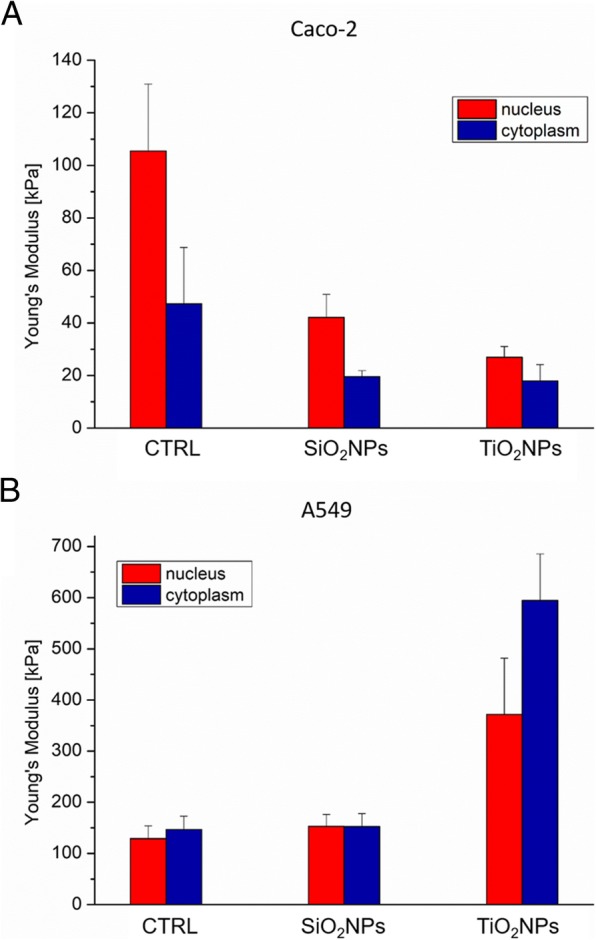
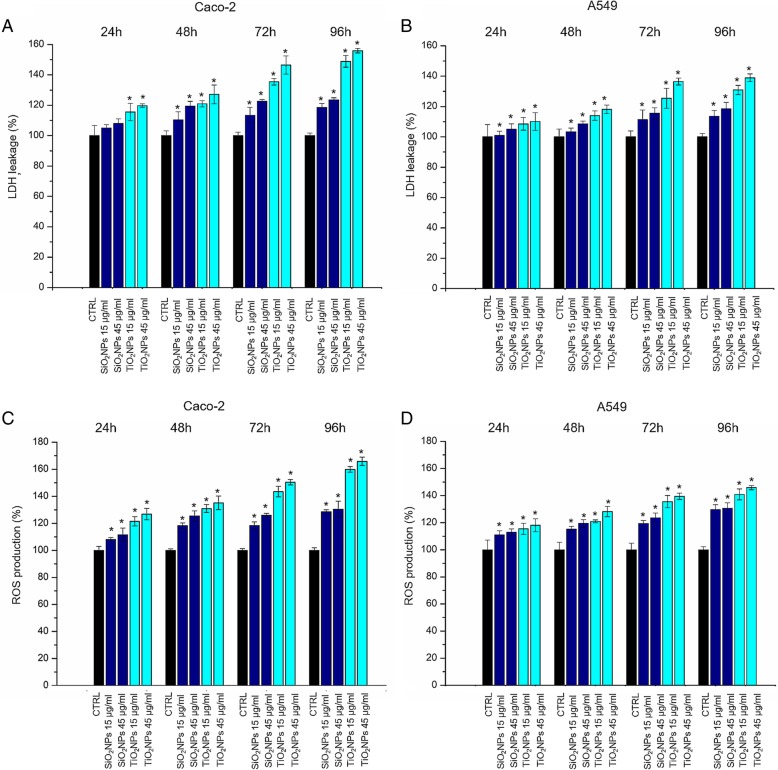
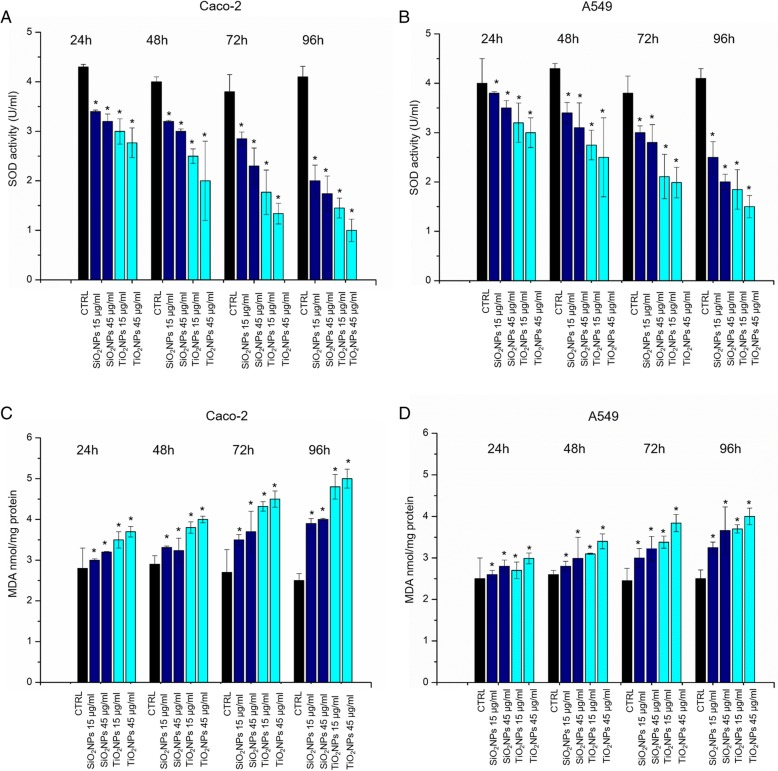
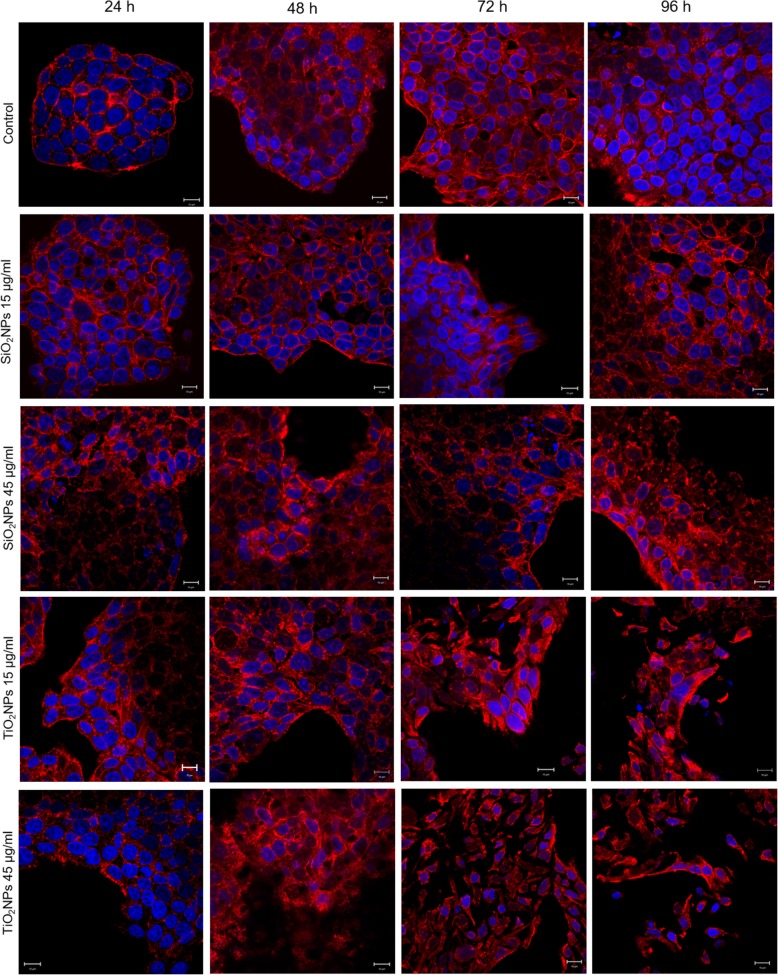
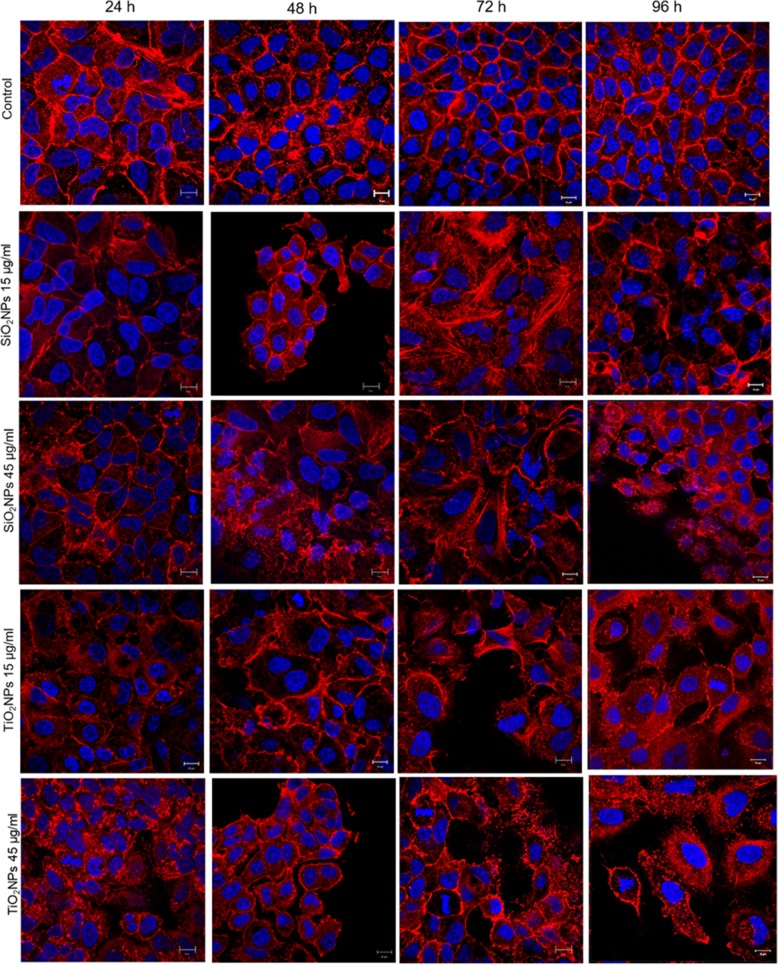
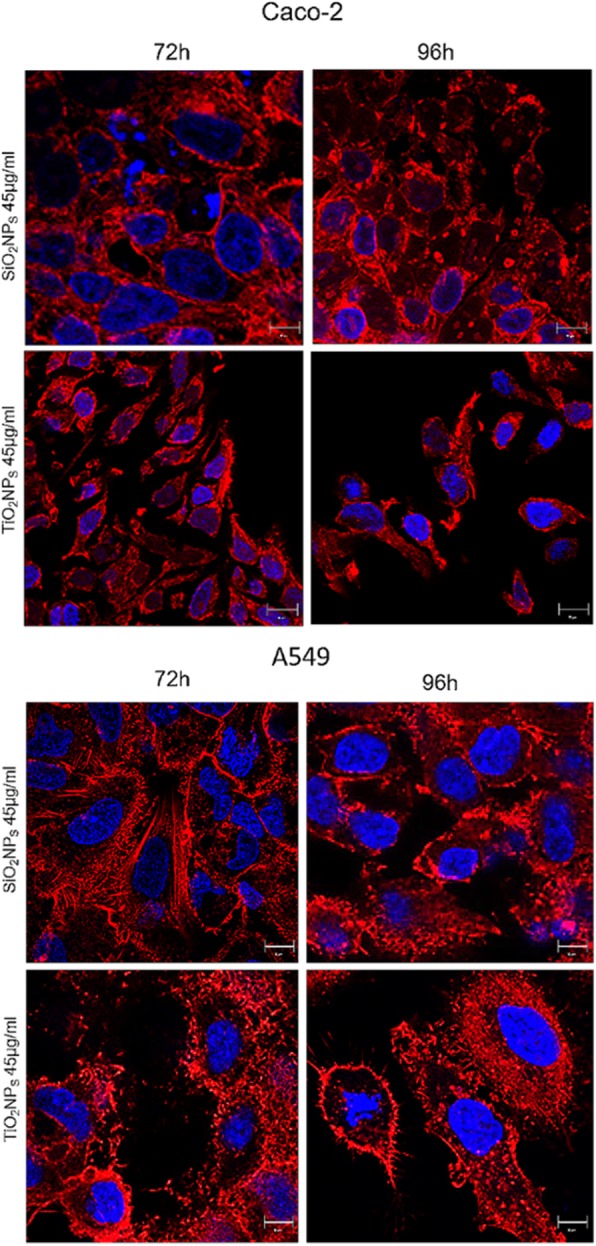
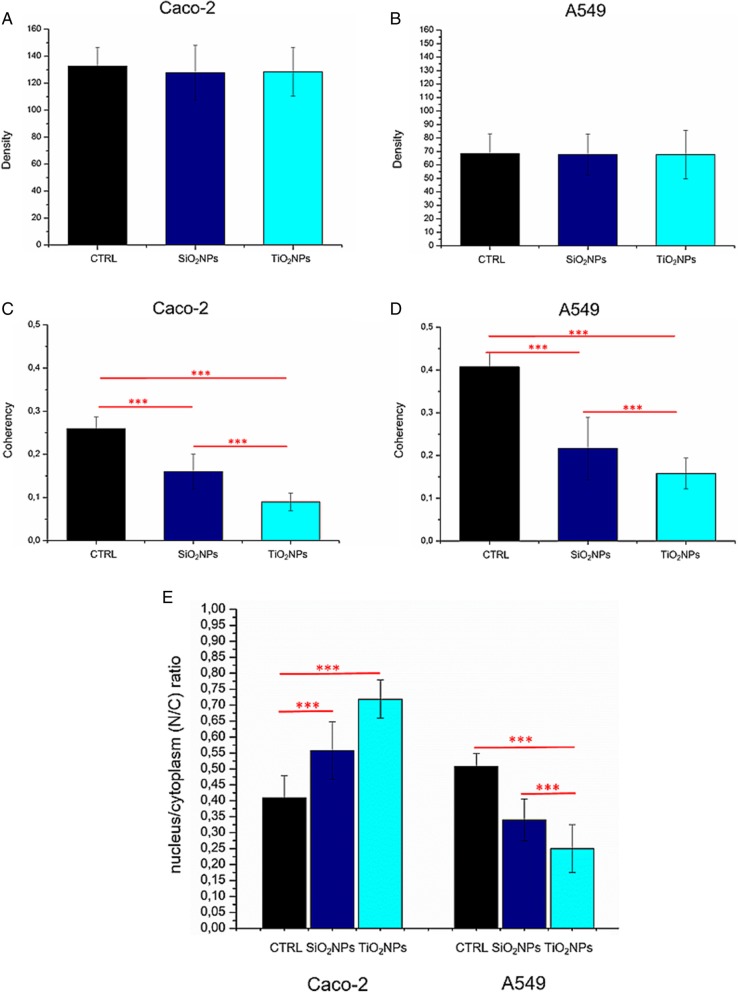
The nowadays growing use of nanoparticles (NPs) in commercial products does not match a comprehensive understanding of their potential harmfulness. More in vitro investigations are required to address how the physicochemical properties of NPs guide their engulfment within cells and their intracellular trafficking, fate, and toxicity. These nano-bio interactions have not been extensively addressed yet, especially from a mechanical viewpoint. Cell mechanic is a critical indicator of cell health because it regulates processes like cell migration, tissue integrity, and differentiation via cytoskeleton rearrangements. Here, we investigated in vitro the elasticity perturbation of Caco-2 and A549 cell lines, in terms of Young's modulus modification induced by SiONP and TiONP. TiONPs demonstrated stronger effects on cell elasticity compared to SiONPs, as they induced significant morphological and morphometric changes in actin network. TiONP increased the elasticity in Caco-2 cells, while opposite effects have been observed on A549 cells. These results demonstrate the existence of a correlation between the alteration of cell elasticity and NPs toxicity that depends, in turn, on the NPs physicochemical properties and the specific cell tested.
如今纳米颗粒(NPs)在商业产品中的使用日益增加,但人们对其潜在危害的全面理解却与之不匹配。需要进行更多的体外研究,以探讨纳米颗粒的物理化学性质如何引导其被细胞吞噬以及在细胞内的运输、命运和毒性。这些纳米-生物相互作用尚未得到广泛研究,尤其是从力学角度。细胞力学是细胞健康的关键指标,因为它通过细胞骨架重排来调节细胞迁移、组织完整性和分化等过程。在此,我们在体外研究了SiONP和TiONP诱导的杨氏模量变化对Caco-2和A549细胞系弹性的扰动。与SiONP相比,TiONP对细胞弹性的影响更强,因为它们在肌动蛋白网络中引起了显著的形态和形态计量学变化。TiONP增加了Caco-2细胞的弹性,而在A549细胞上则观察到相反的效果。这些结果表明,细胞弹性改变与纳米颗粒毒性之间存在相关性,而这又取决于纳米颗粒的物理化学性质和所测试的特定细胞。