Coyne Lucy, Arief Riana, Benigno Carolyn, Giang Vo Ngan, Huong Luu Quynh, Jeamsripong Saharuetai, Kalpravidh Wantanee, McGrane James, Padungtod Pawin, Patrick Ian, Schoonman Luuk, Setyawan Erry, Harja Sukarno Ady, Srisamran Jutanat, Ngoc Pham Thi, Rushton Jonathan
Epidemiology and Population Health, University of Liverpool, Neston CH64 7TE, UK.
Center for Indonesian Veterinary Analytical Studies, Bogor 16310, Indonesia.
Antibiotics (Basel). 2019 Mar 25;8(1):33. doi: 10.3390/antibiotics8010033.
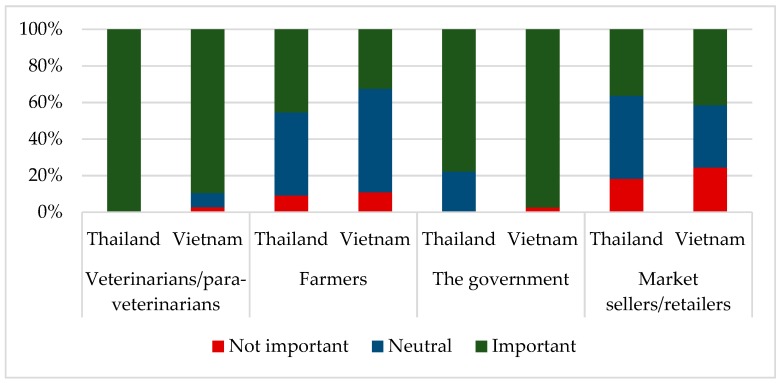
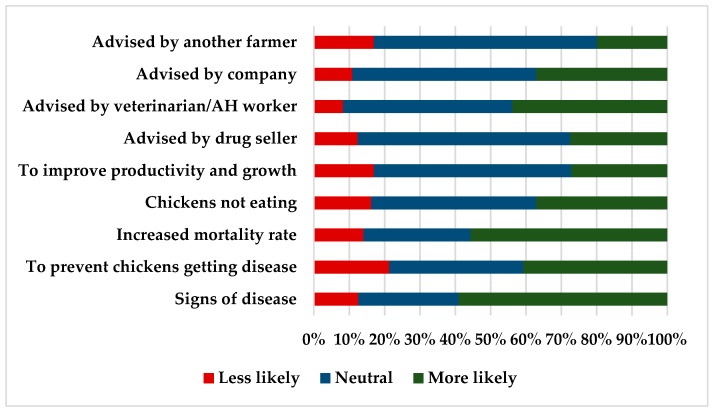
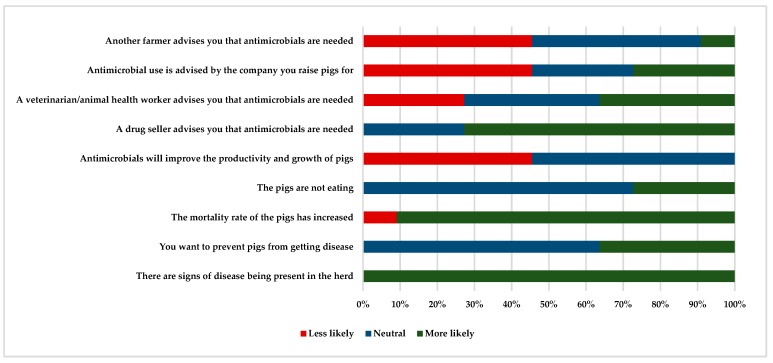
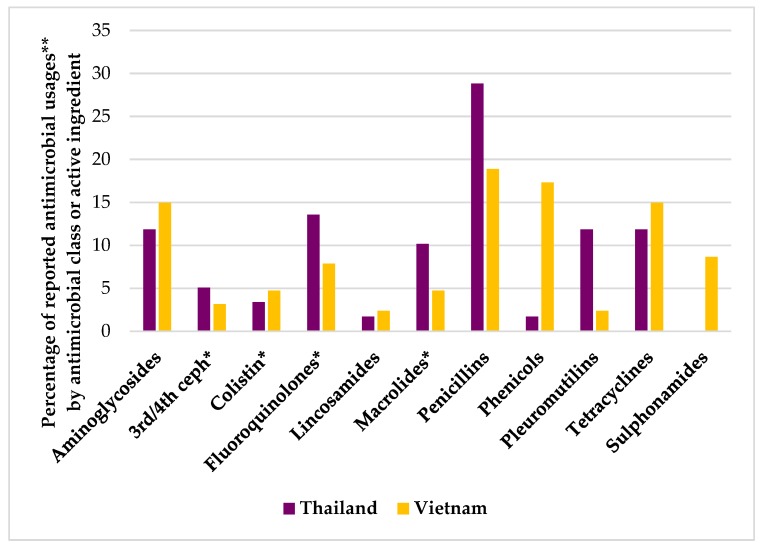
A framework was developed to characterize the antimicrobial use/antimicrobial resistance complex in livestock systems in Indonesia, Vietnam, and Thailand. Farm profitability, disease prevention, and mortality rate reduction were identified as drivers toward antimicrobial use in livestock systems. It revealed that antimicrobial use was high in all sectors studied, and that routine preventative use was of particular importance to broiler production systems. Misleading feed labeling was identified as a hurdle to the collection of accurate antimicrobial use data, with farmers being unaware of the antimicrobials contained in some commercial feed. Economic analysis found that the cost of antimicrobials was low relative to other farm inputs, and that farm profitability was precariously balanced. High disease and poor prices were identified as potential drivers toward economic loss. The research indicates that antimicrobial use in small-scale poultry production systems improves feed conversion ratios and overall productivity. However, data were limited to quantify adequately these potential gains and their impacts on the food supply. During the study, all countries embraced and implemented policies on better management of antimicrobial use in livestock and surveillance of antimicrobial resistance. Future policies need to consider farm-level economics and livestock food supply issues when developing further antimicrobial use interventions in the region.
已制定了一个框架,用于描述印度尼西亚、越南和泰国畜牧系统中的抗菌药物使用/抗菌药物耐药性复合体。农场盈利能力、疾病预防和死亡率降低被确定为畜牧系统中抗菌药物使用的驱动因素。研究表明,在所研究的所有部门中,抗菌药物的使用量都很高,并且常规预防性使用对肉鸡生产系统尤为重要。误导性的饲料标签被认为是收集准确抗菌药物使用数据的障碍,因为农民并不知晓一些商业饲料中所含的抗菌药物。经济分析发现,相对于其他农场投入,抗菌药物的成本较低,而且农场盈利能力处于不稳定的平衡状态。高发病率和低价被确定为经济损失的潜在驱动因素。研究表明,小规模家禽生产系统中使用抗菌药物可提高饲料转化率和整体生产力。然而,数据有限,无法充分量化这些潜在收益及其对食品供应的影响。在研究期间,所有国家都接受并实施了关于更好地管理畜牧系统中抗菌药物使用和监测抗菌药物耐药性的政策。未来在该地区制定进一步的抗菌药物使用干预措施时,政策需要考虑农场层面的经济情况和畜牧食品供应问题。