Hubei Collaborative Innovation Center for Grain Industry/Hubei Key Laboratory of Waterlogging Disaster and Agricultural Use of Wetland/College of Agriculture, Yangtze University, Jingzhou 434000, China.
College of Agriculture, Northwest A&F University, Yangling 712100, China.
Int J Mol Sci. 2019 Apr 1;20(7):1615. doi: 10.3390/ijms20071615.
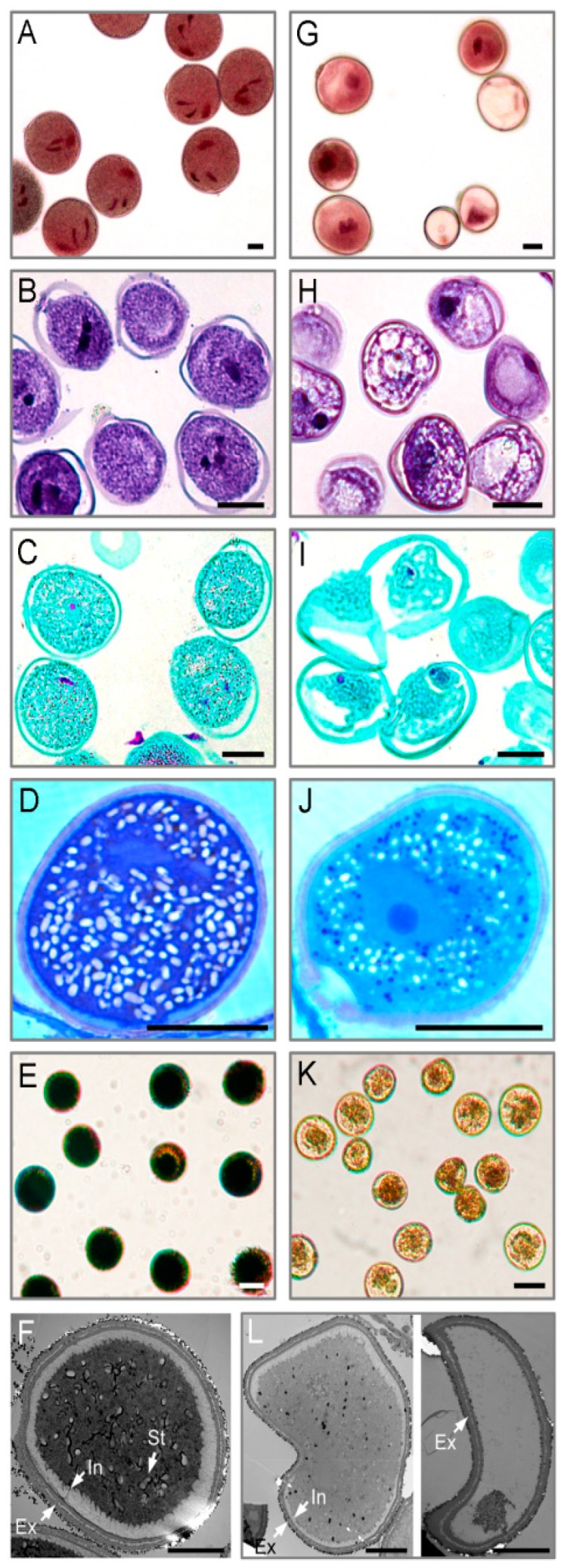
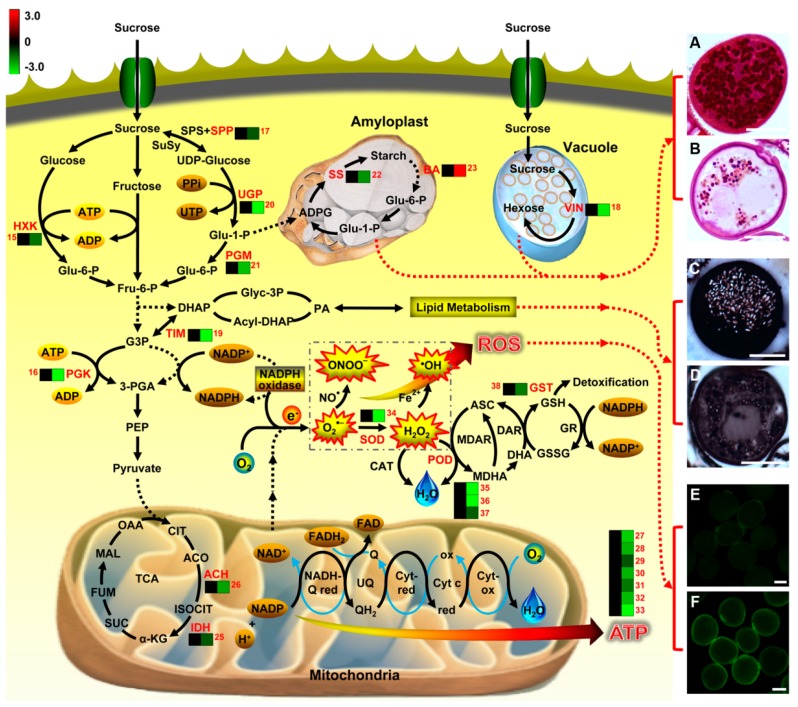
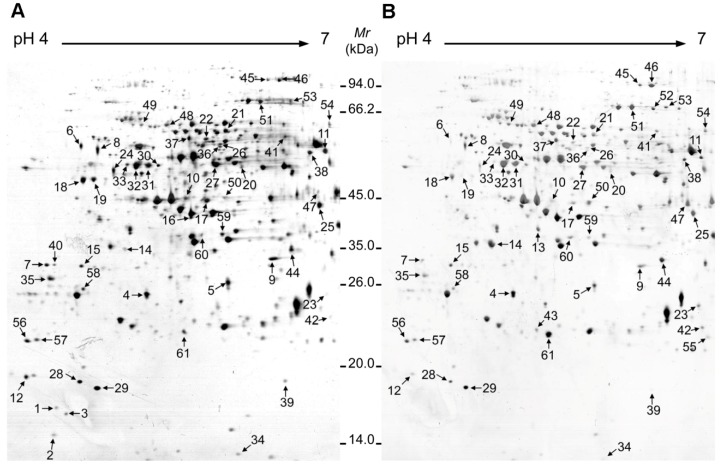
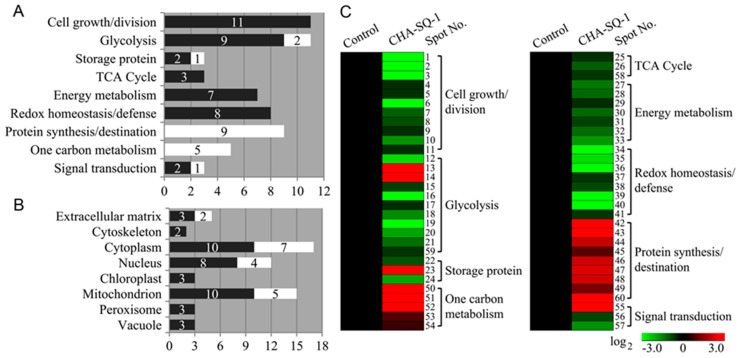
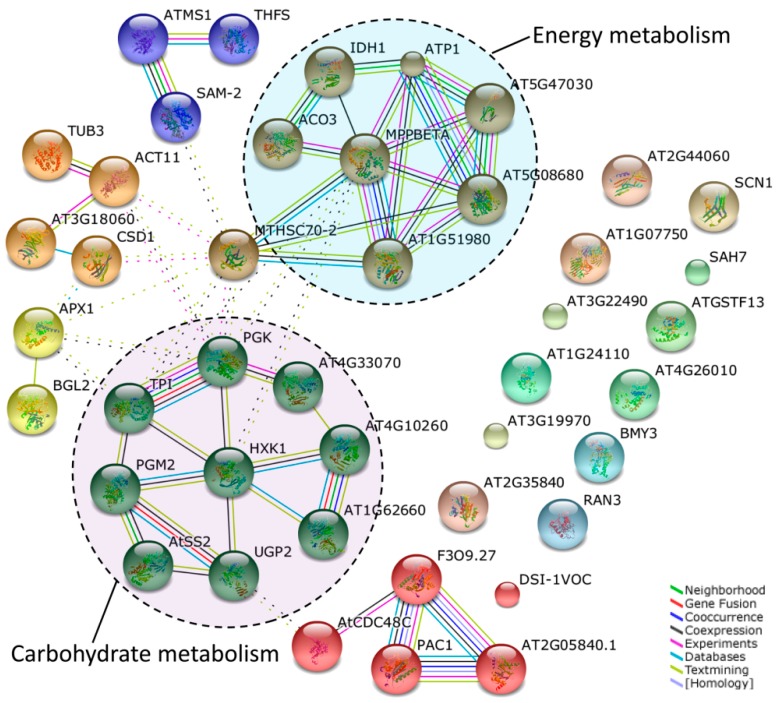
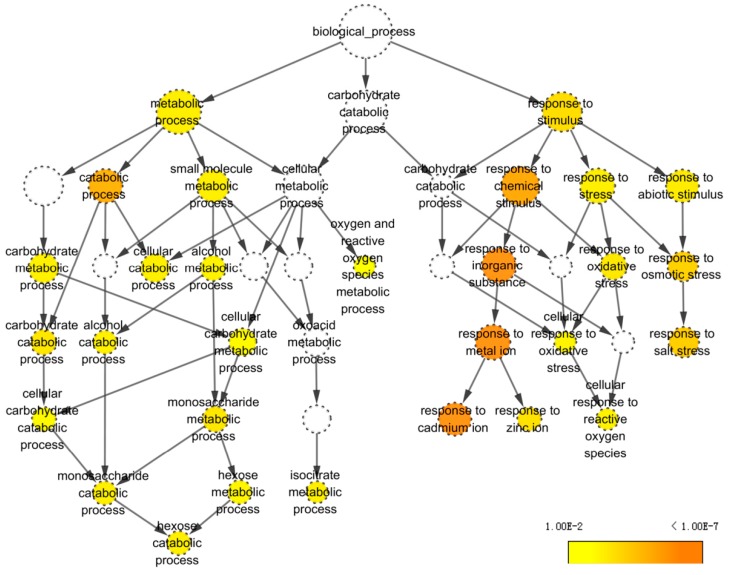
In plants, pollen grain transfers the haploid male genetic material from anther to stigma, both between flowers (cross-pollination) and within the same flower (self-pollination). In order to better understand chemical hybridizing agent (CHA) SQ-1-induced pollen abortion in wheat, comparative cytological and proteomic analyses were conducted. Results indicated that pollen grains underwent serious structural injury, including cell division abnormality, nutritional deficiencies, pollen wall defect and pollen grain malformations in the CHA-SQ-1-treated plants, resulting in pollen abortion and male sterility. A total of 61 proteins showed statistically significant differences in abundance, among which 18 proteins were highly abundant and 43 proteins were less abundant in CHA-SQ-1 treated plants. 60 proteins were successfully identified using MALDI-TOF/TOF mass spectrometry. These proteins were found to be involved in pollen maturation and showed a change in the abundance of a battery of proteins involved in multiple biological processes, including pollen development, carbohydrate and energy metabolism, stress response, protein metabolism. Interactions between these proteins were predicted using bioinformatics analysis. Gene ontology and pathway analyses revealed that the majority of the identified proteins were involved in carbohydrate and energy metabolism. Accordingly, a protein-protein interaction network involving in pollen abortion was proposed. These results provide information for the molecular events underlying CHA-SQ-1-induced pollen abortion and may serve as an additional guide for practical hybrid breeding.
在植物中,花粉粒将单倍体雄性遗传物质从花药转移到柱头,既可以在花之间(异花授粉),也可以在同一朵花内(自花授粉)。为了更好地理解化学杂交剂(CHA)SQ-1 诱导的小麦花粉败育,进行了比较细胞学和蛋白质组学分析。结果表明,花粉粒经历了严重的结构损伤,包括细胞分裂异常、营养缺乏、花粉壁缺陷和花粉粒畸形,导致花粉败育和雄性不育。在 CHA-SQ-1 处理的植株中,共有 61 种蛋白质的丰度表现出统计学上的显著差异,其中 18 种蛋白质高度丰富,43 种蛋白质含量较少。使用 MALDI-TOF/TOF 质谱成功鉴定了 60 种蛋白质。这些蛋白质被发现参与花粉成熟,并表现出一系列参与多种生物过程的蛋白质丰度的变化,包括花粉发育、碳水化合物和能量代谢、应激反应、蛋白质代谢。使用生物信息学分析预测了这些蛋白质之间的相互作用。基因本体论和途径分析表明,大多数鉴定出的蛋白质都参与碳水化合物和能量代谢。因此,提出了一个涉及花粉败育的蛋白质-蛋白质相互作用网络。这些结果为 CHA-SQ-1 诱导的花粉败育的分子事件提供了信息,并可为实际杂交育种提供额外的指导。