CAS Key Laboratory of Nano-Bio Interface, Suzhou Institute of Nano-Tech and Nano-Bionics, Chinese Academy of Sciences, Jiangsu 215123; University of Chinese Academy of Sciences, Beijing 100049, China.
CAS Key Laboratory of Nano-Bio Interface, Suzhou Institute of Nano-Tech and Nano-Bionics, Chinese Academy of Sciences, Jiangsu 215123, China.
BMB Rep. 2019 Jun;52(6):379-384. doi: 10.5483/BMBRep.2019.52.6.173.
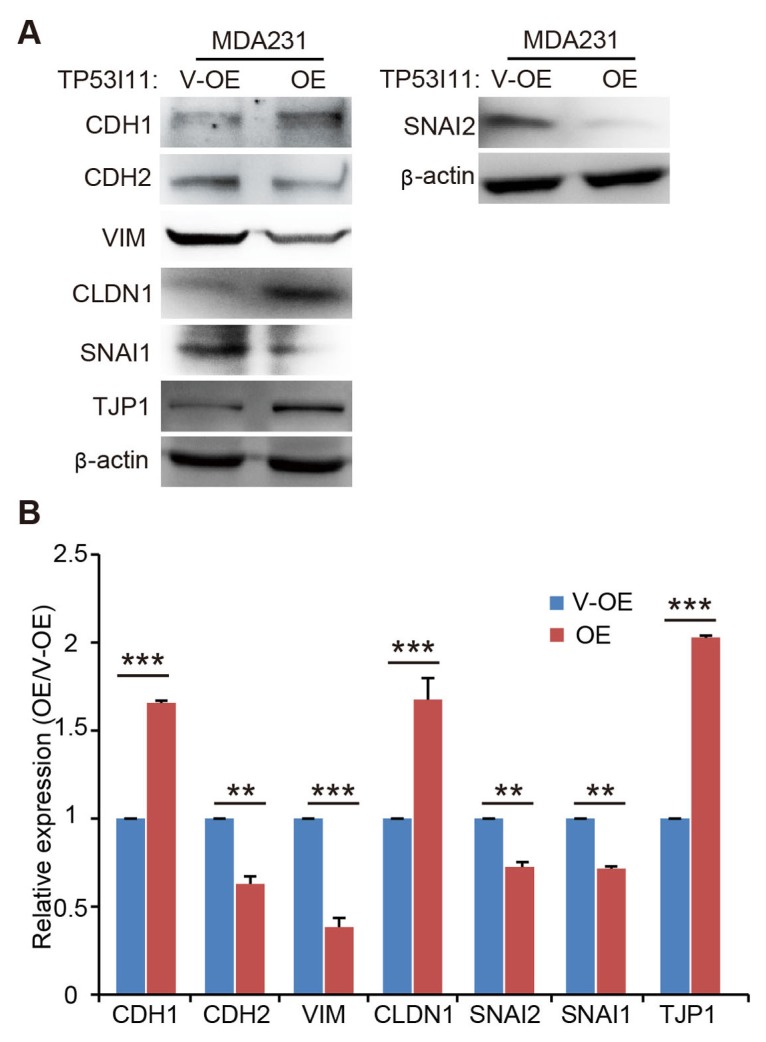
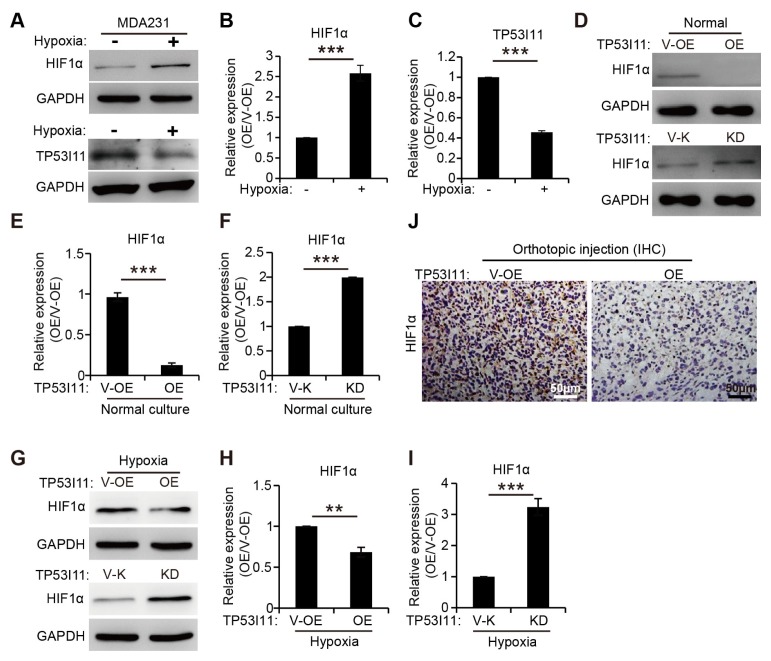
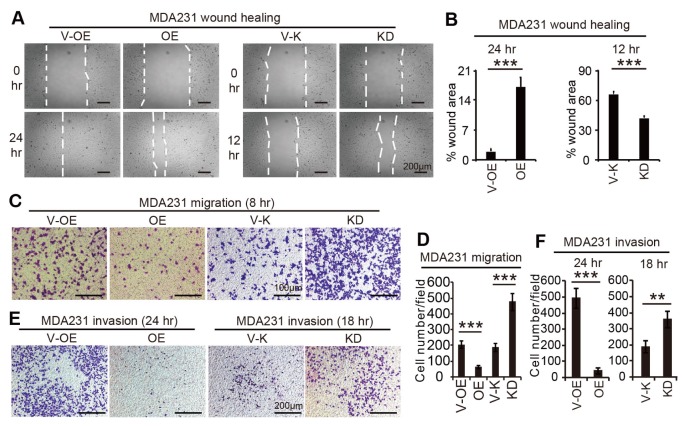
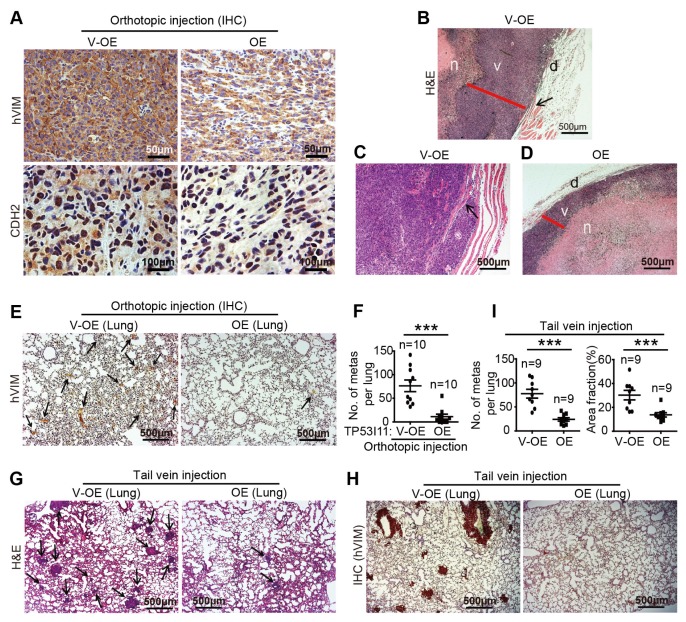
Epithelial-mesenchymal transition (EMT) is widely-considered to be a modulating factor of anoikis and cancer metastasis. We found that, in MDA-MB-231 cells, TP53I11 (tumor protein P53 inducible protein 11) suppressed EMT and migration in vitro, and inhibited metastasis in vivo. Our findings showed that hypoxic treatment upregulated the expression of HIF1α, but reduced TP53I11 protein levels and TP53I11 overexpression reduced HIF1α expression under normal culture and hypoxicconditions, and in xenografts of MDA-MB-231 cells. Considering HIF1α is a master regulator of the hypoxic response and that hypoxia is a crucial trigger of cancer metastasis, our study suggests that TP53I11 may suppress EMT and metastasis by reducing HIF1α protein levels in breast cancer cells. [BMB Reports 2019; 52(6): 379-384].
上皮-间充质转化(EMT)被广泛认为是调节细胞失巢凋亡和癌症转移的因素。我们发现,在 MDA-MB-231 细胞中,TP53I11(肿瘤蛋白 P53 诱导蛋白 11)抑制 EMT 和体外迁移,并抑制体内转移。我们的研究结果表明,缺氧处理上调 HIF1α 的表达,但降低 TP53I11 蛋白水平,而过表达 TP53I11 在常氧和缺氧条件下降低 HIF1α 的表达,在 MDA-MB-231 细胞的异种移植瘤中也是如此。考虑到 HIF1α 是缺氧反应的主要调节因子,缺氧是癌症转移的关键触发因素,我们的研究表明,TP53I11 可能通过降低乳腺癌细胞中 HIF1α 蛋白水平来抑制 EMT 和转移。[BMB 报告 2019;52(6):379-384]。