Division of Hematology and Oncology, Department of Internal Medicine, Rogel Cancer Center, University of Michigan, Ann Arbor, Michigan, 48109, USA.
Department of Pediatrics & Communicable Diseases, University of Michigan, Ann Arbor, Michigan, 48109, USA.
Sci Rep. 2019 Apr 3;9(1):5599. doi: 10.1038/s41598-019-41753-6.
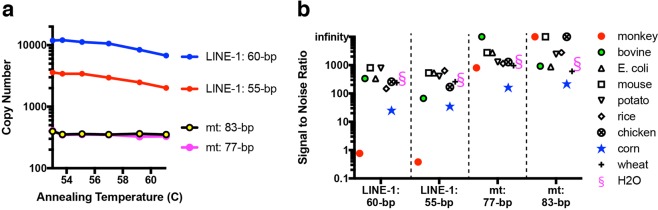
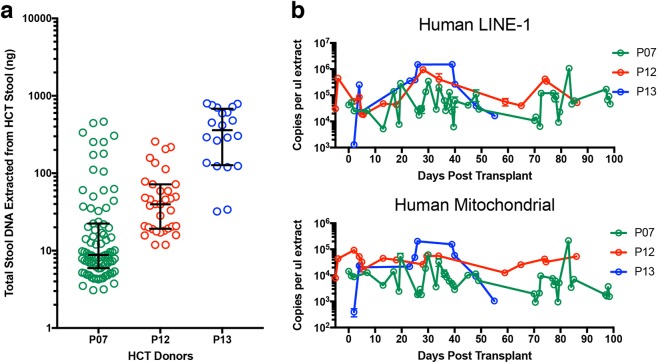
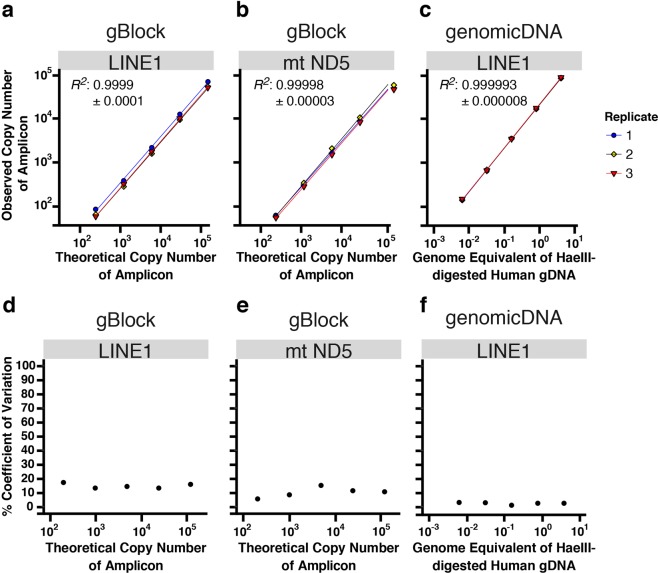
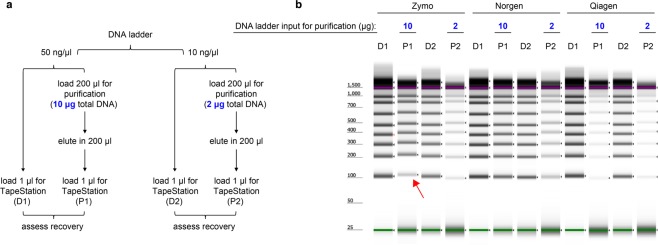
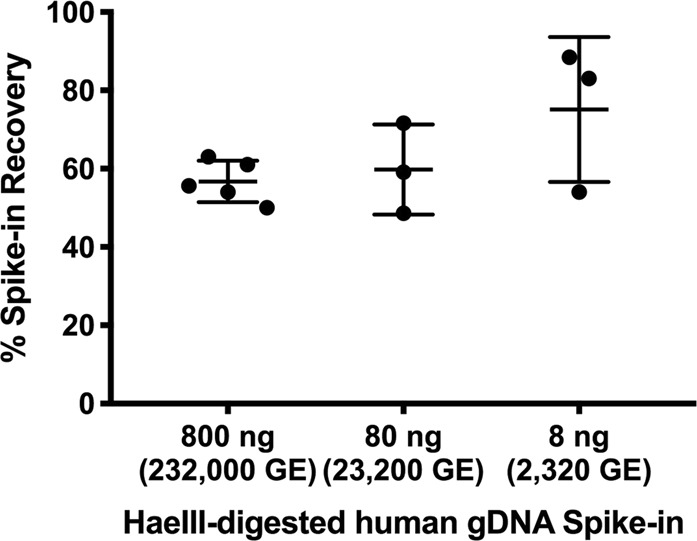
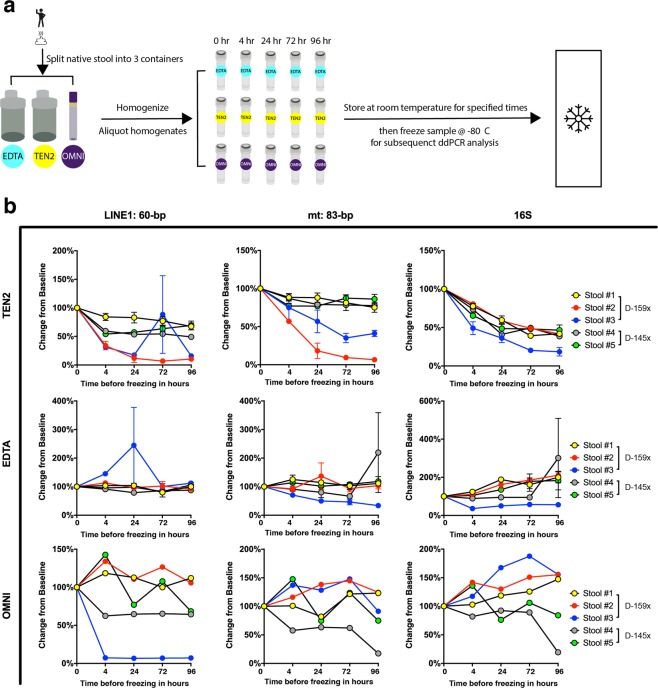
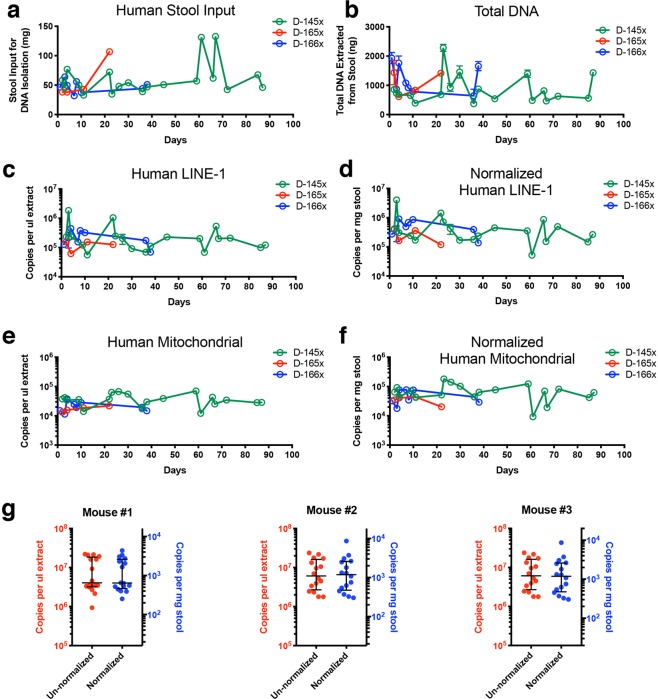
Stool contains DNA shed from cells of the gastrointestinal (GI) tract and has great potential as a bio-specimen for non-invasive, nucleic acid-based detection of GI diseases. Whereas methods for studying faecal microbiome DNA are plentiful, there is a lack of well-characterised procedures for stabilisation, isolation, and quantitative analysis of faecal host DNA. We report an optimised pipeline for faecal host DNA analysis from the point-of-collection to droplet digital PCR (ddPCR) absolute quantification of host-specific gene targets. We evaluated multiple methods for preservation and isolation of host DNA from stool to identify the highest performing methods. To quantify host DNA even if present in partially degraded form, we developed sensitive, human-specific short-amplicon ddPCR assays targeting repetitive nuclear genomic elements (LINE-1) and mitochondrial genes. We validated the ability of these optimised methods to perform absolute quantification of host DNA in 200 stool DNA extracts from samples that were serially collected from three healthy individuals and three hospitalised patients. These specimens allowed assessment of host DNA day-to-day variability in stool specimens with widely varying physical characteristics (i.e., Bristol scores). We further extended this approach to mouse stool analysis, to enable faecal host DNA studies in animal disease models as well.
粪便中含有来自胃肠道细胞的 DNA,作为一种非侵入性、基于核酸的胃肠道疾病检测的生物标本,具有很大的潜力。虽然用于研究粪便微生物组 DNA 的方法很多,但对于粪便宿主 DNA 的稳定、分离和定量分析,还缺乏很好的描述性程序。我们报告了一种从采集点到液滴数字 PCR(ddPCR)绝对定量宿主特异性基因靶标优化的粪便宿主 DNA 分析管道。我们评估了多种从粪便中保存和分离宿主 DNA 的方法,以确定性能最高的方法。为了即使在部分降解的形式下也能定量宿主 DNA,我们开发了针对重复核基因组元件(LINE-1)和线粒体基因的灵敏、人类特异性短扩增 ddPCR 检测。我们验证了这些优化方法在从三个健康个体和三个住院患者连续采集的 200 个粪便 DNA 提取物中对宿主 DNA 进行绝对定量的能力。这些标本允许评估具有广泛物理特征(即布里斯托评分)的粪便标本中宿主 DNA 的日常变化。我们进一步将这种方法扩展到小鼠粪便分析,以便在动物疾病模型中也能进行粪便宿主 DNA 研究。