Program in Molecular Medicine, University of Massachusetts Medical School , 373 Plantation Street, Worcester, MA 01605 , USA.
Open Biol. 2019 Jan 31;9(1):180181. doi: 10.1098/rsob.180181.
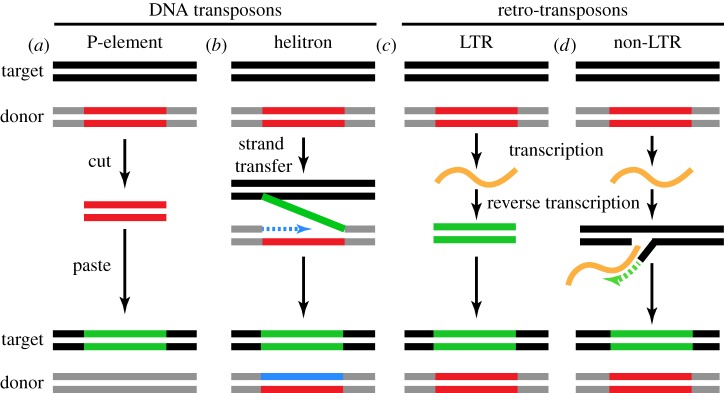
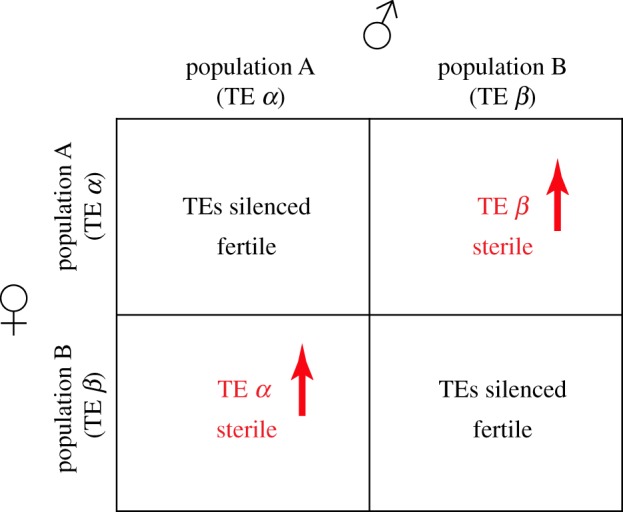
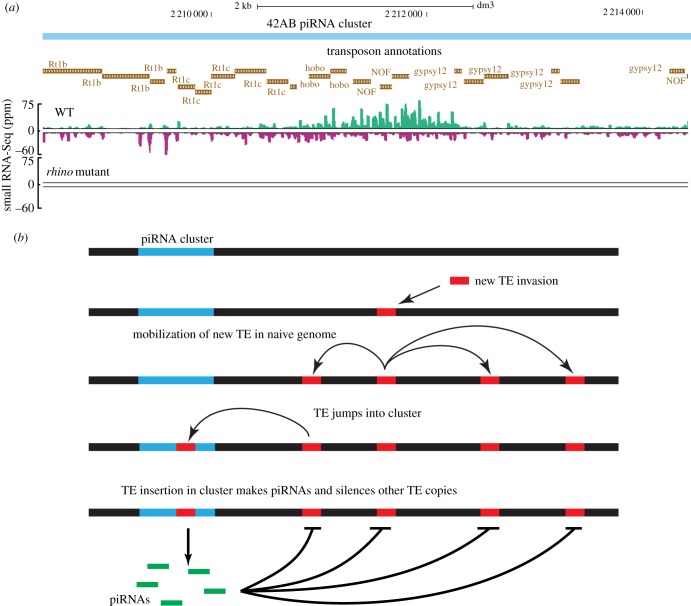
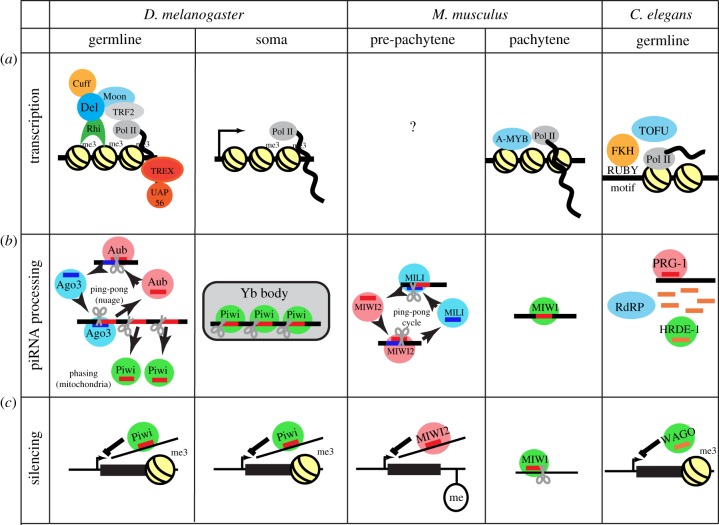
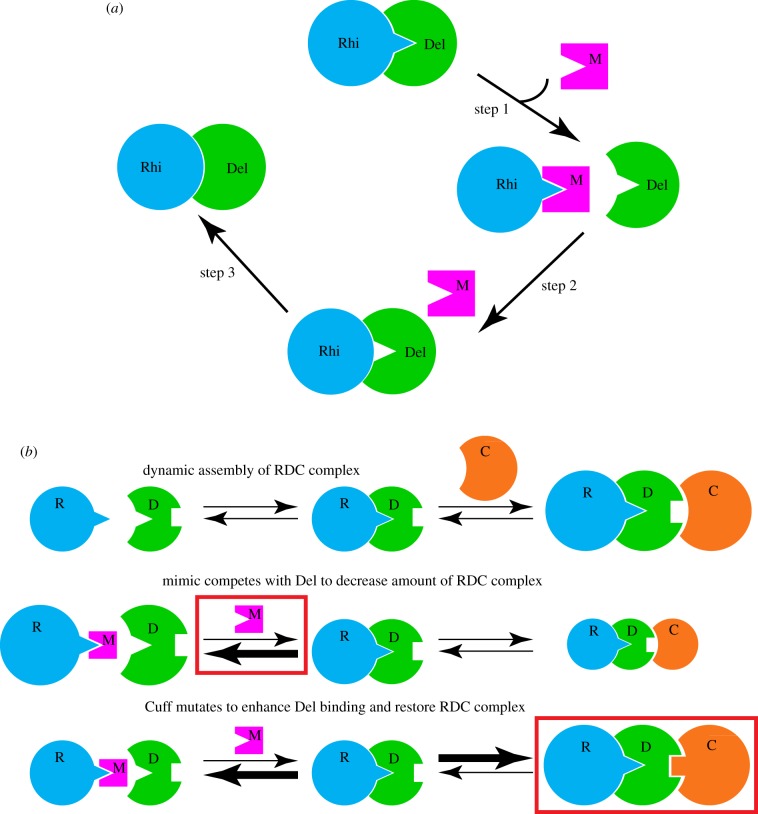
Transposons are major genome constituents that can mobilize and trigger mutations, DNA breaks and chromosome rearrangements. Transposon silencing is particularly important in the germline, which is dedicated to transmission of the inherited genome. Piwi-interacting RNAs (piRNAs) guide a host defence system that transcriptionally and post-transcriptionally silences transposons during germline development. While germline control of transposons by the piRNA pathway is conserved, many piRNA pathway genes are evolving rapidly under positive selection, and the piRNA biogenesis machinery shows remarkable phylogenetic diversity. Conservation of core function combined with rapid gene evolution is characteristic of a host-pathogen arms race, suggesting that transposons and the piRNA pathway are engaged in an evolutionary tug of war that is driving divergence of the biogenesis machinery. Recent studies suggest that this process may produce biochemical incompatibilities that contribute to reproductive isolation and species divergence.
转座子是基因组的主要组成部分,能够移动和引发突变、DNA 断裂和染色体重排。转座子沉默在生殖系中尤为重要,生殖系专门用于传递遗传基因组。Piwi 相互作用 RNA(piRNA)指导一种宿主防御系统,在生殖系发育过程中转录和转录后沉默转座子。虽然 piRNA 途径对转座子的生殖系控制是保守的,但许多 piRNA 途径基因在正选择下迅速进化,piRNA 生物发生机制表现出显著的系统发育多样性。核心功能的保守性与基因进化的快速性相结合是宿主-病原体军备竞赛的特征,表明转座子和 piRNA 途径参与了一场进化拉锯战,推动了生物发生机制的分化。最近的研究表明,这个过程可能产生生化不相容性,导致生殖隔离和物种分化。