Levanovich Peter E, Diaczok Alexander, Rossi Noreen F
Department of Physiology, Wayne State University School of Medicine and the John D. Dingell VA Medical Center, Detroit, Michigan, MI 48201, United States.
Department of Internal Medicine, Wayne State University School of Medicine and the John D. Dingell VA Medical Center, Detroit, Michigan, MI 48201, United States.
Curr Hypertens Rev. 2020;16(2):91-107. doi: 10.2174/1573402115666190409115330.
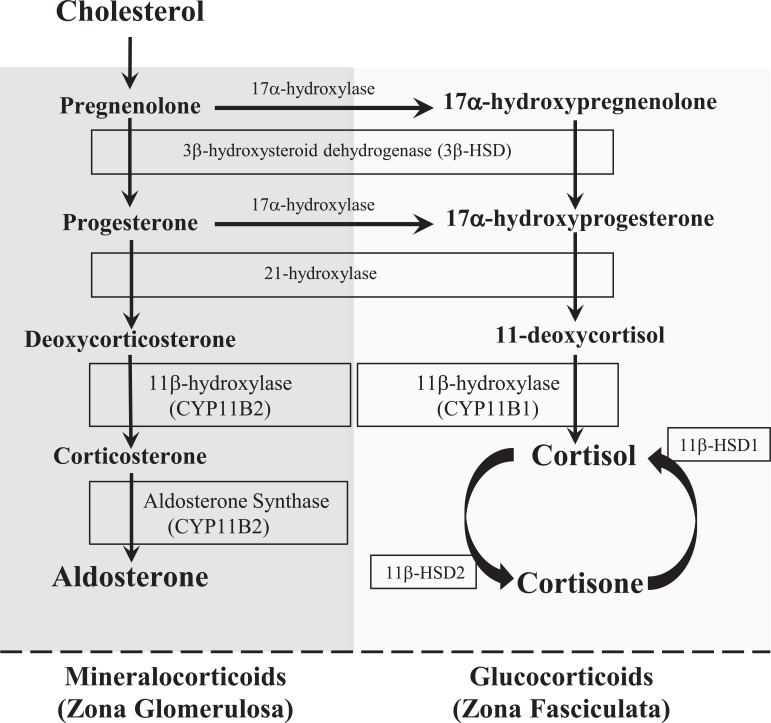
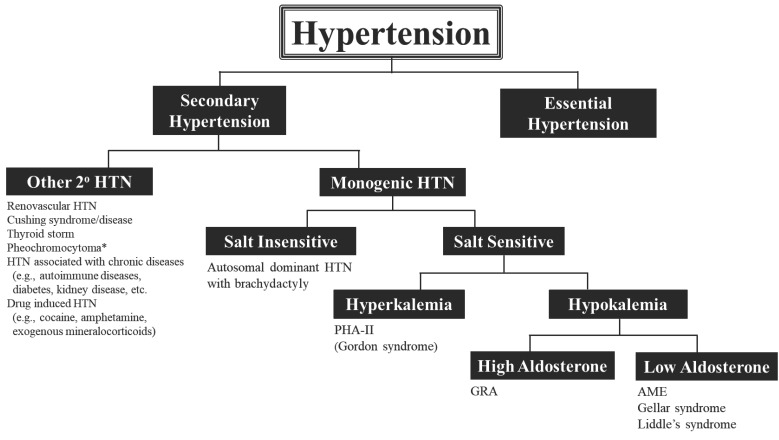
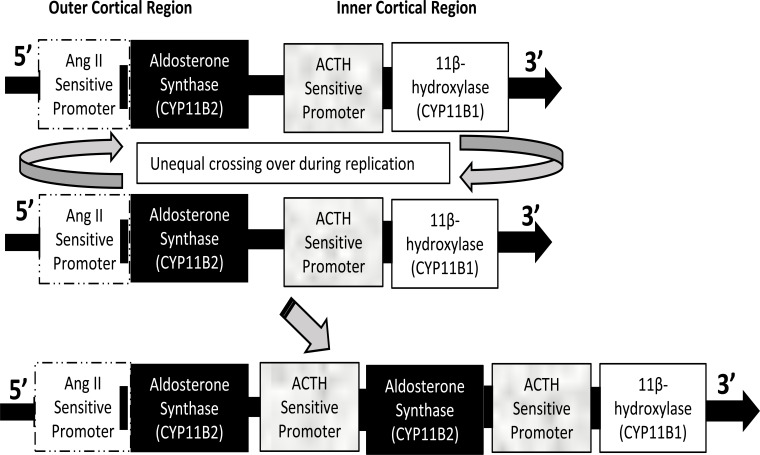
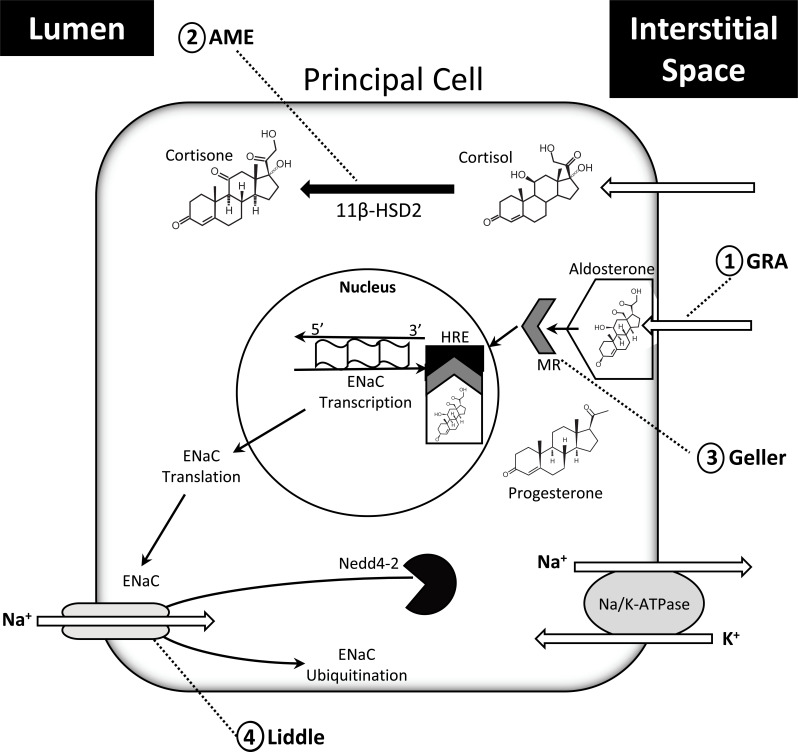
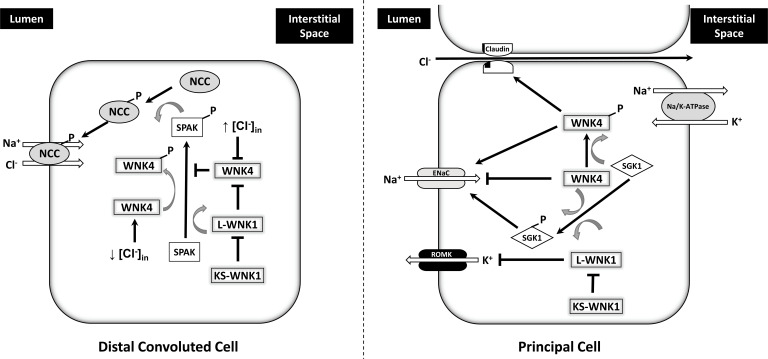
Advances in molecular research techniques have enabled a new frontier in discerning the mechanisms responsible for monogenic diseases. In this review, we discuss the current research on the molecular pathways governing blood pressure disorders with a Mendelian inheritance pattern, each presenting with a unique pathophysiology. Glucocorticoid Remediable Aldosteronism (GRA) and Apparent Mineralocorticoid Excess (AME) are caused by mutations in regulatory enzymes that induce increased production of mineralocorticoids or inhibit degradation of glucocorticoids, respectively. Geller syndrome is due to a point mutation in the hormone responsive element of the promotor for the mineralocorticoid receptor, rendering the receptor susceptible to activation by progesterone, leading to hypertension during pregnancy. Pseudohypoaldosteronism type II (PHA-II), also known as Gordon's syndrome or familial hyperkalemic hypertension, is a more variable disorder typically characterized by hypertension, high plasma potassium and metabolic acidosis. Mutations in a variety of intracellular enzymes that lead to enhanced sodium reabsorption have been identified. In contrast, hypertension in Liddle's syndrome, which results from mutations in the Epithelial sodium Channel (ENaC), is associated with low plasma potassium and metabolic alkalosis. In Liddle's syndrome, truncation of one the ENaC protein subunits removes a binding site necessary protein for ubiquitination and degradation, thereby promoting accumulation along the apical membrane and enhanced sodium reabsorption. The myriad effects due to mutation in phosphodiesterase 3A (PDE3A) lead to severe hypertension underlying sodium-independent autosomal dominant hypertension with brachydactyly. How mutations in PDE3A result in the phenotypic features of this disorder are discussed. Understanding the pathologies of these monogenic hypertensive disorders may provide insight into the causes of the more prevalent essential hypertension and new avenues to unravel the complexities of blood pressure regulation.
分子研究技术的进步开启了一个辨别单基因疾病发病机制的新领域。在本综述中,我们讨论了当前关于具有孟德尔遗传模式的血压紊乱分子途径的研究,每种血压紊乱都有其独特的病理生理学。糖皮质激素可治性醛固酮增多症(GRA)和表观盐皮质激素过多症(AME)分别由调节酶的突变引起,这些突变导致盐皮质激素生成增加或糖皮质激素降解受抑制。盖勒综合征是由于盐皮质激素受体启动子的激素反应元件发生点突变,使该受体易被孕酮激活,导致孕期高血压。II型假性醛固酮减少症(PHA-II),也称为戈登综合征或家族性高钾性高血压,是一种更具变异性的疾病,通常表现为高血压、高血钾和代谢性酸中毒。已鉴定出多种导致钠重吸收增强的细胞内酶的突变。相比之下,利德尔综合征中的高血压是由上皮钠通道(ENaC)突变引起的,与低血钾和代谢性碱中毒有关。在利德尔综合征中,ENaC蛋白亚基之一的截短去除了泛素化和降解所需的结合位点,从而促进其沿顶端膜的积累并增强钠重吸收。磷酸二酯酶3A(PDE3A)突变产生的多种效应导致了伴有短指畸形的非钠依赖性常染色体显性高血压的严重高血压。文中讨论了PDE3A突变如何导致该疾病的表型特征。了解这些单基因高血压疾病的病理可能有助于深入了解更常见的原发性高血压的病因,并为揭示血压调节的复杂性提供新途径。