Lan Shi, Lu Yaning, Li Chun, Zhao Shuang, Liu Naren, Sheng Xianliang
College of Science, Inner Mongolia Agricultural University, Hohhot 010018, China.
Nanomaterials (Basel). 2019 Apr 10;9(4):592. doi: 10.3390/nano9040592.
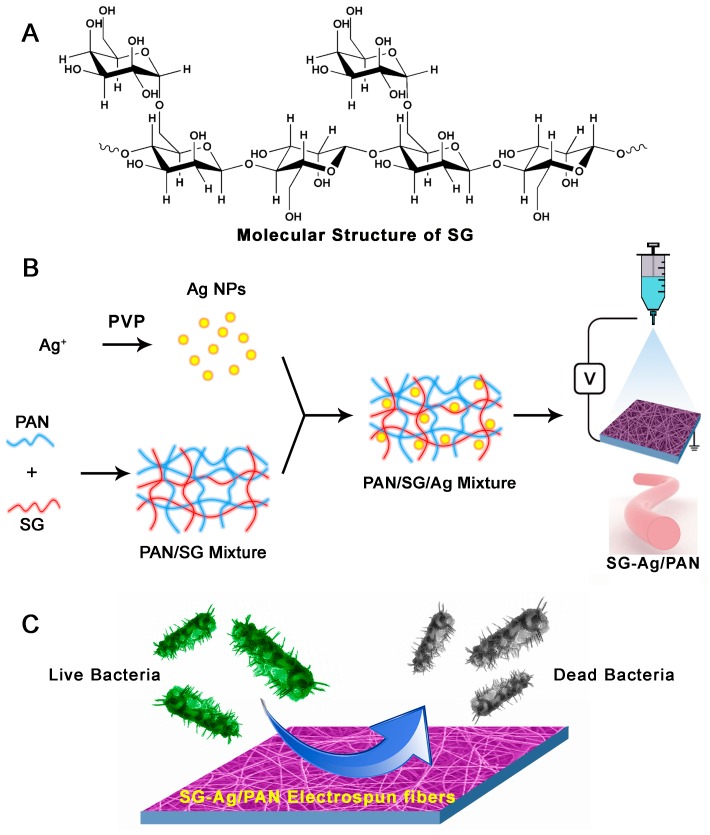
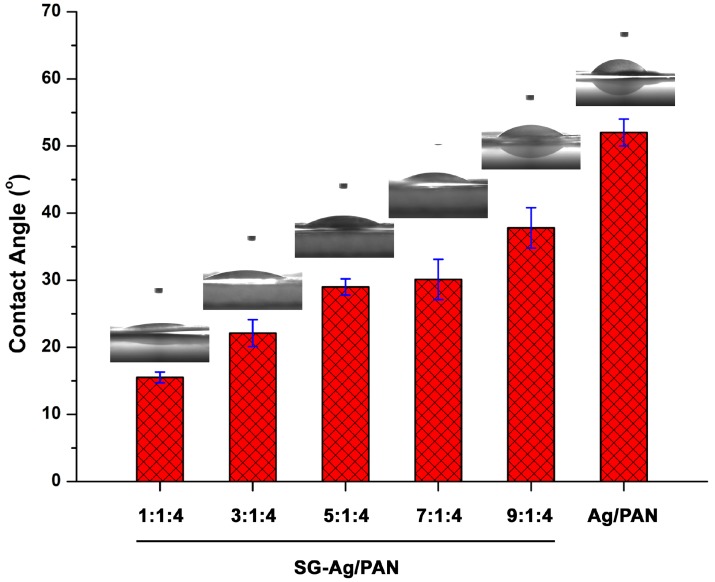
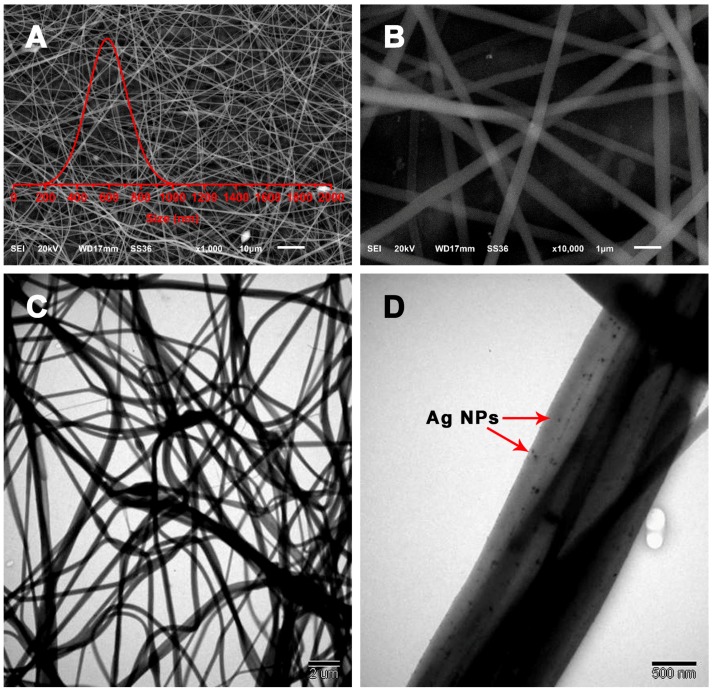
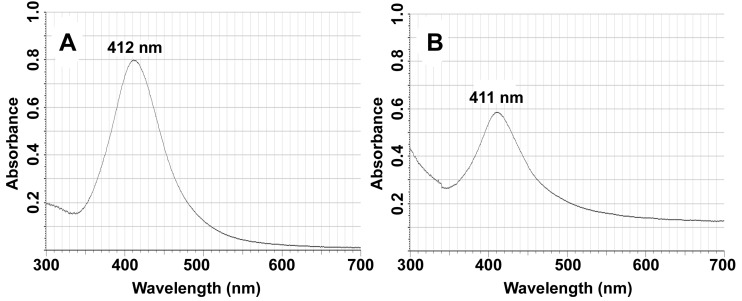
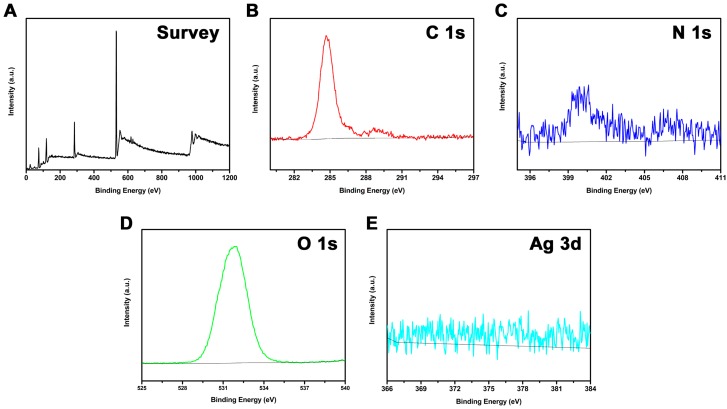
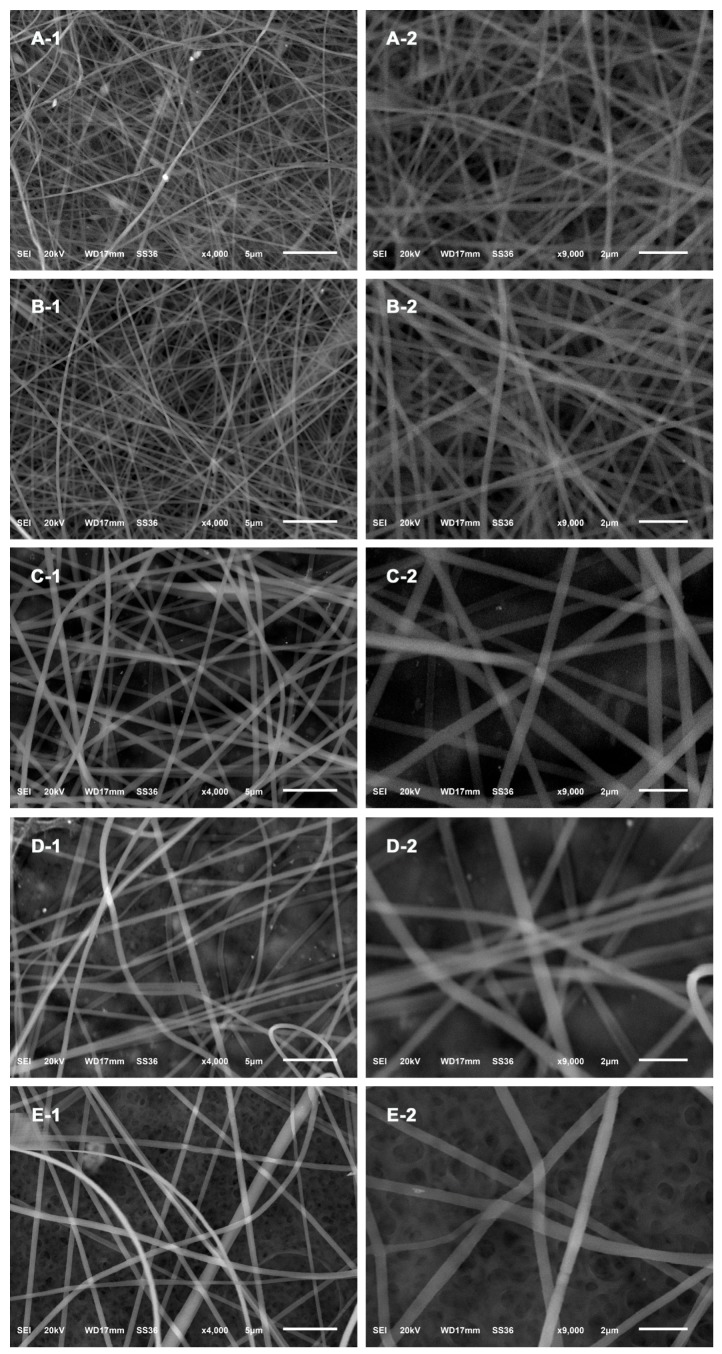
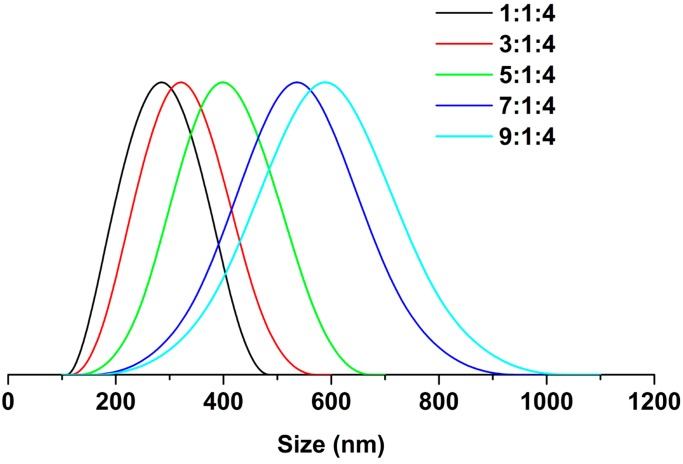
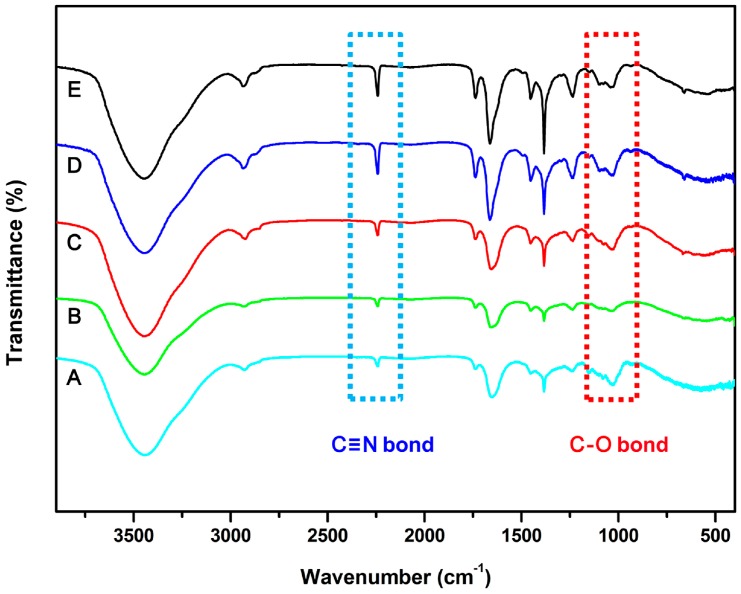
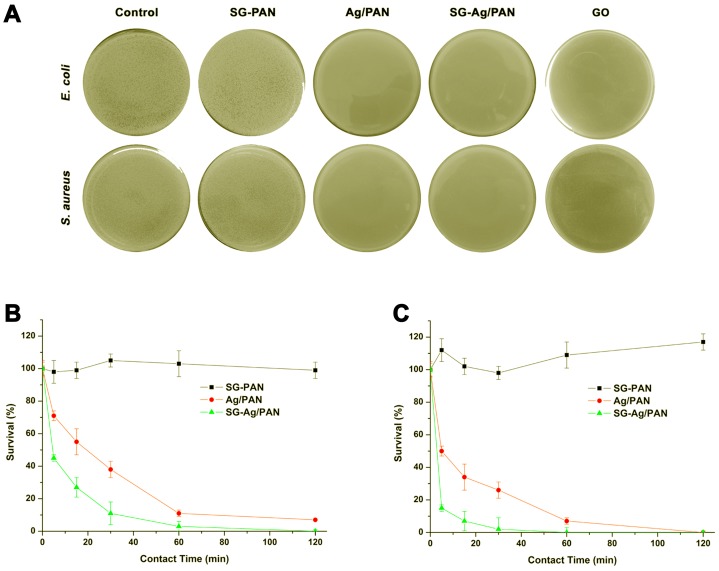
In this contribution, we report for the first time on a new strategy for developing sesbania gum-supported hydrophilic fibers containing nanosilver using electrospinning (SG-Ag/PAN electrospun fibers), which gives the fibers superior antibacterial activity. Employing a series of advanced technologies-scanning electron microscopy, transmission electron microscopy, Fourier transform infrared spectroscopy, UV-visible absorption spectroscopy, X-ray photoelectron spectroscopy, and contact angle testing-we characterized the as-synthesized SG-Ag/PAN electrospun fibers in terms of morphology, size, surface state, chemical composition, and hydrophilicity. By adjusting the synthesis conditions, in particular the feed ratio of sesbania gum (SG) and polyacrylonitrile (PAN) to Ag nanoparticles (NPs), we regulated the morphology and size of the as-electrospun fibers. The fibers' antibacterial properties were examined using the colony-counting method with two model bacteria: (a Gram-negative bacterium) and (a Gram-positive bacterium). Interestingly, compared to Ag/PAN and SG-PAN electrospun fibers, the final SG-Ag/PAN showed enhanced antibacterial activity towards both of the model bacteria due to the combination of antibacterial Ag NPs and hydrophilic SG, which enabled the fibers to have sufficient contact with the bacteria. We believe this strategy has great potential for applications in antibacterial-related fields.
在本论文中,我们首次报道了一种利用静电纺丝技术制备含纳米银的田菁胶负载亲水性纤维(SG-Ag/PAN 静电纺丝纤维)的新策略,该策略赋予了纤维优异的抗菌活性。我们采用了一系列先进技术——扫描电子显微镜、透射电子显微镜、傅里叶变换红外光谱、紫外可见吸收光谱、X 射线光电子能谱和接触角测试——从形态、尺寸、表面状态、化学成分和亲水性等方面对合成的 SG-Ag/PAN 静电纺丝纤维进行了表征。通过调整合成条件,特别是田菁胶(SG)、聚丙烯腈(PAN)与银纳米颗粒(NPs)的进料比,我们调控了静电纺丝纤维的形态和尺寸。使用菌落计数法,以两种模式细菌:(革兰氏阴性菌)和(革兰氏阳性菌)对纤维的抗菌性能进行了检测。有趣的是,与 Ag/PAN 和 SG-PAN 静电纺丝纤维相比,最终的 SG-Ag/PAN 对两种模式细菌均表现出增强的抗菌活性,这归因于抗菌性银纳米颗粒与亲水性田菁胶的结合,使得纤维能够与细菌充分接触。我们相信这种策略在抗菌相关领域具有巨大的应用潜力。