Onwudiwe Damian C
Material Science Innovation and Modelling (MaSIM) Research Focus Area, Faculty of Natural and Agricultural Sciences, North-West University, Mafikeng Campus, Private Bag X2046, Mmabatho 2735, South Africa.
Department of Chemistry, School of Physical and Chemical Sciences, Faculty of Natural and Agricultural Sciences, North-West University, Mafikeng Campus, Private Bag X2046, Mmabatho 2735, South Africa.
Heliyon. 2019 Mar 25;5(3):e01413. doi: 10.1016/j.heliyon.2019.e01413. eCollection 2019 Mar.
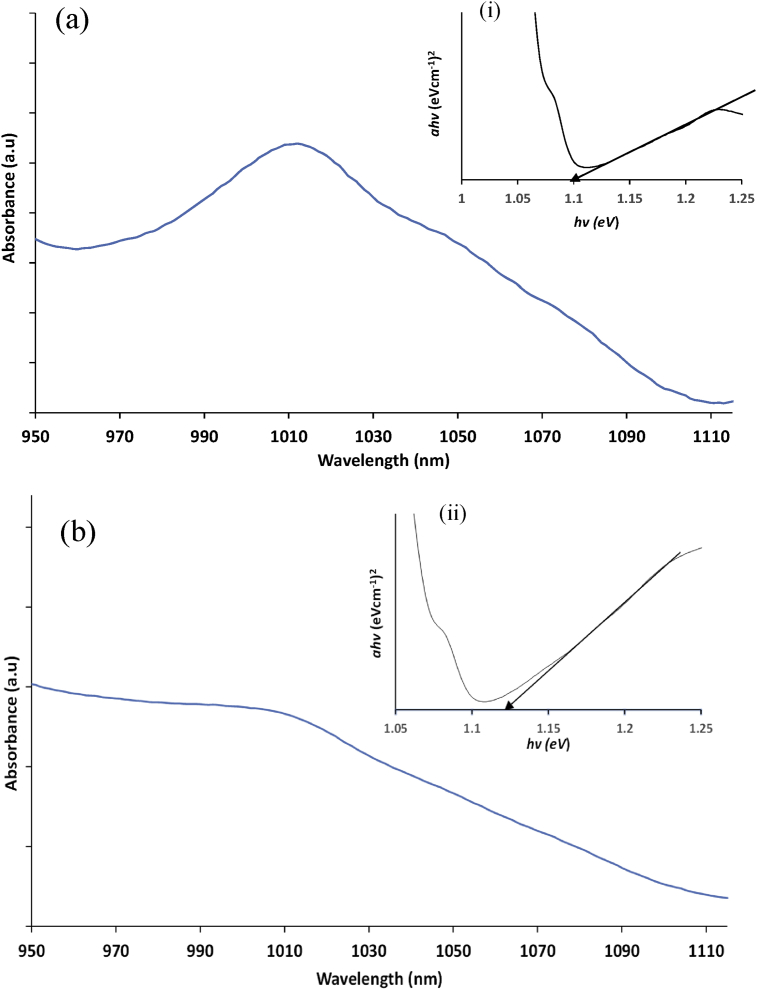
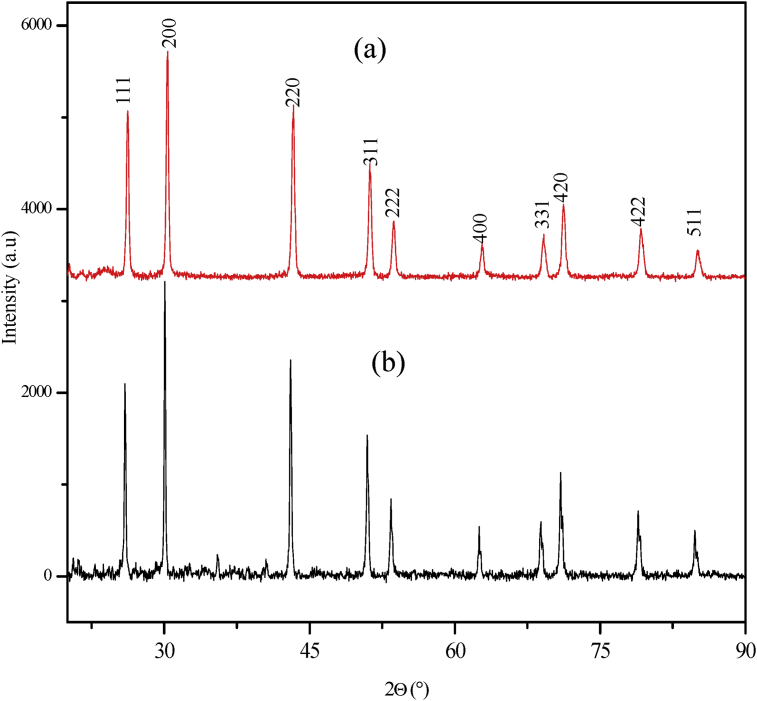
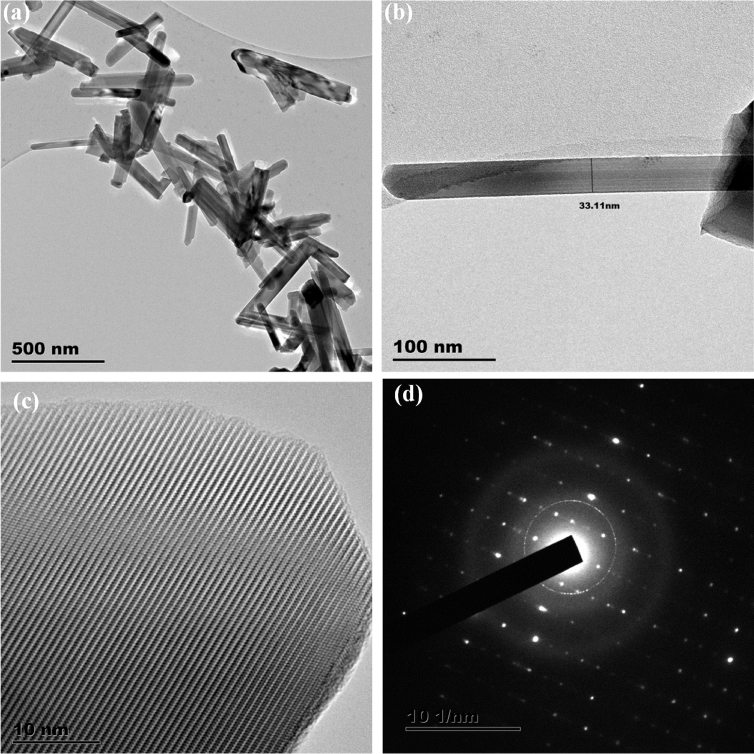
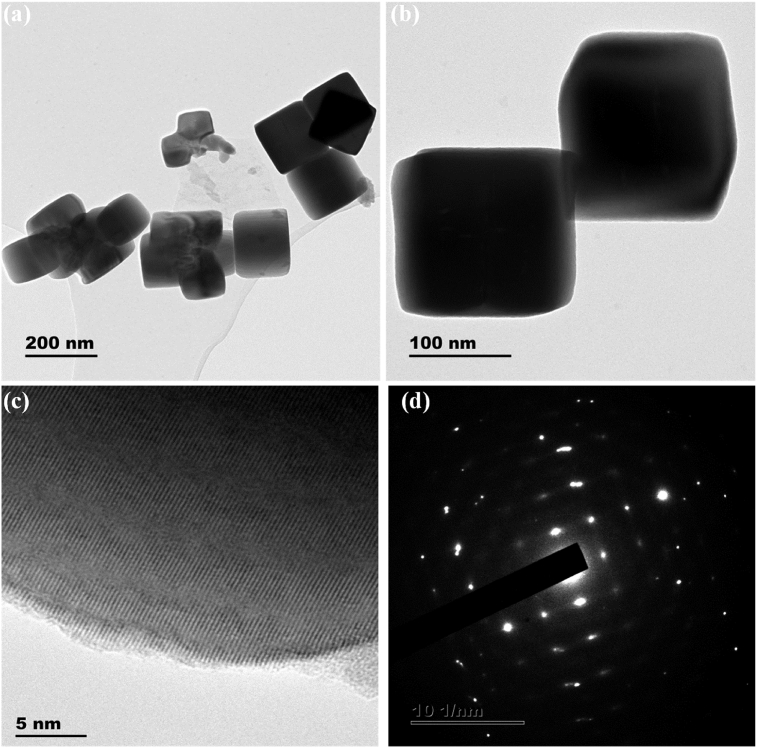
The synthesis of PbS nanostructures by microwave irradiation of single source precursor compounds in ethyleneglycol medium is reported. Pb(II) bis(-ethyl--phenyldithiocarbamate) and Pb(II) bis(-butyl--phenyldithiocarbamate) represented as complexes () and () respectively were utilised. The prepared PbS nanostructures were characterized using X-ray diffraction (XRD), Transmission electron microscopy (TEM), and absorption spectroscopy. The results showed that complex () can project the formation of nanorod with (111) basal plane, while () project the formation of nanocube with (001) basal plane. The formation of different morphologies in ethylene glycol may also be due to the selective binding to specific crystallite facets of the PbS through the hydroxyl groups of ethylene glycol. In the nanorod, the selective stabilization of the (111) face of PbS, resulted in anisotropic growth along the (100) face. The high resolution TEM images showed distinct lattice fringes which confirmed the crystallinity of the nanostructures. The band gap energies were obtained as 1.10 and 1.12 eV for the nanorods and nanocubes respectively, a significant blue shift from the bulk value (0.4 eV) which could be ascribed to quantum confinement effect. The result established the significant effect of the precursor type on the morphologies of the PbS.
报道了在乙二醇介质中通过微波辐照单源前驱体化合物合成硫化铅纳米结构。分别使用表示为配合物()和()的二(-乙基--苯基二硫代氨基甲酸酯)铅(II)和二(-丁基--苯基二硫代氨基甲酸酯)铅(II)。使用X射线衍射(XRD)、透射电子显微镜(TEM)和吸收光谱对制备的硫化铅纳米结构进行了表征。结果表明,配合物()能够促进具有(111)基面的纳米棒的形成,而()促进具有(001)基面的纳米立方体的形成。在乙二醇中形成不同形态也可能是由于乙二醇的羟基与硫化铅的特定微晶面选择性结合。在纳米棒中,硫化铅(111)面的选择性稳定导致沿(100)面的各向异性生长。高分辨率TEM图像显示出明显的晶格条纹,证实了纳米结构的结晶性。纳米棒和纳米立方体的带隙能量分别为1.10和1.12 eV,与体值(0.4 eV)相比有显著的蓝移,这可归因于量子限制效应。该结果证实了前驱体类型对硫化铅形态有显著影响。