Department of Respiratory and Critical Care Medicine, The First Affiliated Hospital of Nanjing Medical University, Nanjing, Jiangsu 210029, China.
Oxid Med Cell Longev. 2019 Mar 10;2019:4957646. doi: 10.1155/2019/4957646. eCollection 2019.
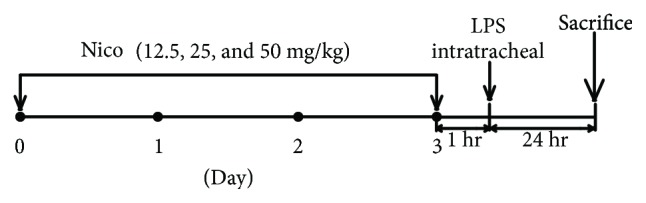
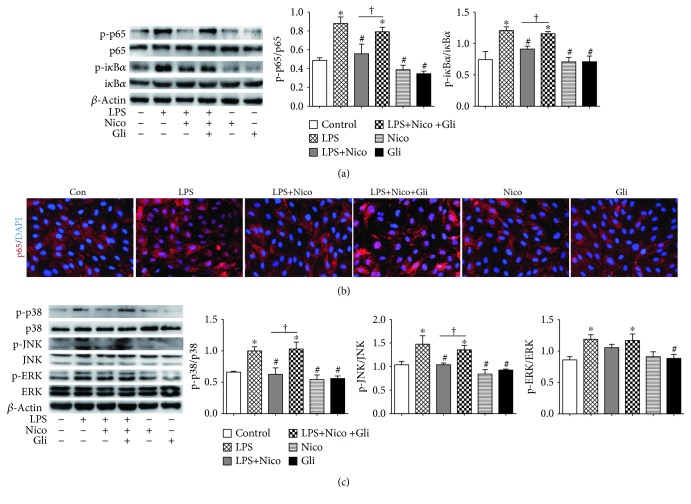
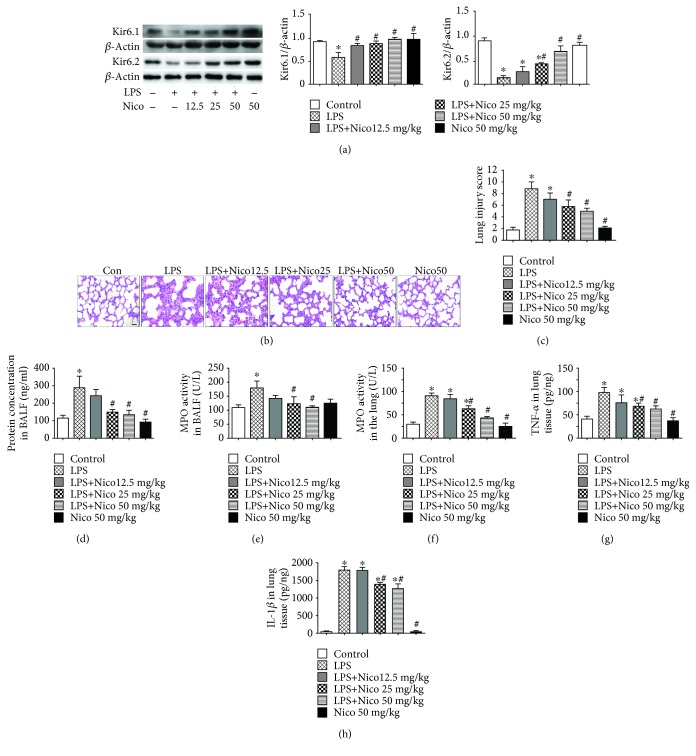
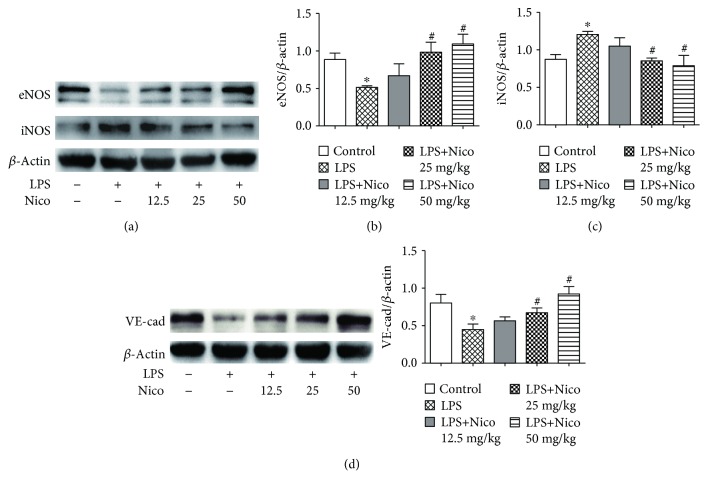
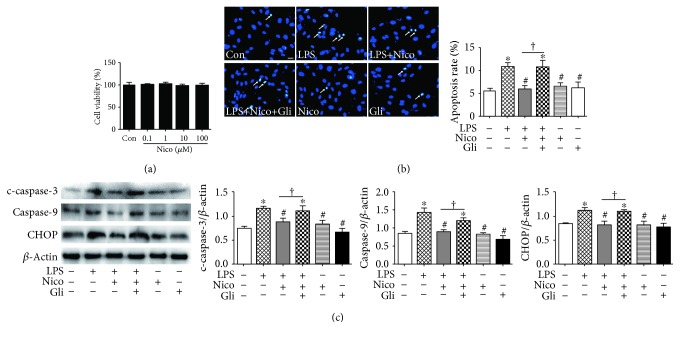
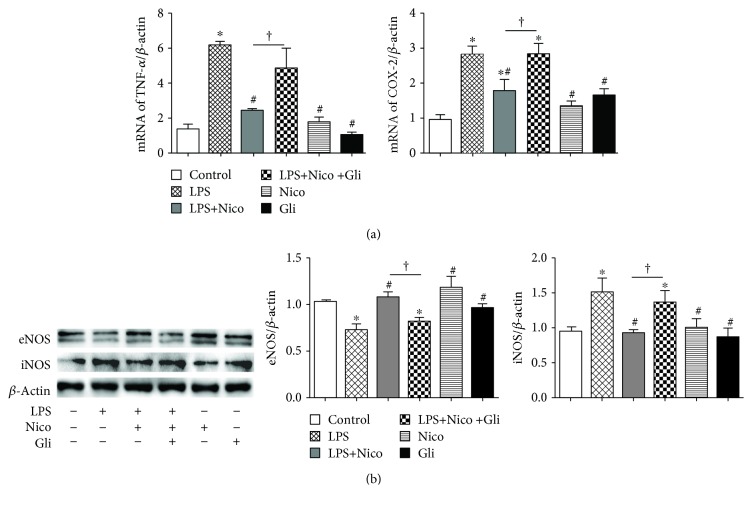
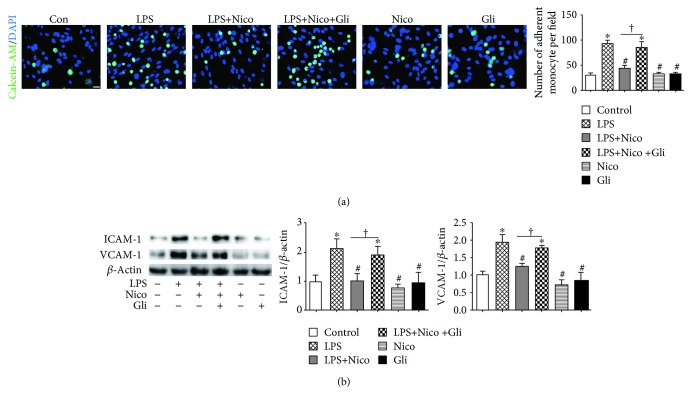
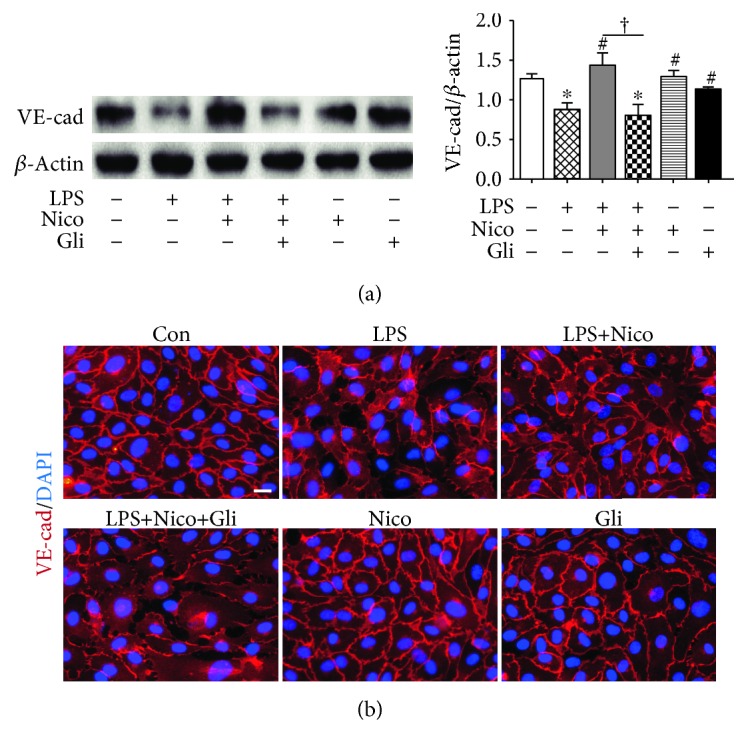
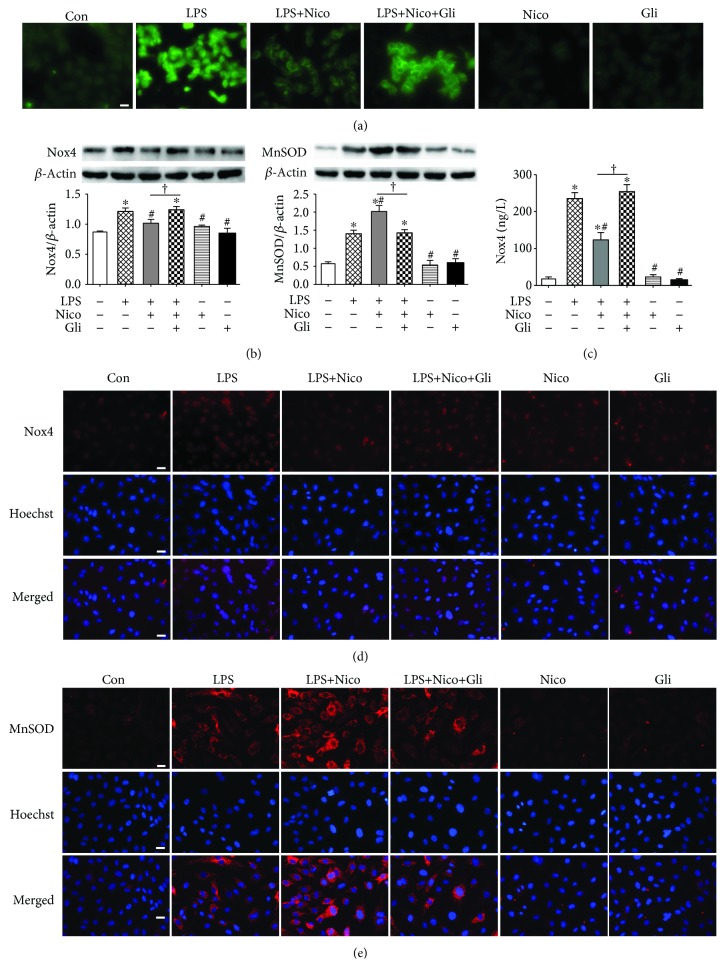
Acute lung injury (ALI) is a devastating critical disease characterized by diffuse inflammation and endothelial dysfunction. Increasing evidence, including from our laboratory, has revealed that the opening of ATP-sensitive potassium (K) channels has promising anti-inflammation and endothelial protection activities in various disorders. However, the impacts of K channels on ALI remain obscure. In this study, we used nicorandil (Nico), a classic K channel opener, to investigate whether opening of K channels could alleviate ALI with an emphasis on human pulmonary artery endothelial cell (HPAEC) modulation. The results showed that Nico inhibited lipopolysaccharide- (LPS-) induced inflammatory response, protein accumulation, myeloperoxidase activity, and endothelial injury. In vitro, Nico reduced LPS-induced HPAEC apoptosis and the expression of cleaved-caspase-3, caspase-9, and CCAAT/enhancer-binding protein homologous protein (CHOP). Additionally, Nico inhibited inflammation by suppressing monocyte-endothelial adhesion and decreasing the expression of proinflammatory proteins. Moreover, Nico restored the expression and the distribution of adherens junction vascular endothelial- (VE-) cadherin. Further, Nico abolished the increase in intracellular reactive oxygen species (ROS) and the activation of NF-B and mitogen-activated protein kinase (MAPK) in HPAECs. Glibenclamide (Gli), a nonselective K channel blocker, abrogated the effects of Nico, implying that opening of K channels contributes to the relief of ALI. Together, our findings indicated that Nico alleviated LPS-induced ALI by protecting ECs function via preventing apoptosis, suppressing endothelial inflammation and reducing oxidative stress, which may be attributed to the inhibition of NF-B and MAPK signaling pathways.
急性肺损伤 (ALI) 是一种具有弥漫性炎症和血管内皮功能障碍特征的破坏性危重病。越来越多的证据,包括我们实验室的证据,表明 ATP 敏感性钾 (K) 通道的开放在各种疾病中具有有前景的抗炎和内皮保护作用。然而,K 通道对 ALI 的影响仍不清楚。在这项研究中,我们使用尼克酸(Nico),一种经典的 K 通道开放剂,研究 K 通道的开放是否可以缓解 ALI,并特别强调对人肺动脉内皮细胞 (HPAEC) 的调节。结果表明,Nico 抑制脂多糖-(LPS-)诱导的炎症反应、蛋白积累、髓过氧化物酶活性和内皮损伤。在体外,Nico 减少 LPS 诱导的 HPAEC 凋亡和裂解型 caspase-3、caspase-9 和 CCAAT/增强子结合蛋白同源蛋白 (CHOP) 的表达。此外,Nico 通过抑制单核细胞-内皮细胞黏附和降低促炎蛋白的表达来抑制炎症。此外,Nico 恢复了黏附连接血管内皮-(VE-)钙黏蛋白的表达和分布。此外,Nico 消除了 LPS 诱导的 HPAEC 中细胞内活性氧物种 (ROS) 的增加和 NF-B 和丝裂原活化蛋白激酶 (MAPK) 的激活。格列本脲(Gli),一种非选择性 K 通道阻断剂,废除了 Nico 的作用,表明 K 通道的开放有助于缓解 ALI。总之,我们的研究结果表明,Nico 通过防止细胞凋亡、抑制内皮炎症和减少氧化应激来缓解 LPS 诱导的 ALI,从而保护内皮细胞功能,这可能归因于抑制 NF-B 和 MAPK 信号通路。