Department of Stem Cell and Regenerative Biotechnology, Konkuk University, 1 Hwayang-Dong, Gwangin-gu, Seoul 05029, Korea.
Cells. 2019 Apr 3;8(4):307. doi: 10.3390/cells8040307.
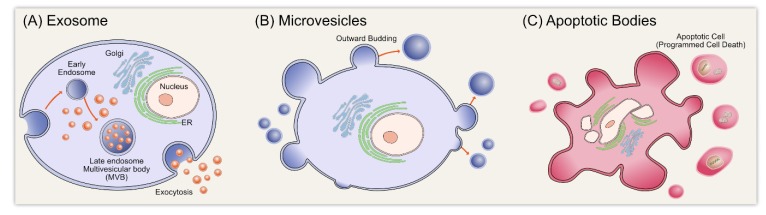
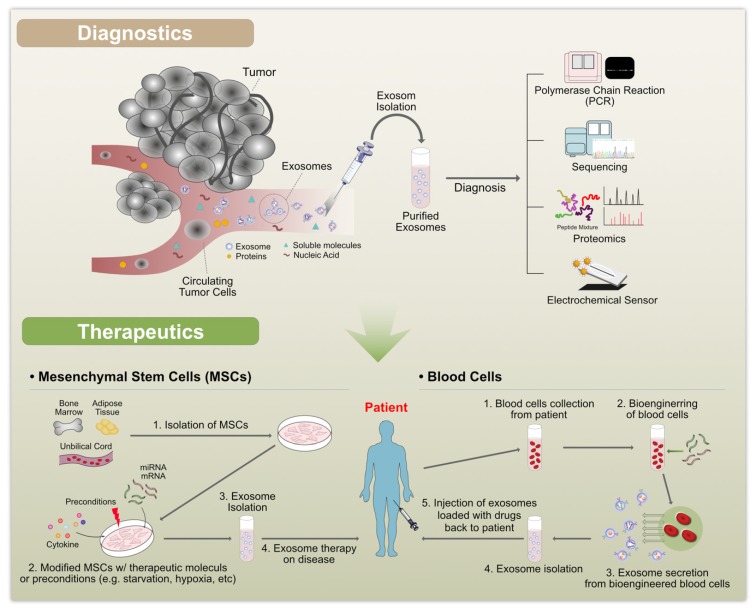
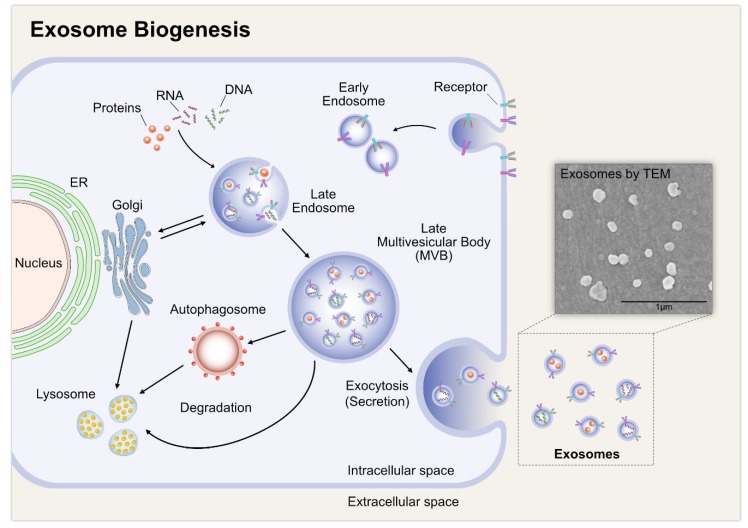
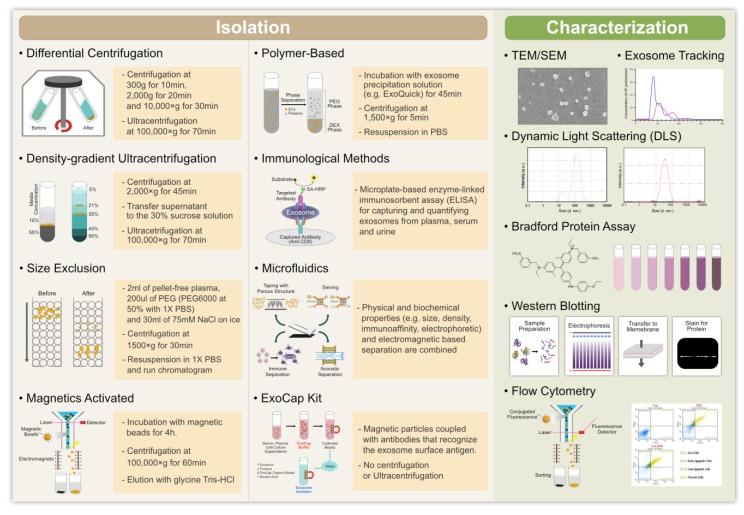
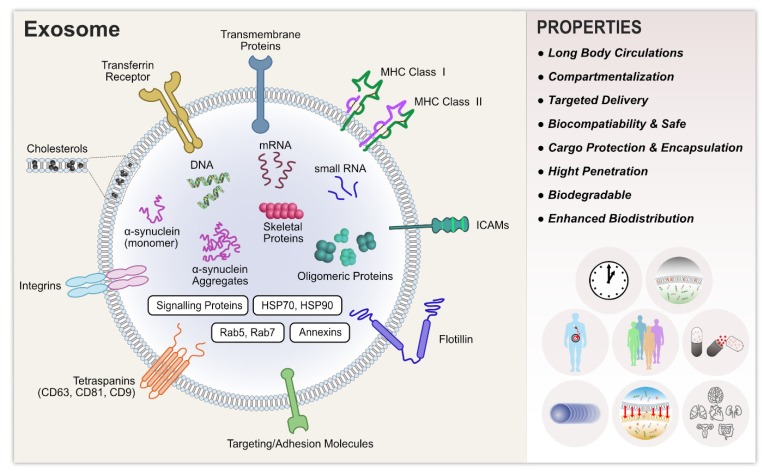
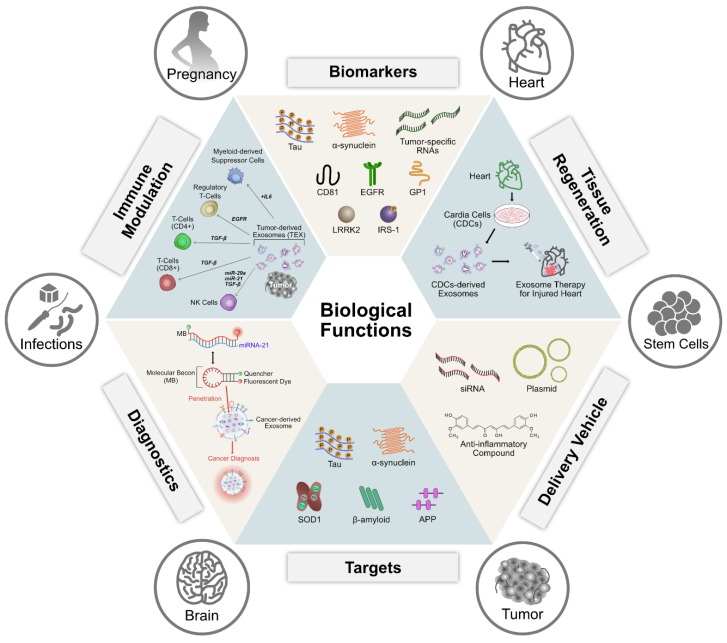
Exosomes are extracellular vesicles that contain a specific composition of proteins, lipids, RNA, and DNA. They are derived from endocytic membranes and can transfer signals to recipient cells, thus mediating a novel mechanism of cell-to-cell communication. They are also thought to be involved in cellular waste disposal. Exosomes play significant roles in various biological functions, including the transfer of biomolecules such as RNA, proteins, enzymes, and lipids and the regulation of numerous physiological and pathological processes in various diseases. Because of these properties, they are considered to be promising biomarkers for the diagnosis and prognosis of various diseases and may contribute to the development of minimally invasive diagnostics and next generation therapies. The biocompatible nature of exosomes could enhance the stability and efficacy of imaging probes and therapeutics. Due to their potential use in clinical applications, exosomes have attracted much research attention on their roles in health and disease. To explore the use of exosomes in the biomedical arena, it is essential that the basic molecular mechanisms behind the transport and function of these vesicles are well-understood. Herein, we discuss the history, biogenesis, release, isolation, characterization, and biological functions of exosomes, as well as the factors influencing their biogenesis and their technical and biological challenges. We conclude this review with a discussion on the future perspectives of exosomes.
外泌体是一种包含特定蛋白质、脂质、RNA 和 DNA 组成的细胞外囊泡。它们来源于内体膜,可以将信号传递给受体细胞,从而介导细胞间通讯的新机制。它们也被认为参与细胞废物处理。外泌体在各种生物学功能中发挥着重要作用,包括生物分子如 RNA、蛋白质、酶和脂质的转移,以及在各种疾病中调节许多生理和病理过程。由于这些特性,它们被认为是各种疾病诊断和预后的有前途的生物标志物,并可能有助于开发微创诊断和下一代治疗方法。外泌体的生物相容性可以增强成像探针和治疗剂的稳定性和疗效。由于它们在临床应用中的潜在用途,外泌体在健康和疾病中的作用引起了广泛的研究关注。为了探索外泌体在生物医学领域的应用,必须充分了解这些囊泡的运输和功能背后的基本分子机制。本文讨论了外泌体的历史、生物发生、释放、分离、表征和生物学功能,以及影响其生物发生的因素及其技术和生物学挑战。最后,我们讨论了外泌体的未来展望。