1Department of Microbiology, Faculty of Medicine, Hamadan University of Medical Sciences, Shahid fahmideh street, Park Mardome, Hamadan, IR Iran.
2Department of Clinical Biochemistry, Faculty of Medicine, Hamadan University of Medical Sciences, Shahid fahmideh street, Park Mardome, Hamadan, IR Iran.
Antimicrob Resist Infect Control. 2019 Apr 3;8:62. doi: 10.1186/s13756-019-0504-8. eCollection 2019.
Brucellosis is a zoonotic disease caused by species. It has been estimated that more than 500,000 new cases of Brucellosis occur annually all around the world. Relapse of the disease is one of the most important challenges. The most important reason for the relapse of brucellosis is the survival of the bacteria inside the macrophages, which makes them safe from the immune system and disrupts drug delivery mechanism.
The present study was performed to assess the effects of Doxycycline-loaded Solid Lipid Nanoparticles (DOX-SLN) on the inside macrophages.
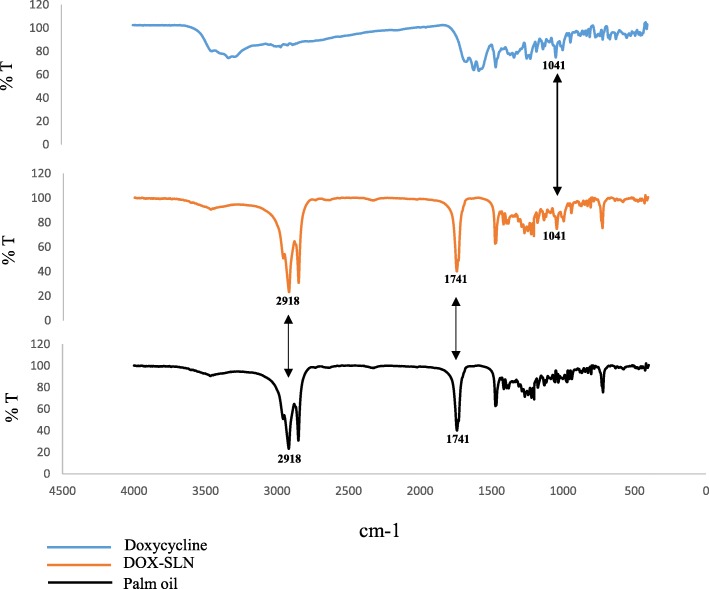
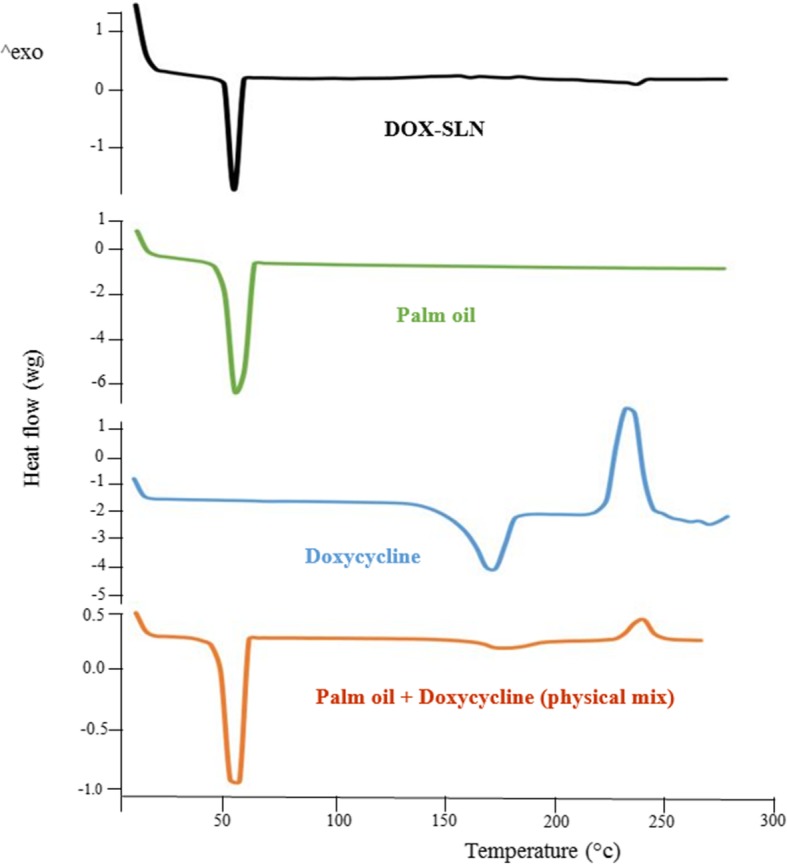
DOX-SLN was prepared using double emulsion method. The technological characterization of DOX-SLN, including particle size, zeta potential, polydispersity index (PDI), drug loading and encapsulation efficiency were used. Fourier-transform infrared spectroscopy (FTIR) and Differential scanning calorimetry (DSC) were used to assess the interactions between Nanoparticles (NPs) components and crystalline form of doxycycline. Moreover, the effect of DOX-SLN on the bacteria were compared with that of the doxycycline using various methods, including well diffusion, Minimum Inhibitory Concentration (MIC), and investigation of their effects on murine macrophage-like cells cell line J774A.1.
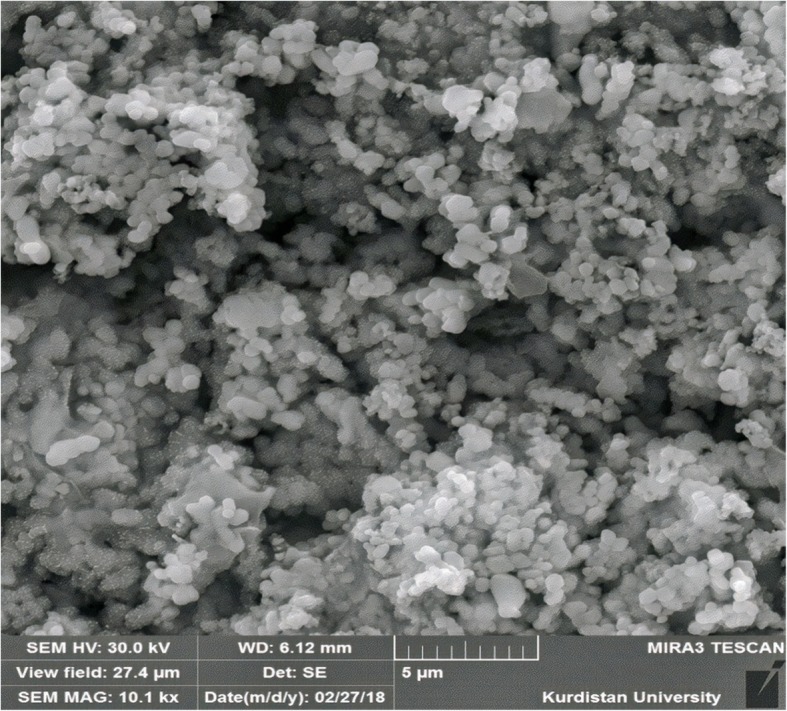
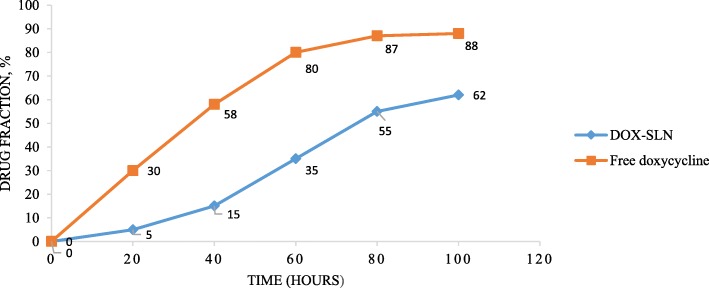
The means of particle size, zeta potential, PDI, drug loading and encapsulation efficiency were 299 ± 34 nm, - 28.7 ± 3.2 mV, 0.29 ± 0.027, 11.2 ± 1.3%, and 94.9 ± 3.2%, respectively. The morphology of NPs were spherical with a smooth surface. No chemical reaction was occurred between the components. Doxycycline was located within NP matrix in its molecular form. The DOX-SLN significantly decreased the microbial loading within macrophages (3.5 Log) in comparison with the free doxycycline.
Since the DOX-SLN showed better effects on enclosed in macrophages than the free doxycycline, it is recommended to use it for treating brucellosis and preventing relapse.
布鲁氏菌病是一种由 种引起的人畜共患疾病。据估计,全世界每年有超过 50 万例新的布鲁氏菌病病例。疾病的复发是最重要的挑战之一。布鲁氏菌病复发的最重要原因是细菌在巨噬细胞内存活,使它们免受免疫系统的影响,并破坏药物输送机制。
本研究旨在评估多西环素负载固体脂质纳米粒(DOX-SLN)对巨噬细胞内 的影响。
采用双乳液法制备 DOX-SLN。采用粒径、zeta 电位、多分散指数(PDI)、载药量和包封效率等技术对 DOX-SLN 进行了表征。傅里叶变换红外光谱(FTIR)和差示扫描量热法(DSC)用于评估纳米粒(NPs)成分与多西环素结晶形式之间的相互作用。此外,还通过各种方法比较了 DOX-SLN 与多西环素对 的作用,包括孔扩散法、最小抑菌浓度(MIC)以及对 J774A.1 鼠巨噬细胞样细胞系的影响。
平均粒径、zeta 电位、PDI、载药量和包封效率分别为 299±34nm、-28.7±3.2mV、0.29±0.027、11.2±1.3%和 94.9±3.2%。NPs 的形态为球形,表面光滑。各成分之间未发生化学反应。多西环素以分子形式存在于 NP 基质中。与游离多西环素相比,DOX-SLN 显著降低了巨噬细胞内的微生物负荷(3.5Log)。
由于 DOX-SLN 对巨噬细胞内 的作用优于游离多西环素,因此建议将其用于治疗布鲁氏菌病和预防复发。